
Blog
The Science Behind Bone Growth Plates: Everything You Need to Know
Th7
Have you ever wondered why children grow taller every year but adults generally don’t? The answer lies in a remarkable part of the human skeleton known as bone growth plates, also called epiphyseal plates. These specialized areas are responsible for almost all of the height growth that occurs during childhood and adolescence.
Understanding how growth plates work can help explain why height changes over time, what influences final adult height, and why maintaining healthy bones remains important throughout life. In this guide, we’ll explore the science behind bone growth plates and separate common myths from medical facts.
What Are Bone Growth Plates?
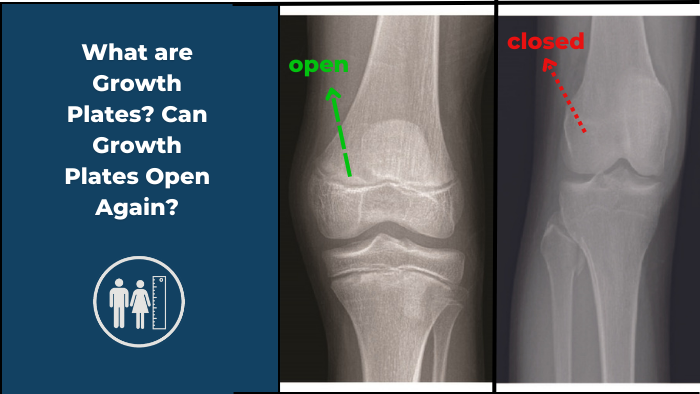
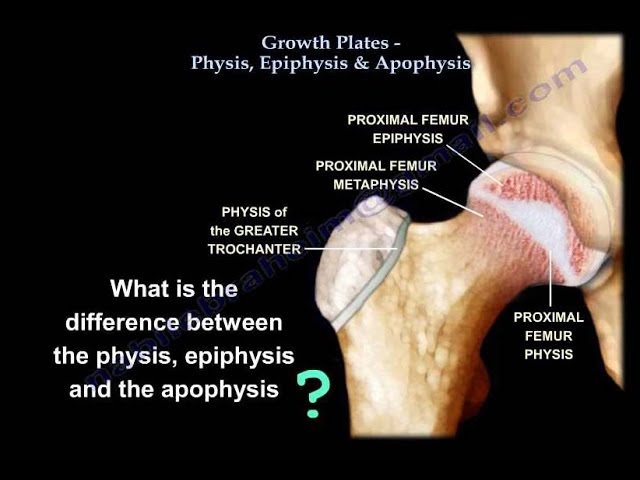
Bone growth plates are thin layers of cartilage located near the ends of long bones.
Unlike hard bone tissue, cartilage is flexible and capable of producing new cells. During childhood, these plates continuously create new cartilage, which is gradually replaced by bone tissue.
As this process repeats over many years, bones become longer, allowing children and teenagers to grow taller.
Growth plates are found in many long bones, including:
- Femur (thigh bone)
- Tibia (shin bone)
- Fibula
- Humerus (upper arm)
- Radius
- Ulna
These bones contribute significantly to overall height.
How Do Growth Plates Work?
Growth plates function like natural construction zones.
The process happens in several stages:
Step 1: New Cartilage Cells Form
Specialized cartilage cells called chondrocytes multiply inside the growth plate.
These cells continuously divide and expand.
Step 2: Cartilage Expands
The newly formed cartilage pushes the ends of the bone farther apart.
This gradually increases the bone’s length.
Step 3: Cartilage Becomes Bone
As the cartilage matures, minerals such as calcium are deposited.
The cartilage is slowly replaced with strong bone tissue through a process called ossification.
Step 4: Continuous Growth
This cycle repeats thousands of times throughout childhood and adolescence, resulting in steady height increases.
Read more: Genetics vs. Nutrition: Which Matters More for Height?
What Controls Growth Plate Activity?
Several biological systems regulate how quickly growth plates produce new bone.
Genetics
Genes determine much of your growth potential.
They influence:
- Bone size
- Growth plate activity
- Hormone sensitivity
- Growth timing
Although genetics plays the largest role, environmental factors also matter.
Growth Hormone
The pituitary gland releases growth hormone (GH).
Growth hormone stimulates the production of insulin-like growth factor 1 (IGF-1), which directly encourages cartilage cells inside growth plates to multiply.
This process supports normal bone growth during childhood.
Nutrition
Growing bones require many nutrients.
Important nutrients include:
- Calcium
- Vitamin D
- Protein
- Magnesium
- Phosphorus
- Vitamin K2
Without adequate nutrition, healthy bone development may be compromised.
Sleep
Most growth hormone is released during deep sleep.
Children and teenagers who get enough sleep give their bodies the opportunity to support healthy growth and development.
When Do Growth Plates Close?
Growth plates do not remain active forever.
During puberty, increasing levels of sex hormones trigger rapid growth.
Eventually, these same hormones cause growth plates to mature and fuse.
Typical closure ages include:
Girls
- Growth plates usually close between 14 and 16 years old.
Boys
- Growth plates usually close between 16 and 18 years old.
Some individuals may continue growing slightly into their early twenties, but this is less common.
What Happens When Growth Plates Close?
Once growth plates fuse, they become solid bone.
At this stage:
- Bones can no longer grow longer.
- Natural height growth ends.
- Adult height is reached.
Importantly, the bones themselves remain healthy, living tissue that continues to remodel throughout life.
Can Growth Plates Reopen?
No.
One of the biggest myths online is that special supplements, stretching routines, or exercises can reopen closed growth plates.
Current scientific evidence does not support this claim.
Once growth plates have completely fused, they do not reopen naturally.
Can Doctors See Growth Plates?
Yes.
Doctors commonly use X-rays to evaluate growth plates.
These images help determine:
- Whether growth is still occurring
- Skeletal maturity
- Estimated remaining growth potential
- Certain bone injuries in children
Growth plate imaging is often performed when evaluating delayed or unusually rapid growth.
Can Growth Plates Be Injured?
Yes.
Because growth plates are softer than mature bone, they are more vulnerable to injury.
Common causes include:
- Falls
- Sports injuries
- Accidents
Prompt medical treatment is important because untreated growth plate injuries may affect normal bone development.
Fortunately, most children recover well with appropriate care.
Why Bone Health Still Matters After Growth Ends
Even after growth plates close, bones continue to change throughout life.
The body constantly removes old bone tissue and replaces it with new bone through a process called bone remodeling.
Maintaining healthy bones becomes increasingly important after age 30, when bone density naturally begins to decline.
Healthy bones support:
- Mobility
- Balance
- Physical activity
- Independence
- Healthy aging
Nutrients That Support Healthy Bones
Although no nutrient can reopen growth plates, several nutrients help maintain strong bones throughout life.
Calcium
Calcium is the most abundant mineral in bones and supports normal bone structure.
Vitamin D
Vitamin D improves calcium absorption and helps maintain healthy blood calcium levels.
Vitamin K2
Vitamin K2 plays an important role in normal bone metabolism by supporting the proper use of calcium.
Protein
Protein helps maintain both bone and muscle health.
Magnesium
Magnesium contributes to normal bone mineralization and supports overall skeletal function.
Healthy Habits for Lifelong Bone Strength
Whether you’re still growing or already an adult, healthy daily habits make a difference.
Consider these simple practices:
- Eat a balanced diet rich in bone-supporting nutrients.
- Stay physically active.
- Perform weight-bearing exercise regularly.
- Get enough sleep.
- Spend time outdoors for natural vitamin D production.
- Avoid smoking.
- Limit excessive alcohol consumption.
- Maintain a healthy body weight.
These habits help support normal bone health throughout every stage of life.
Supporting Bone Health with Hito Calcium
For adults who may not meet their daily calcium needs through diet alone, a quality calcium supplement can help support overall bone health.
Hito Calcium is formulated with key nutrients that contribute to the maintenance of normal bones. Combined with a healthy lifestyle, it can be part of a long-term bone wellness routine.
It’s important to remember that Hito Calcium is designed to support healthy bones—not to reopen growth plates or permanently increase adult height.
Common Myths About Growth Plates
Myth 1: Adults Can Reopen Growth Plates
There is no scientific evidence that closed growth plates can naturally reopen.
Myth 2: Stretching Makes Bones Longer
Stretching improves flexibility and posture but does not lengthen bones.
Myth 3: Calcium Alone Makes You Taller
Calcium supports healthy bones but cannot increase height after growth plates have closed.
Myth 4: Bone Growth Stops Completely After Puberty
Although bones stop becoming longer, they continue to remodel and remain living tissue throughout life.
Read more: What Age Do Humans Stop Growing?
Final Thoughts
Bone growth plates are one of the most fascinating parts of the human body. They allow children and teenagers to grow taller by producing new bone tissue over many years.
Once these growth plates close, natural height growth ends. While adults cannot increase bone length naturally, maintaining strong bones through proper nutrition, regular exercise, and healthy lifestyle habits remains essential for lifelong mobility and overall well-being.
Understanding how growth plates work helps separate scientific facts from common myths and highlights the importance of caring for your bones at every stage of life.
Frequently Asked Questions
What are growth plates?
Growth plates are areas of cartilage located near the ends of long bones where new bone tissue forms during childhood and adolescence.
At what age do growth plates close?
Growth plates typically close between ages 14–16 in girls and 16–18 in boys, although individual timing varies.
Can adults reopen growth plates?
No. Once growth plates have fully fused into bone, they do not naturally reopen.
Does calcium keep growth plates open?
No. Calcium supports healthy bone development but does not affect whether growth plates remain open or closed.
Why is bone health important after growth stops?
Healthy bones support mobility, posture, and quality of life. Maintaining adequate calcium intake, vitamin D levels, and regular physical activity helps preserve bone strength throughout adulthood.
