
Blog
Weight-Bearing Exercise: Why Impact Activities Build Stronger Bones
Th10
Most people know that exercise is good for the heart, muscles, and mood. Fewer realize that the right kind of exercise is also one of the most powerful tools for building and maintaining strong bones. Bone is living tissue that responds to the demands placed on it. When you load your skeleton through movement, it adapts by becoming denser and stronger. When it is rarely challenged, it gradually loses strength.
This is why weight-bearing and impact exercises are consistently recommended for bone health at every age. In this article, we explain how they work, which activities are most effective, and how to include them safely in your routine.
How Exercise Strengthens Bone
Bone cells can sense mechanical forces. When you walk, run, jump, or lift weights, your bones experience small amounts of strain. Specialized cells called osteocytes detect this strain and send signals that encourage osteoblasts, the bone-building cells, to lay down new bone tissue. At the same time, mechanical loading can help limit excessive bone breakdown.
This principle, often described as Wolff’s law, means that bones adapt their structure to the loads they regularly experience. A well-known example is tennis players, who often have noticeably denser bones in their playing arm than in their non-playing arm.
Read more: Bone Remodeling Explained: How Your Body Builds and Maintains Strong Bones
What Is Weight-Bearing Exercise?
Weight-bearing exercise is any activity in which you support your body weight against gravity while on your feet. It is commonly divided into two categories:
High-impact weight-bearing activities
- Running and jogging
- Jumping rope
- Basketball, volleyball, and tennis
- Dancing and aerobics with jumps
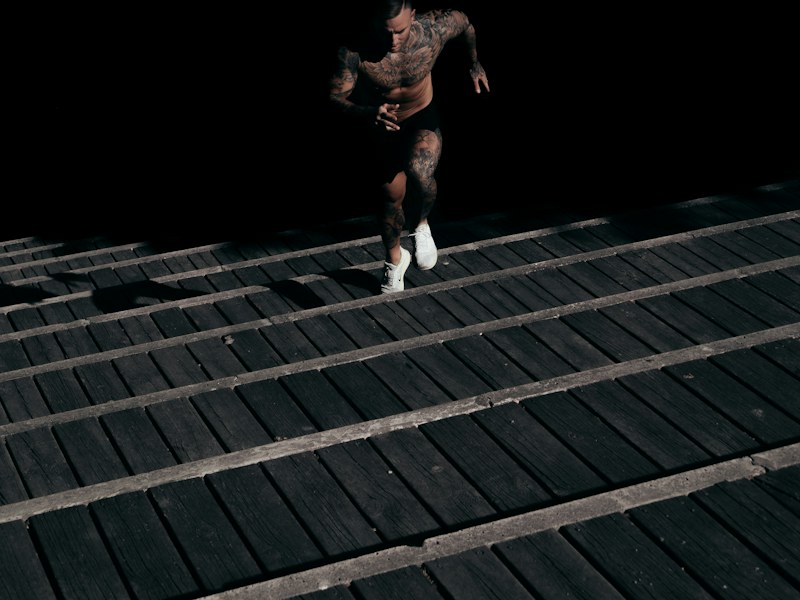
- Stair running and hiking on steep terrain
Low-impact weight-bearing activities
- Brisk walking
- Elliptical training
- Low-impact aerobics
- Stair climbing at a moderate pace
High-impact activities generally produce greater bone-building signals, but low-impact options are safer for people with existing bone loss, joint issues, or limited fitness.
Why Impact Matters
Bones respond best to loads that are relatively strong, applied quickly, and varied in direction. Activities with jumps and quick changes of direction create these types of forces. Research in children and adolescents shows that impact-based programs, such as regular jumping exercises, can improve bone mineral accrual during growth.
Interestingly, bones appear to respond well to short bursts of loading rather than long, repetitive sessions. A few minutes of varied jumping may provide more bone stimulus than a long, steady walk, though both have value for overall health.
Non-Weight-Bearing Exercise: Still Valuable
Swimming and cycling are excellent for cardiovascular fitness, joint health, and muscle endurance. However, because the water or the bike supports much of your body weight, these activities provide relatively little stimulus for bone. Athletes who focus mainly on these sports may benefit from adding weight-bearing or resistance training.
Read more: Does Swimming Make You Taller? Interesting Facts You Need to Know

The Role of Resistance Training
Muscle-strengthening exercise is another key component of a bone-healthy routine. When muscles pull on bones, they create forces that stimulate bone formation. Resistance training includes:
- Lifting free weights or using machines
- Bodyweight exercises such as squats, lunges, and push-ups
- Resistance bands
- Carrying heavy objects with good technique
Stronger muscles also improve balance and coordination, reducing the risk of falls, which is one of the main causes of fractures in older adults.
Exercise for Bone Health at Different Ages
Children and teenagers
Childhood and adolescence are the most important time to build bone. Active play, running games, jumping, and sports help maximize peak bone mass. Health guidelines suggest at least 60 minutes of activity daily, with bone-strengthening activities on at least three days per week.
Adults
For adults, regular weight-bearing exercise helps maintain bone density. Combining aerobic activity with muscle-strengthening exercise at least twice a week supports both bone and overall health.
Older adults
Exercise can slow bone loss and improve balance. Walking, gentle impact exercise if appropriate, resistance training, and balance work such as tai chi are valuable. People with osteoporosis should seek professional guidance to avoid movements that place excessive stress on the spine.
Read more: Peak Bone Mass: Why Your Early Years Matter for Lifelong Bone Health

A Simple Weekly Bone-Building Plan
| Day | Activity |
|---|---|
| Monday | 30-minute brisk walk plus 5 minutes of jumping or skipping |
| Tuesday | Full-body resistance training (squats, lunges, push-ups, rows) |
| Wednesday | Recreational sport such as basketball, tennis, or dance |
| Thursday | Hiking or stair climbing |
| Friday | Resistance training plus balance exercises |
| Weekend | Active family outing, jogging, or a long walk |
Adjust intensity to your age, fitness level, and medical conditions. Start gradually and progress over time.
Nutrition: The Other Half of the Equation
Exercise sends the signal to build bone, but the body needs raw materials to respond. Adequate calcium, vitamin D, protein, magnesium, and vitamin K2 all support the bone-building process. Exercise and nutrition work best together; neither can fully compensate for the absence of the other.
Safety Tips
- Warm up before high-impact or strength sessions.
- Wear supportive footwear suited to the activity.
- Learn proper technique for lifting, ideally with professional guidance.
- Increase intensity gradually to avoid overuse injuries.
- Consult a healthcare provider before starting impact exercise if you have osteoporosis, joint problems, or other medical conditions.
Conclusion
Bones become stronger when they are challenged. Weight-bearing and impact exercises such as running, jumping, dancing, and team sports, combined with resistance training, provide the mechanical signals that help build and maintain bone density. Starting these habits early maximizes peak bone mass, while continuing them throughout life helps slow bone loss and reduce fracture risk. Pair an active lifestyle with good nutrition, and you give your skeleton the best possible support for the years ahead.
This article is for informational purposes and does not replace advice from a doctor or qualified exercise professional.
