
Blog
Sunlight and Vitamin D: How to Get Enough Safely for Strong Bones

Th10
Vitamin D is often called the “sunshine vitamin,” and for good reason. Unlike most nutrients, which come primarily from food, vitamin D can be produced by your own skin when it is exposed to ultraviolet B (UVB) rays from sunlight. This vitamin is essential for absorbing calcium and building strong bones, yet vitamin D insufficiency remains common worldwide.
At the same time, too much sun exposure increases the risk of sunburn, premature skin aging, and skin cancer. So how can you get enough vitamin D without harming your skin? This article explains how sunlight produces vitamin D, what factors affect it, and practical ways to maintain healthy levels safely.
Why Vitamin D Matters for Bones
Without enough vitamin D, the body can absorb only a small fraction of the calcium you consume. Vitamin D helps the intestine absorb calcium and phosphorus and supports the mineralization of bone. In children, severe deficiency can cause rickets, a condition that leads to soft, deformed bones. In adults, it can cause osteomalacia and contribute to osteoporosis.
Vitamin D also plays roles in muscle function, immune health, and many other body processes, making it important well beyond the skeleton.
Read more: Vitamin D3 and Calcium: Why Do They Work Better Together?
How Your Skin Makes Vitamin D
When UVB rays reach the skin, they convert a cholesterol-related compound into vitamin D3. This form then travels to the liver and kidneys, where it is converted into its active form. The process is efficient, but the amount produced depends on several factors.
Factors that affect vitamin D production
- Time of day – UVB is strongest around midday, so short periods of sun around this time tend to produce more vitamin D than early morning or late afternoon exposure.
- Season and latitude – In regions far from the equator, UVB levels in winter may be too low for meaningful vitamin D production.
- Skin tone – Darker skin contains more melanin, which provides natural sun protection but means longer exposure is needed to produce the same amount of vitamin D.
- Age – Older adults produce vitamin D less efficiently in their skin.
- Amount of skin exposed – Exposing arms and legs produces more vitamin D than exposing only the face and hands.
- Clouds, pollution, and glass – These reduce UVB reaching the skin. Sunlight through a window does not significantly help vitamin D production.
- Sunscreen – Blocks UVB, although in real-world use most people still produce some vitamin D.
How Much Sun Is Enough?
There is no single answer that fits everyone. For many fair-skinned people in sunny conditions, relatively short periods of exposure of the arms and legs, often described as a fraction of the time it would take to start turning pink, may produce useful amounts of vitamin D. People with darker skin may need longer.
The key principle is to never burn. Sunburn significantly increases skin cancer risk and does not provide any additional benefit for vitamin D. Once your skin has made vitamin D for the day, further exposure does not keep increasing production in the same way.
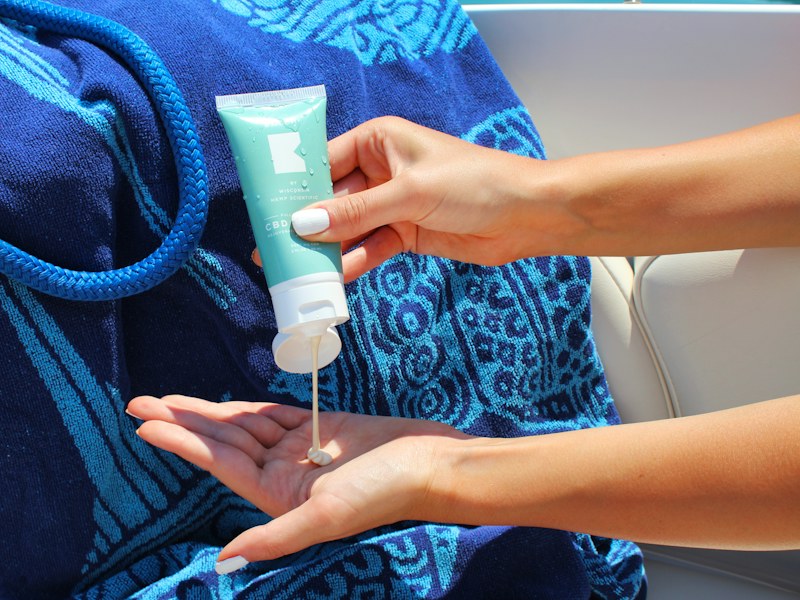
Balancing Sun Safety and Vitamin D
Dermatologists recommend protecting your skin from prolonged sun exposure. You can balance these goals by:
- Enjoying brief, regular outdoor time instead of long periods of intense exposure.
- Applying sunscreen, wearing a hat, and seeking shade when you will be outdoors for extended periods.
- Paying attention to the UV index, especially during summer and at high altitudes.
- Protecting babies and young children carefully, as their skin burns easily.
- Relying on food and supplements, rather than extra sun, when you need more vitamin D.
Food Sources of Vitamin D
Few foods naturally contain significant vitamin D, but some are excellent sources:
- Fatty fish such as salmon, mackerel, trout, and sardines
- Cod liver oil
- Egg yolks
- Mushrooms exposed to UV light
- Fortified foods such as milk, plant milks, some cereals, and orange juice
For many people, especially those living in northern regions, food alone may not provide enough vitamin D throughout the year.
Read more: The Role of Vitamin D3 in Height Growth
Who Is at Higher Risk of Low Vitamin D?
- People who spend most of their time indoors, including office workers and homebound older adults
- People with darker skin, particularly those living far from the equator
- Breastfed infants who do not receive a vitamin D supplement
- Older adults
- People with obesity, as vitamin D is stored in fat tissue
- People with conditions that affect fat absorption, such as celiac disease or Crohn’s disease
- Those who cover most of their skin for cultural or personal reasons

Signs You May Be Low in Vitamin D
Low vitamin D often causes no obvious symptoms. When symptoms do appear, they may include fatigue, bone pain, muscle weakness, or frequent illness. Children may show delayed growth or skeletal changes in severe cases. A simple blood test measuring 25-hydroxyvitamin D is the most reliable way to check your status.
Vitamin D Supplements
When sun exposure and diet are not enough, supplements can help. Vitamin D3 (cholecalciferol) is the form the skin makes and is commonly used in supplements. Many bone-health products combine vitamin D3 with calcium, and some add vitamin K2 to support how calcium is directed into bone.
Because vitamin D is fat-soluble, very high doses over time can lead to toxicity, causing high blood calcium. Follow recommended doses, and ask your healthcare provider for personalized advice, especially for children, during pregnancy, or if you have medical conditions.
Read more: The Role of Vitamin K2 in Bone Health: Why It Matters
Simple Daily Habits for Healthy Vitamin D Levels
- Take a short walk outdoors during the day when weather allows.
- Eat fatty fish once or twice a week.
- Choose vitamin D-fortified milk or plant-based alternatives.
- Encourage children to play outside regularly with appropriate sun protection.
- Consider testing and supplementation during winter months or if you are in a high-risk group.
Conclusion
Sunlight is a natural and efficient source of vitamin D, which your body needs to absorb calcium and maintain strong bones. However, the goal is moderate, sensible exposure, not long hours in the sun. By enjoying brief outdoor time, protecting your skin from burning, eating vitamin D-rich and fortified foods, and using supplements when needed, you can support healthy vitamin D levels and give your bones the foundation they need.
This article is for general information only and is not a substitute for advice from a healthcare professional or dermatologist.
