
Blog
The Role of Vitamin K2 in Bone Health: Why It Matters
Th8
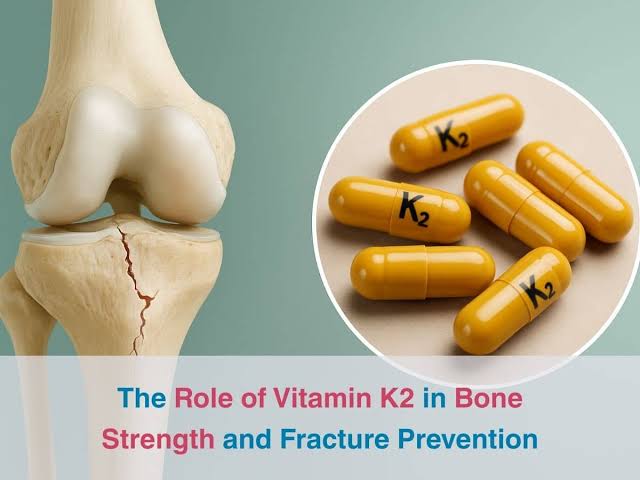
When talking about strong bones, calcium and vitamin D are usually the first nutrients that come to mind. However, another nutrient has received increasing attention for its role in bone metabolism: vitamin K2.
Vitamin K2 is a form of vitamin K involved in activating specific proteins in the body. Some of these proteins are associated with bone metabolism and the way calcium is handled within bone tissue.
This has led to growing interest in the combination of calcium, vitamin D3, and vitamin K2 in nutritional products designed to support bone health.
But what exactly does vitamin K2 do? How is it different from vitamin K1? And should adults consider getting more K2 through food or supplements?
Let’s take a closer look.
What Is Vitamin K2?
Vitamin K is a group of fat-soluble vitamins that includes several forms.
The two most commonly discussed forms are:
- Vitamin K1 (phylloquinone)
- Vitamin K2 (menaquinones)
Vitamin K1 is found mainly in green leafy vegetables and is especially important for normal blood clotting.
Vitamin K2 refers to a family of compounds known as menaquinones. Different forms of vitamin K2 include MK-4 and longer-chain forms such as MK-7.
Although vitamin K1 and K2 belong to the same vitamin family, they have different food sources and biological characteristics.
Why Is Vitamin K2 Important for Bones?
One of the most important ways vitamin K contributes to bone health is through the activation of certain vitamin K-dependent proteins.
One example is osteocalcin, a protein produced by bone-forming cells.
Vitamin K is required for osteocalcin to undergo a process called carboxylation, which allows it to function properly.
Because osteocalcin is involved in bone mineralization, vitamin K is an important component of normal bone metabolism.
In simple terms:
Vitamin K helps activate proteins involved in healthy bone metabolism.
Read more: Vitamin D3 and Calcium: Why Do They Work Better Together?
Vitamin K2 and Calcium: How Are They Connected?
Calcium is the primary mineral component of bone.
However, bone health is not simply about consuming calcium.
The body must regulate how calcium is absorbed, transported, stored, and used.
Vitamin D contributes to calcium absorption and metabolism, while vitamin K-dependent proteins participate in processes involved in bone mineralization.
This is one reason why calcium, vitamin D3, and vitamin K2 are often discussed together.
They have different functions rather than simply doing the same thing.
Vitamin K2 and Vitamin D3: A Complementary Relationship
Vitamin D3 and vitamin K2 are sometimes described as a “team” for bone health.
Their roles are different:
Vitamin D3
Helps the body absorb calcium from the digestive tract and supports normal calcium metabolism.
Vitamin K
Helps activate certain proteins involved in normal bone metabolism.
Calcium
Provides an important mineral component of bone tissue.
Together, these nutrients can form part of a comprehensive nutritional approach to supporting healthy bones.
However, it is important not to interpret this as meaning that taking more of these nutrients automatically produces stronger bones.
Adequate nutrition is the goal—not excessive intake.
Where Can You Get Vitamin K2?
Vitamin K2 occurs naturally in several foods.
Some sources include:
- Fermented foods
- Certain cheeses
- Eggs
- Meat
- Some animal-based foods
One particularly well-known food source is natto, a traditional Japanese fermented soybean food that can contain substantial amounts of vitamin K2.
The amount and form of vitamin K2 vary considerably between foods.
Vitamin K1 vs. Vitamin K2
Although both belong to the vitamin K family, they are not identical.
| Vitamin K1 | Vitamin K2 |
|---|---|
| Mainly found in leafy green vegetables | Found in fermented and some animal foods |
| Also called phylloquinone | Also called menaquinones |
| Important for normal blood clotting | Involved in vitamin K-dependent protein activation |
| Common in plant-based diets | Includes forms such as MK-4 and MK-7 |
Both forms contribute to vitamin K activity in the body.
Why Is Bone Health Important for Adults?
Bone development doesn’t stop being relevant after you reach your final height.
Your skeleton is living tissue that continuously undergoes remodeling.
During this process, old bone is removed and new bone is formed.
As you age, maintaining a healthy balance between bone breakdown and bone formation becomes increasingly important.
Factors that influence bone health include:
- Age
- Genetics
- Hormones
- Physical activity
- Calcium intake
- Vitamin D status
- Protein intake
- Overall nutrition
Vitamin K is another piece of this complex picture.
Can Vitamin K2 Make Adults Taller?
No.
This is an important distinction.
Vitamin K2 supports normal bone metabolism, but it cannot reopen growth plates or make adult long bones longer.
Once growth plates have closed, natural skeletal height growth is complete.
For adults, the purpose of nutrients such as calcium, vitamin D3, and vitamin K2 is to support bone health, not increase height.
What Happens to Bones After Growth Stops?
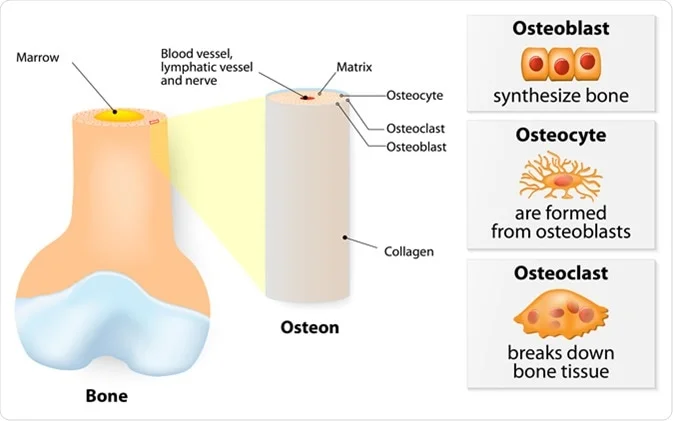
Although bones stop becoming longer after growth plates close, they remain active throughout life.
The body constantly remodels bone tissue.
This process helps:
- Repair microscopic damage
- Maintain bone strength
- Regulate mineral storage
- Adapt bones to physical activity
Good nutrition and regular exercise help support this ongoing process.
Vitamin K2 and Bone Density
Bone density is influenced by many factors, including nutrition, physical activity, hormones, age, and genetics.
Research has investigated whether vitamin K supplementation may influence bone-related outcomes, but evidence varies depending on the form of vitamin K, dosage, population, and outcome being studied.
Therefore, vitamin K2 should not be presented as a standalone solution for preventing or treating bone diseases.
Instead, it is best viewed as one nutrient within a broader bone-health strategy.
How Much Vitamin K2 Do You Need?
Unlike calcium, vitamin D, and several other nutrients, there is not a universally established recommended daily intake specifically for vitamin K2 in many countries.
Vitamin K recommendations are generally expressed as total vitamin K rather than K2 alone.
Individual nutritional needs can vary based on diet, age, health status, and medications.
If you take blood-thinning medication such as warfarin, it is especially important to discuss vitamin K intake and supplementation with your healthcare professional because vitamin K can affect anticoagulant therapy.
Read more: Why Is Calcium Essential for Healthy Bones?
Can You Get Enough Vitamin K Through Food?
For many people, a varied diet can provide sufficient vitamin K.
Leafy green vegetables are particularly rich in vitamin K1.
Vitamin K2 can be obtained from fermented foods and certain animal products.
However, dietary patterns differ considerably between individuals.
People who consume few vitamin K-rich foods may have lower intake.
Should You Take a Vitamin K2 Supplement?
Not everyone needs a vitamin K2 supplement.
A supplement may be considered as part of a nutritional strategy when dietary intake is limited or when a product has been specifically formulated to provide multiple bone-supporting nutrients.
However, supplementation should be based on individual nutritional needs.
More is not necessarily better.
People taking medications that interact with vitamin K should consult a healthcare professional before using vitamin K supplements.
Calcium + Vitamin D3 + K2: A Popular Combination
Many modern bone-health formulas combine three nutrients:
Calcium + Vitamin D3 + Vitamin K2
The logic is based on their complementary roles:
Calcium
Provides an important mineral component of bone.
Vitamin D3
Supports calcium absorption and normal calcium metabolism.
Vitamin K2
Helps activate vitamin K-dependent proteins involved in normal bone metabolism.
These nutrients do not replace one another.
Instead, they contribute to different aspects of skeletal health.
Supporting Bone Health Beyond Supplements
No supplement can replace a healthy lifestyle.
For stronger bones, consider combining good nutrition with:
Weight-Bearing Exercise
Walking, jogging, dancing, hiking, and other weight-bearing activities provide mechanical stimulation for bones.
Resistance Training
Strength training helps maintain muscle mass and supports skeletal health.
Adequate Protein
Protein supports both muscle and bone tissue.
Healthy Body Weight
Maintaining a healthy body composition can support overall physical function.
Avoiding Smoking
Smoking is associated with poorer bone health and other health risks.
Limiting Excessive Alcohol
Heavy alcohol consumption can negatively affect skeletal health.
Supporting Bone Health with Hito Calcium
Hito Calcium is designed to provide adults with a convenient way to incorporate calcium and other bone-supporting nutrients into their daily routine.
When a formula includes calcium alongside vitamin D3 and vitamin K2, each nutrient contributes a different role to the overall nutritional approach.
Hito Calcium should be viewed as part of a broader bone-health routine rather than a product designed to increase adult height.
For the best overall results, supplementation should be combined with a balanced diet, regular exercise, sufficient sleep, and healthy lifestyle habits.
Common Myths About Vitamin K2
Myth 1: Vitamin K2 Automatically Makes Bones Stronger
Vitamin K is involved in normal bone metabolism, but bone health depends on many factors.
Myth 2: K2 Can Make Adults Taller
No. Vitamin K2 cannot reopen closed growth plates or lengthen adult bones.
Myth 3: Everyone Needs High-Dose K2 Supplements
Not necessarily.
Nutritional needs vary, and excessive supplementation is not automatically beneficial.
Myth 4: K2 Replaces Calcium
No.
Vitamin K2 and calcium have different functions and should not be considered interchangeable.
Final Thoughts
Vitamin K2 is an important member of the vitamin K family and plays a role in normal bone metabolism through the activation of vitamin K-dependent proteins.
Its role is different from that of calcium and vitamin D3, which is why these nutrients are often combined in bone-health formulas.
For adults, however, the goal should not be to use K2 or other supplements to try to increase height. Once growth plates have closed, skeletal height cannot naturally increase.
Instead, focus on maintaining strong bones through a combination of adequate nutrition, regular physical activity, healthy lifestyle habits, and appropriate supplementation when needed.
Vitamin K2 can be one piece of that bigger picture—but healthy bones require a complete approach.
Frequently Asked Questions
What does vitamin K2 do for bones?
Vitamin K is required to activate certain proteins involved in normal bone metabolism, including osteocalcin.
Is vitamin K2 better than vitamin K1 for bones?
They are different forms of vitamin K with different food sources and biological characteristics. Both contribute to vitamin K activity, and neither should automatically be considered “better” for everyone.
Can vitamin K2 help adults grow taller?
No. Vitamin K2 supports bone metabolism but cannot increase bone length after growth plates have closed.
Why are calcium, vitamin D3, and K2 often combined?
They have complementary roles in bone health. Calcium provides mineral components, vitamin D3 supports calcium absorption and metabolism, and vitamin K contributes to the activation of certain bone-related proteins.
Is vitamin K2 safe for everyone?
Vitamin K is generally well tolerated in normal dietary amounts, but people taking vitamin K-sensitive anticoagulants such as warfarin should consult a healthcare professional before changing vitamin K intake or starting supplements.
Can I get vitamin K2 from food?
Yes. Vitamin K2 is found in fermented foods and some animal-based foods. Natto is particularly rich in certain forms of K2.
