
Blog
Calcium During Pregnancy and Breastfeeding: A Guide for Mothers

Th11
Pregnancy and breastfeeding are periods of remarkable change. A mother’s body supports the growth of an entirely new skeleton, and later provides all the nutrients a baby needs through breast milk. Calcium is central to this process. A baby’s bones, teeth, heart, nerves, and muscles all depend on it.
Many expectant mothers wonder whether they need extra calcium, whether the baby will “take” calcium from their bones, and how to meet their needs if they do not drink milk. This guide answers these common questions with practical, evidence-based information.
Why Calcium Matters During Pregnancy
A full-term baby’s skeleton contains around 30 grams of calcium, most of which is transferred during the third trimester when bones mineralize rapidly. Calcium also supports the development of the baby’s heart rhythm, nervous system, and muscles.
For the mother, calcium helps maintain her own bone health, normal muscle contraction, and blood clotting. Some research has also found that calcium supplementation may lower the risk of high blood pressure disorders of pregnancy, such as preeclampsia, in women whose usual calcium intake is low. This is why some international guidelines recommend supplementation in populations with low dietary calcium.
How the Body Adapts
Nature has built in an important adaptation. During pregnancy, the mother’s intestine becomes much more efficient at absorbing calcium, partly due to higher levels of active vitamin D. This increased absorption helps supply the growing baby without necessarily depleting the mother’s bones, provided her diet is adequate.
This is why official recommendations for calcium do not increase during pregnancy for adult women. However, meeting the standard recommendation becomes especially important, because the body cannot absorb calcium that is not consumed.
How Much Calcium Do Pregnant and Breastfeeding Women Need?
| Age | Pregnancy | Breastfeeding |
|---|---|---|
| 14–18 years | 1,300 mg/day | 1,300 mg/day |
| 19–50 years | 1,000 mg/day | 1,000 mg/day |
Teenage mothers have higher needs because their own bones are still growing.
Read more: How Much Calcium Do You Need? Daily Requirements by Age
Calcium During Breastfeeding
Breast milk contains calcium that supports the baby’s rapid bone growth. During lactation, a mother may temporarily lose a small percentage of bone density, mainly due to hormonal changes rather than diet alone. Research shows that this bone is usually regained within months after breastfeeding ends and menstrual cycles return.
Even so, getting enough calcium, vitamin D, and overall nutrition during breastfeeding helps support the mother’s recovery and long-term bone health.

Best Food Sources for Mothers
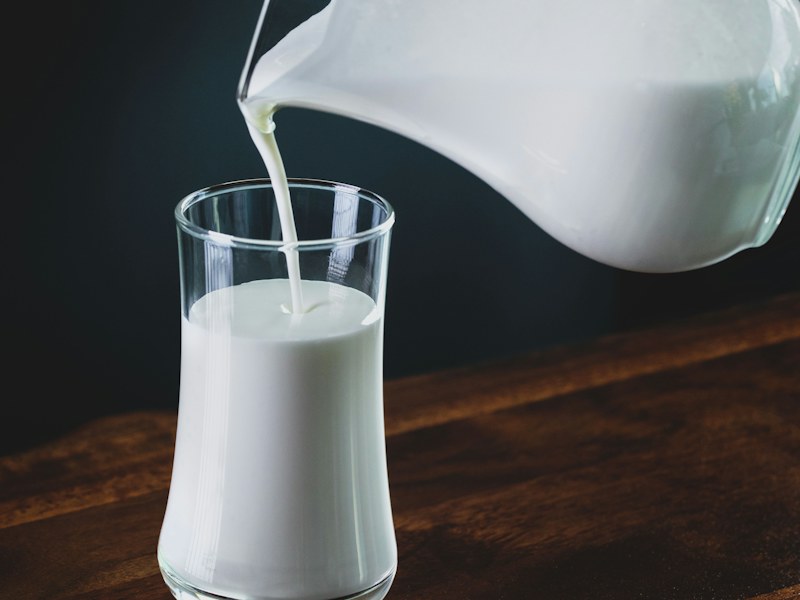
- Dairy products – milk, yogurt, and pasteurized cheese
- Fortified plant milks – soy, oat, or almond drinks with added calcium and vitamin D
- Calcium-set tofu – an excellent plant source
- Canned salmon or sardines with bones – also provide omega-3 fats; choose low-mercury fish
- Leafy greens – kale, bok choy, and collard greens
- Almonds, sesame seeds, and dried figs
Food safety reminder: During pregnancy, avoid unpasteurized milk and soft cheeses made from unpasteurized milk, as they may carry harmful bacteria such as Listeria.
Read more: Plant-Based Sources of Calcium: A Complete Guide for Dairy-Free Diets
A Sample Calcium-Rich Day
- Breakfast: Oatmeal cooked with milk, topped with fruit and almonds
- Snack: Yogurt with berries
- Lunch: Whole-grain sandwich with cheese, plus a leafy green salad
- Snack: A glass of fortified plant milk
- Dinner: Baked salmon with steamed broccoli and brown rice
Vitamin D: Calcium’s Essential Partner
Vitamin D is needed for calcium absorption and for the baby’s bone development. Low vitamin D in pregnancy is common, especially among women with limited sun exposure or darker skin. Many prenatal vitamins contain vitamin D, and some healthcare providers recommend testing or additional supplementation. Breastfed infants are also commonly advised to receive a vitamin D supplement, so ask your pediatrician.
Read more: Vitamin D3 and Calcium: Why Do They Work Better Together?
Should You Take a Calcium Supplement?
Many prenatal vitamins contain only a modest amount of calcium, because a full dose would make the pill very large. If your diet does not provide enough, your healthcare provider may suggest a separate calcium supplement.
Helpful tips:
- Take calcium and iron supplements at different times, as calcium can reduce iron absorption.
- Split doses of 500 mg or less for better absorption.
- Calcium carbonate is best taken with food; calcium citrate can be taken anytime.
- Some calcium-based antacids for heartburn also contribute calcium, so count them in your total.
- Do not exceed the upper limit of 2,500 mg per day (3,000 mg for teens) from all sources.
Common Concerns
Leg cramps
Leg cramps are common in pregnancy. Their causes are not fully understood, and evidence for calcium as a treatment is mixed. Stretching, staying hydrated, and gentle activity may help. Mention frequent cramps to your provider.
Lactose intolerance
Women who are lactose intolerant can choose lactose-free milk, yogurt with live cultures, hard cheeses, or fortified plant-based alternatives.
Conclusion
Calcium plays a vital role in building a baby’s skeleton and protecting the mother’s bones during pregnancy and breastfeeding. Although the body becomes more efficient at absorbing calcium, meeting daily needs through a varied diet, adequate vitamin D, and supplements when recommended is essential. Every mother’s needs are different, so work with your healthcare provider to create the right plan for you and your baby.
This article is for general information only. Always follow the advice of your obstetrician, midwife, or other healthcare provider during pregnancy and breastfeeding.
