
Blog
Osteoporosis Prevention: Lifestyle Steps You Can Start at Any Age
Th11
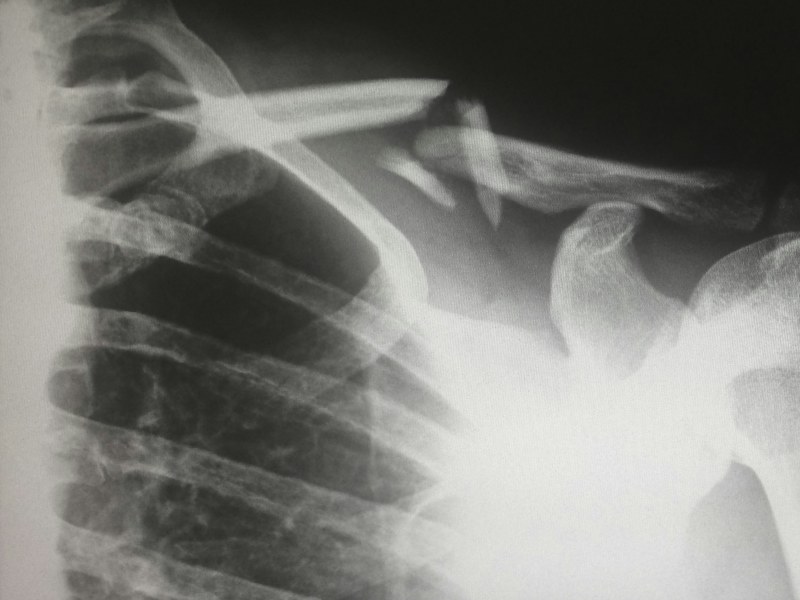
Osteoporosis is often described as a “silent disease” because bone loss happens gradually and painlessly, frequently going unnoticed until a fracture occurs. Millions of people worldwide live with osteoporosis or low bone mass, and fractures of the hip, spine, and wrist can seriously affect independence and quality of life.
The encouraging news is that osteoporosis is not an inevitable part of aging. While genetics play a role, many lifestyle factors under your control influence how strong your bones become and how well they hold up over time. This article outlines practical prevention steps for every stage of life.
What Is Osteoporosis?
Osteoporosis is a condition in which bones become less dense and their internal structure deteriorates, making them fragile and more likely to break. Healthy bone has a honeycomb-like inner structure. In osteoporosis, the spaces in this honeycomb become larger and the walls thinner, so bones can fracture from a minor fall or, in severe cases, even from everyday activities like bending or coughing.
Throughout life, bone is continuously remodeled. In youth, bone formation outpaces breakdown. After about age 30, the balance slowly shifts, and bone loss gradually exceeds formation. Osteoporosis develops when this loss becomes significant.
Read more: Understanding Bone Density: What It Means and How to Support Strong Bones
Risk Factors You Cannot Change
- Sex – women are at higher risk, partly due to smaller bones and rapid bone loss after menopause.
- Age – risk increases as we get older.
- Family history – a parent with a hip fracture raises your risk.
- Body frame – people with smaller, thinner frames have less bone reserve.
- Ethnic background – risk varies among populations.
Risk Factors You Can Influence
- Low calcium and vitamin D intake
- Physical inactivity
- Smoking
- Excessive alcohol consumption
- Very low body weight or extreme dieting
- Certain medications, such as long-term corticosteroids (always discuss with your doctor before changing medicines)
Prevention Starts in Childhood
One of the most powerful ways to prevent osteoporosis is to build as much bone as possible early in life. Most bone mass is accumulated during childhood and adolescence, and peak bone mass is generally reached in early adulthood. People who reach a higher peak have a larger “bone bank” to draw from later.
For children and teens, the priorities are:
- Adequate calcium, especially during the teen years when needs reach 1,300 mg daily
- Sufficient vitamin D from sunlight, food, or supplements when advised
- At least 60 minutes of daily physical activity, including jumping and running
- Limiting soft drinks that displace milk and other nutritious beverages
Read more: Peak Bone Mass: Why Your Early Years Matter for Lifelong Bone Health
Seven Lifestyle Steps for Adults
1. Meet your calcium needs
Most adults need about 1,000 mg of calcium daily, increasing to 1,200 mg for women over 50 and everyone over 70. Dairy foods, fortified plant milks, calcium-set tofu, canned fish with bones, and leafy greens such as kale and bok choy are good sources.
2. Get enough vitamin D
Vitamin D allows your body to absorb calcium. Sensible sun exposure, fatty fish, fortified foods, and supplements when needed can help maintain healthy levels.
3. Eat enough protein
Protein forms the framework of bone. Including protein-rich foods such as fish, eggs, dairy, legumes, and lean meat at meals supports both bone and muscle.
4. Stay physically active
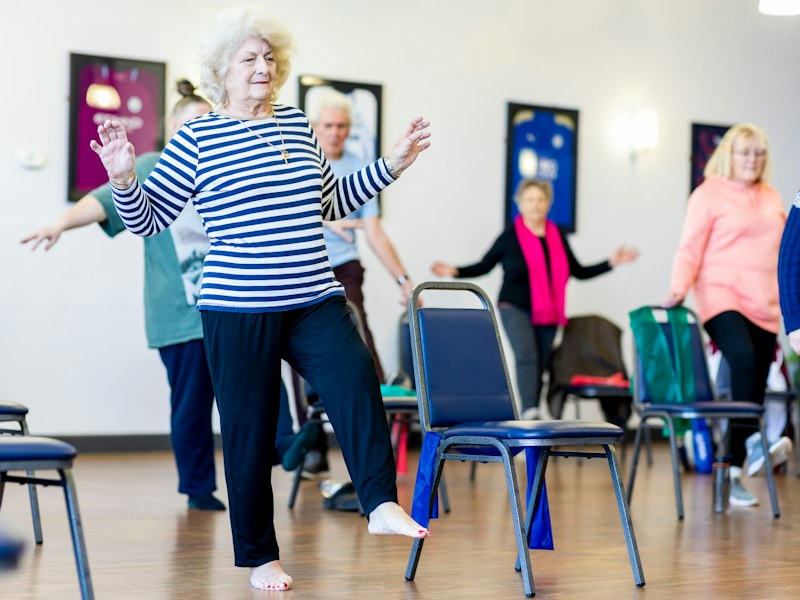
Weight-bearing exercises like walking, jogging, dancing, and stair climbing, combined with muscle-strengthening activities at least twice a week, help maintain bone density.
5. Do not smoke
Smoking is associated with lower bone density and higher fracture risk. Quitting at any age benefits bone health along with overall health.
6. Limit alcohol
Heavy drinking interferes with bone formation and increases the risk of falls. If you drink, keep intake moderate.
7. Maintain a healthy weight
Being underweight increases the risk of bone loss and fractures, while very restrictive diets can deprive bones of essential nutrients.
Preventing Falls: The Other Half of Fracture Prevention
Most fractures in older adults result from falls. Reducing fall risk is just as important as strengthening bone:
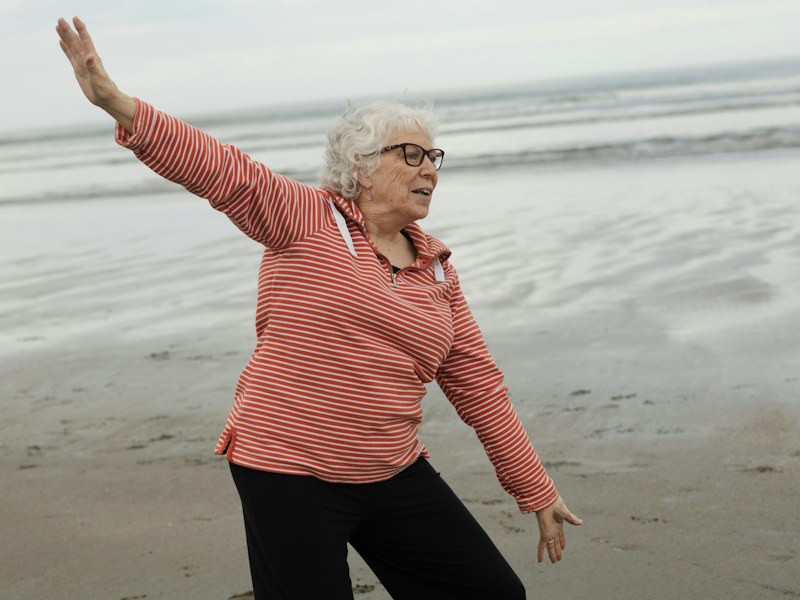
- Practice balance exercises such as tai chi or standing on one leg with support
- Keep floors clear of clutter and secure loose rugs
- Install grab bars in bathrooms and use non-slip mats
- Ensure good lighting, especially on stairs and at night
- Have vision checked regularly
- Wear supportive, well-fitting shoes
- Review medications that may cause dizziness with a healthcare provider
Screening and Early Detection
A bone mineral density test, commonly done with a DXA scan, measures bone density and helps assess fracture risk. Many guidelines recommend screening for women aged 65 and older and for younger people with risk factors. Talk with your doctor about when screening is right for you.
If you have low bone density, your doctor may recommend lifestyle changes, supplements, or medications depending on your overall risk.
Read more: Signs of Calcium Deficiency: Symptoms You Should Not Ignore
The Role of Supplements
Food should be the first source of nutrients, but supplements can help when diet falls short. Calcium combined with vitamin D3 is commonly used, and some formulas add magnesium and vitamin K2 to support bone metabolism. Avoid taking more than recommended, and consult a professional for personalized guidance.
Conclusion
Osteoporosis prevention is a lifelong process. Building strong bones in childhood and adolescence, maintaining them through adulthood with good nutrition and regular exercise, avoiding smoking and excessive alcohol, and preventing falls in later years all work together to reduce fracture risk. It is never too early, or too late, to start taking care of your bones.
This article is for informational purposes only and does not replace advice from a qualified healthcare professional.
