
Blog
Bone Health After Menopause: How to Slow Bone Loss and Stay Strong

Th11
Menopause brings many changes, from hot flashes and sleep disruptions to shifts in mood and metabolism. One of the most important changes, however, happens silently inside the skeleton. In the years surrounding menopause, women can lose bone at a faster rate than at any other time in adult life.
Understanding why this happens and what you can do about it is key to reducing the risk of osteoporosis and fractures later on. This article explains the link between menopause and bone loss and outlines practical strategies to keep bones strong.
Why Menopause Affects Bone
Estrogen plays an important protective role in bone health. It helps regulate bone remodeling by limiting the activity of osteoclasts, the cells that break down bone. When estrogen levels drop sharply during menopause, bone breakdown accelerates while bone formation cannot keep up.
Research suggests that women may lose bone rapidly in the first several years after menopause, with some studies reporting losses of around 10% or more over the menopausal transition at certain sites. Bone loss continues afterward at a slower pace. This is a major reason why osteoporosis is much more common in older women than in men.
Who Is at Greater Risk?
Certain factors can increase the risk of significant bone loss after menopause:
- Early menopause (before age 45), including surgical menopause
- A family history of osteoporosis or hip fracture
- A small, thin body frame or low body weight
- Low lifetime calcium and vitamin D intake
- Physical inactivity
- Smoking and heavy alcohol use
- Long-term use of certain medications, such as corticosteroids
- Conditions like rheumatoid arthritis or thyroid disorders
Nutrition for Postmenopausal Bone Health
Calcium
Recommendations for women increase to 1,200 mg of calcium per day after age 50. Good sources include dairy, fortified plant milks, calcium-set tofu, canned fish with bones, and leafy greens. If diet alone is not enough, a supplement may help, ideally split into doses of 500 mg or less.
Read more: How Much Calcium Do You Need? Daily Requirements by Age
Vitamin D
Vitamin D needs remain important as skin becomes less efficient at producing it with age. Many women benefit from fortified foods or supplements, particularly in winter or with limited sun exposure.
Protein
Adequate protein supports bone structure and helps preserve muscle mass, which declines with age. Include protein from fish, eggs, dairy, legumes, or lean meat at each meal.
Magnesium and vitamin K2
Magnesium contributes to bone mineralization, while vitamin K2 helps activate proteins involved in binding calcium to the bone matrix. Nuts, seeds, whole grains, leafy greens, and fermented foods are useful sources.
Read more: The Role of Vitamin K2 in Bone Health: Why It Matters
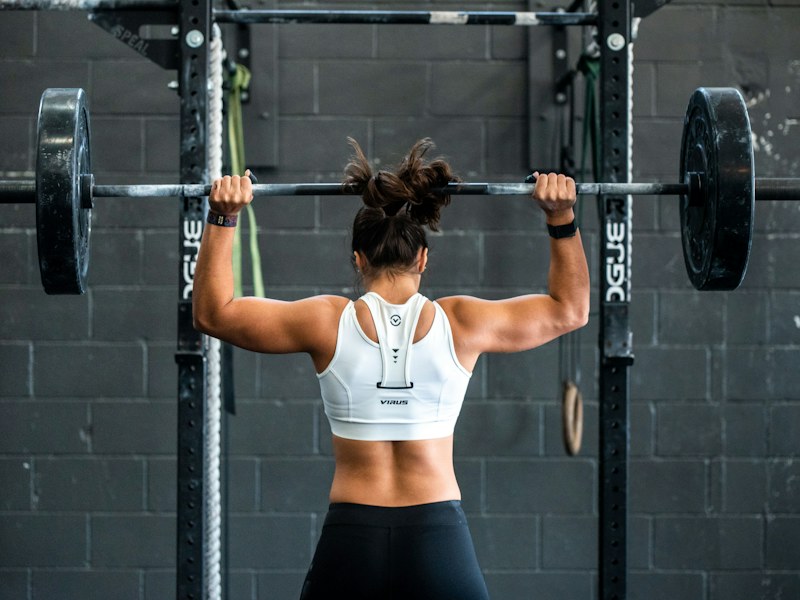
Exercise: Signaling Bones to Stay Strong
Exercise is one of the most effective non-medical ways to slow bone loss. A well-rounded routine for women after menopause includes:
- Weight-bearing aerobic activity – brisk walking, dancing, low-impact aerobics, or hiking on most days.
- Resistance training – lifting weights, resistance bands, or bodyweight exercises at least twice a week.
- Balance training – tai chi, yoga, or simple balance exercises to reduce fall risk.
- Posture work – exercises that strengthen the back muscles can help support the spine.
Women with diagnosed osteoporosis should seek guidance from a physical therapist or doctor, as certain movements, such as deep forward bending and twisting of the spine, may need to be avoided.
Read more: Weight-Bearing Exercise: Why Impact Activities Build Stronger Bones
Lifestyle Habits That Make a Difference
- Stop smoking. Smoking lowers estrogen levels further and is linked to faster bone loss.
- Limit alcohol. Excess alcohol affects bone formation and increases fall risk.
- Moderate caffeine and salt. Both can modestly increase calcium loss when consumed in large amounts.
- Maintain a healthy weight. Avoid very low body weight and extreme diets.
- Prioritize sleep. Good sleep supports overall health, recovery, and hormone balance.
- Make your home fall-safe. Remove tripping hazards, improve lighting, and install grab bars.
Bone Density Testing
A DXA scan measures bone mineral density and helps identify osteopenia or osteoporosis before a fracture occurs. Many guidelines recommend screening for all women aged 65 and older, and earlier for postmenopausal women with risk factors. Results are often reported as a T-score, which compares your bone density with that of a healthy young adult.
Medical Treatment Options
For women at high fracture risk, doctors may recommend medications that slow bone loss or help build new bone. Hormone therapy may also be considered for some women, particularly when it is used to manage menopausal symptoms, but it has benefits and risks that need careful individual discussion. Any treatment decision should be made with a healthcare professional who understands your full health history.
Conclusion
The drop in estrogen during menopause speeds up bone loss, making the years around menopause a critical time to focus on bone health. Increasing calcium to 1,200 mg daily, getting enough vitamin D and protein, staying active with weight-bearing, strength, and balance exercises, and avoiding smoking and excess alcohol can all help protect your skeleton. Regular check-ups and bone density testing allow problems to be caught early, so you can stay strong, active, and independent for years to come.
This article is for informational purposes only and is not a substitute for professional medical advice.
