
Blog
Best Multivitamins for Infants: A Complete Nutrition Guide from A to Z for Moms

18
Th12
Th12
What are the best multivitamins for infants? Learn about essential vitamins, proper supplementation, and tips to help your baby grow healthy and tall naturally. Caring for a child in the early years is a journey that is both joyful and full of worries.
One of the biggest concerns for mothers is: should the baby take multivitamins, and which type is the best and safest for infants?
This article will help mothers understand each essential vitamin, when to supplement, and the criteria for choosing the best multivitamins for infants, recommended by pediatric nutrition experts. Finally, mothers will know how to create a solid foundation for their baby to grow tall, healthy, intelligent, and with strong immunity right from the early years.
1. Why do infants need multivitamins?
Many mothers think, “breast milk is enough for the baby,” but in reality, there are some essential vitamins that breast milk doesn’t provide in sufficient amounts.
During the first 6 months, infants grow very rapidly – their weight can double and height can increase by 50% compared to birth. At this stage, a baby’s body requires micronutrients several times more than adults relative to body weight.
However:
– The mother’s diet may not be well-balanced.
– The baby may not get enough breast milk.
– Or the baby was born prematurely or with low birth weight – requiring extra support.
At this point, multivitamins act as a “nutrition assistant” to help the baby absorb nutrients better and develop comprehensively.
2. The most important vitamins for infants
Not all vitamins need to be supplemented, but the following 4 groups are extremely important during the 0–12 month period:
a. Vitamin D – “Sunshine in a drop of milk”
Vitamin D helps absorb calcium and phosphorus, the two main components of bones and teeth. A deficiency in vitamin D is a leading cause of rickets, delayed teething, and delayed milestones such as rolling over or crawling.
Requirement: 400 IU/day (according to WHO recommendations).
How to supplement: expose the baby to morning sunlight (7:00–8:30 AM) or use vitamin D drops as directed by a doctor.
b. Vitamin A – Boosts immunity and vision
Supports healthy eyes and skin, and strengthens immunity. Infants deficient in vitamin A may experience dry corneas, respiratory infections, and delayed weight gain.
Sources: breast milk, egg yolk, carrots, pumpkin.
If the mother consumes few vegetables or the baby feeds poorly, supplementation through multivitamins is recommended.

c. Vitamin C – Enhances iron absorption and immunity
Infants cannot synthesize vitamin C themselves, so it must be provided through food or supplements.
Vitamin C protects cells, boosts immunity, and helps absorb iron to prevent anemia.
Requirement: 40 mg/day
Sources: oranges, guava, strawberries (through maternal diet), or infant multivitamins containing vitamin C.
d. B Vitamins – Support metabolism and nervous system development
B vitamins (B1, B2, B6, B12) help metabolize energy, and develop the brain and central nervous system.
Vitamin B12 specifically aids red blood cell formation and supports memory development later.
Breastfeeding mothers should ensure adequate B vitamin intake through nutrient-rich foods like meat, fish, eggs, and milk, or via maternal multivitamins.
3. When should infants take multivitamins?
According to the American Academy of Nutrition (AAN) and the Vietnam Pediatric Association, multivitamin supplementation should be considered in four cases:
– Infants exclusively breastfed whose mothers are on a diet, vegetarian, or have insufficient nutrition.
– Premature or low-birth-weight babies, or those with digestive disorders.
– Infants drinking less than 500 ml/day of formula milk.
Infants living in areas with little sunlight, cold climates, or with darker skin.
Using multivitamins should be guided by a pediatrician or nutrition specialist to ensure the dosage matches the baby’s weight and health status.
Xem thêm:
4. Signs of vitamin deficiency in infants – what parents should watch for
Vitamin
Common deficiency signs
Vitamin D
Excessive sweating, “crown” hair loss, delayed teething
Vitamin A
Dry skin, poor eyesight, frequent infections
Vitamin C
Frequent illness, slow-healing wounds, bleeding gums
Vitamin B
Fatigue, poor feeding, delayed reflexes
If 2–3 of these signs appear, parents should consult a doctor to supplement the correct type and dosage of multivitamins.

5. How to choose the best multivitamins for infants
With hundreds of products on the market, not all are suitable for babies under 1 year old. Parents should follow these 5 golden criteria:
– Clear origin: Prefer products certified GMP, FDA, or EU CE.
– Infant-specific formula (0–12 months): Avoid high doses of iron or zinc that may upset digestion.
– Easy-to-take form: Drops or syrup, no artificial colors.
– Free from preservatives and chemical flavorings.
– Recommended by pediatricians or supported by clinical studies.
Popular brands trusted by parents: BioGaia (Sweden), ChildLife (USA), Ostelin (Australia), Ddrops (Canada), Nature’s Aid (UK).
6. Notes when giving multivitamins to infants
Incorrect supplementation can cause excess nutrients, harming the liver or causing digestive issues. Parents should remember:
– Do not combine multiple vitamins with overlapping ingredients without guidance.
– Give the correct dose at the right time, ideally 15–30 minutes after feeding.
– Do not drop vitamins directly into the baby’s mouth – mix with milk or warm water as instructed.
– Monitor the baby’s reactions: if rashes, vomiting, or diarrhea occur, stop use and consult a doctor.
7. Multivitamins are just a foundation – maternal nutrition remains the “golden key”
Even with supplements, breast milk is the main and most important source of nutrition during the first 6 months. Parents should focus on a balanced diet to help the baby absorb nutrients optimally:
– Eat all 4 food groups: protein, carbs, vegetables, healthy fats.
– Drink 2–3 liters of water daily.
– Limit coffee, tea, spicy foods, alcohol.
– Include foods rich in calcium, iron, zinc, and vitamin D.
Maternal nutrition is the first step in building a strong skeletal system and natural immunity for the baby.

8. Suggested combination of vitamins and minerals as the baby grows
When the baby starts complementary feeding (after 6 months), mineral requirements increase significantly. In addition to vitamins, the baby also needs:
– Calcium: supports bone and teeth development.
– Zinc: boosts immunity, supports taste and digestion.
– Magnesium: maintains heart rhythm and deep sleep.
– Omega-3: supports brain and vision development.
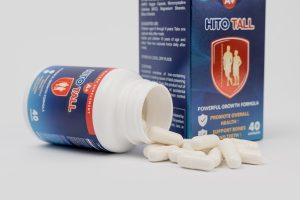
At this stage, parents can gradually switch to specialized growth supplements for height, such as Hito Tall for children 6 years and older, helping to build a strong bone foundation early.
9. Hito Tall – Nutritional stepping stone for post-infancy height growth
During preschool and early school years, bone growth occurs rapidly. This is the golden period to transition from basic multivitamins to specialized bone growth supplements like Hito Tall – a U.S.-made nutritional product, GMP–FDA certified, designed for Vietnamese children.
Hito Tall formula includes:
– Nano Calcium: absorbs 200 times faster than regular calcium.
– Vitamin D3 – K2 (MK7): ensures calcium reaches bones effectively.
– Magnesium – Zinc – Vitamin C: increases bone density and strengthens immunity.
– Collagen Type II: supports growth plates, helping natural height development.
By combining Hito Tall after age 5 with infant multivitamins, parents provide a comprehensive foundation for their child’s full potential in growth, health, and height.
10. Conclusion – The best multivitamins for infants are the ones most suitable for your baby
There is no “magical” vitamin that makes a baby healthy in just a few days.
The key is to choose the right type, at the right time, combined with a balanced diet.
A good multivitamin for infants should:
– Have a balanced composition appropriate for the age group.
– Come from a clear source with international safety certifications.
– Be easy to take, absorb, and free from additives.
Proper vitamin supplementation helps babies grow healthy, strengthens immunity, builds strong bones, and supports cognitive development – preparing them for the “growth journey” in the coming years.
Hito Tall – continuing that journey, acts as a “companion” to help children develop comprehensively in height, physical strength, and intelligence, so every step is confident and steady.
