
Blog
Best Vitamins for Teens to Support Height Growth

Th7
Teenagers need the best vitamins for teens to support height growth and health during this critical development stage. Canxi Hito, with organic calcium from Japanese codfish bone, is a reliable choice to help strengthen bones and support optimal growth. Read the article to learn how to choose the right vitamins for your child!
See more:
- Which country has the best height growth supplements?
- Height Increase Pills After Age 21: Are They Really Effective?
1. Why Do Teenagers Need Vitamin Supplements?
Teenagers (ages 10–19) go through a phase of intense physical and mental development, requiring high levels of nutrients to support growth. This is a crucial period to build strong bones, strengthen the immune system, and support academic and athletic performance. Key factors include:
- Height growth: Bones require calcium, vitamin D3, and minerals to grow longer and stronger, especially during puberty when growth peaks.
- Immune system support: Vitamin C, zinc, and antioxidants help protect the body from illness, particularly in crowded school environments.
- Improved memory and focus: B vitamins and trace elements like zinc support nerve function, enhancing learning and concentration.
- Daily energy: Iron, B vitamins, and other nutrients help maintain physical and mental energy levels.
However, many teenagers have unbalanced diets due to busy school schedules, unhealthy eating habits, or picky eating preferences. Fast food and processed meals are often prioritized over nutrient-rich options like vegetables, fish, or dairy. This leads to deficiencies in essential micronutrients such as calcium, vitamin D, or iron, which negatively impact overall development. Supplementing with the best vitamins for teens—such as calcium, vitamin D3, and related nutrients—helps fill nutritional gaps and ensures healthy growth.
1.1. Essential Nutrients for Teenagers
Important vitamins and minerals include:
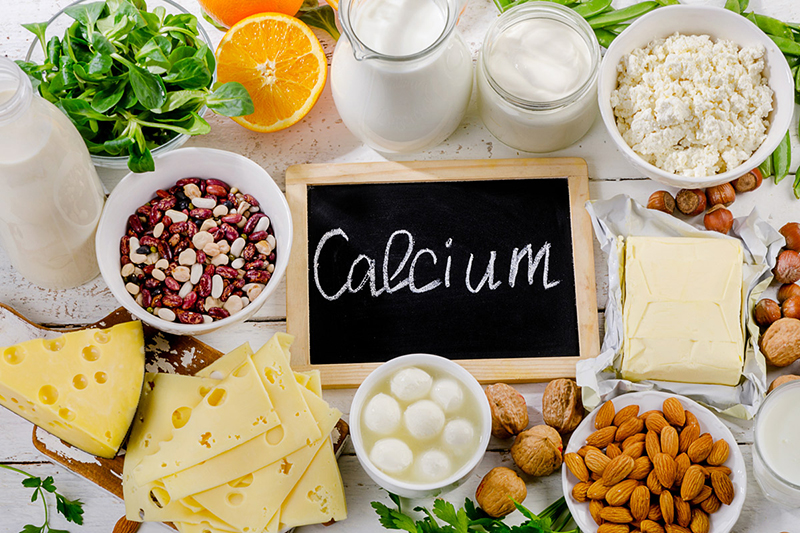
- Calcium: A key component of bones and teeth, supports height and bone strength.
- Vitamin D3: Enhances calcium absorption, supports bone health and immune function—especially important if sunlight exposure is low.
- Vitamin K2: Helps transport calcium into bones, increases bone mineral density, and reduces the risk of future osteoporosis.
- B vitamins (B1, B6, B12): Aid metabolism, provide energy, and support nervous system function.
- Iron: Prevents anemia, especially important for girls during menstruation.
- Zinc: Supports immunity, physical development, and skin health during puberty.
1.2. The Importance of Nutrition at the Right Stage
The ages from 10 to 19 are a golden window for optimizing development. Nutritional deficiencies during this period can lead to issues such as rickets, stunted height growth, or memory problems. On the other hand, proper supplementation can help children reach their full potential both physically and mentally.
2. Criteria for Choosing the Best Vitamins for Teens
To choose the best vitamins for teens, parents should consider the following factors to ensure the product is suitable, safe, and effective:
2.1. Age Appropriateness
Nutritional needs vary with age. Children aged 10–13 should focus on calcium and vitamin D3 for height growth, while those aged 14–19 need additional B vitamins, zinc, and iron to support energy, academic performance, and hormonal changes.
2.2. Natural Sources
Vitamins and minerals from natural sources—such as codfish bones or red algae—are often more easily absorbed than synthetic forms. For example, Canxi Hito uses organic calcium from Japanese codfish bones, ensuring safety and efficacy.
2.3. Safe Dosage
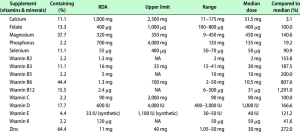
Dosages should follow the Recommended Daily Allowance (RDA). Excess vitamin A can cause headaches and nausea, while calcium deficiency can impair bone development.
2.4. Easy to Use
Teenagers prefer products that are convenient and pleasant to consume, such as milk granules or capsules with a mild flavor. Canxi Hito offers both milk granules and capsules, catering to different preferences.
2.5. Recommended by Experts
Consult a nutrition specialist to ensure the product matches the child’s physical condition and specific nutritional needs—especially for those with unique health conditions.
3. The Role of Canxi Hito in Supporting Teen Health
Canxi Hito and Hito A+ are organic calcium supplements specially formulated to support teenagers during their developmental stage. Sourced from Japanese codfish bones and red algae, the products offer a range of benefits:
3.1. Effectiveness of Canxi Hito
- Supports Bone and Height Growth: Organic calcium from codfish bones and red algae provides essential nutrients to strengthen bones and support optimal height development. Codfish bones contain naturally absorbable calcium that helps children build a strong skeletal frame.
- Enhanced Absorption with Vitamin D3: Vitamin D3 in Canxi Hito improves calcium absorption in the intestines, assists reabsorption in the kidneys, and plays a role in the calcification of growth cartilage, contributing to bone elongation.
- Increased Bone Density with Vitamin K2: Vitamin K2 activates osteocalcin, helping transport calcium into bones and increasing mineral content and bone strength—especially vital during adolescence.
- Safe and Easily Absorbed: Organic calcium offers high bioavailability, reducing the risk of calcium build-up and avoiding side effects like constipation or internal heat. Suitable for children aged 2 to 16.
- Variety of Forms: Hito is available as dissolvable milk granules (fresh coconut flavor, lightly sweetened), ideal for younger children. Hito A+ comes in capsule form for older children.
- No Caloric Sugars: Helps avoid unwanted weight gain and supports long-term health.
- Japanese Origin: Codfish bones are imported from Japan and extracted using advanced technology to ensure purity and quality.
3.2. How to Use Canxi Hito
- Dosage: 1–2 times per day, with each serving being 1 milk granule packet (Hito) or 1 capsule (Hito A+), depending on age.
- Timing: Take after breakfast to optimize calcium absorption. Avoid taking on an empty stomach or close to antibiotic intake (maintain a 2-hour gap).
- Expert Advice: Consult a nutrition specialist to adjust dosage if needed, especially for children with calcium deficiencies.
3.3. Notes When Using
- Do not exceed the recommended dosage to avoid calcium buildup.
- Combine with a diet rich in leafy greens, milk, and fish for optimal results.
- Monitor the child’s response; discontinue use if any abnormal signs occur.
- Children under 2 years old should only use under medical supervision.
4. Best Vitamins for Teens
In addition to Canxi Hito, parents can supplement with the following vitamins and minerals to support overall health:
4.1. Vitamin D3
- Function: Supports calcium absorption, boosts immunity, and aids bone development—especially important for children with limited sun exposure.
- Natural sources: Salmon, mackerel, egg yolks, sunlight (15–30 minutes/day).
- Supplements: D3 capsules or drops.
- Note: Deficiency may cause rickets or slow height growth.
4.2. Vitamin B Complex
- Function: Includes B1, B6, and B12, supports metabolism, provides energy, and improves nerve function.
- Natural sources: Whole grains, chicken, beans, eggs.
- Supplements: B-complex tablets, chewables.
- Note: Beneficial for kids under academic stress to reduce fatigue.
4.3. Vitamin C
- Function: Strengthens immunity, supports collagen production, improves skin health.
- Natural sources: Oranges, kiwi, bell peppers, strawberries.
- Supplements: Effervescent or chewable vitamin C.
- Note: Helps reduce acne problems during puberty.
4.4. Iron
- Function: Prevents anemia, supports red blood cell production—especially important for girls during menstruation.
- Natural sources: Red meat, spinach, lentils.
- Supplements: Iron tablets combined with vitamin C.
- Note: Iron deficiency causes fatigue and poor concentration.
4.5. Zinc
- Function: Supports immunity, physical growth, and skin health.
- Natural sources: Pumpkin seeds, oysters, beef.
- Supplements: Chewable zinc tablets.
- Note: Promotes full development during puberty.
5. How to Effectively Supplement Vitamins for Teenagers
To ensure the best vitamins for teens work effectively, parents should:
5.1. Combine with a Healthy Diet
- Increase intake of calcium-rich foods (milk, fish), vitamin C (fruits), and protein.
- Limit fast food and processed items to avoid nutrient deficiencies.
5.2. Encourage an Active Lifestyle
- Motivate children to engage in outdoor activities for natural vitamin D from sunlight.
- Promote sports like basketball or swimming to support bone development.

5.3. Personalize the Supplement Plan
Adjust supplementation based on age, gender, and activity level.
Consult a nutrition expert to create a suitable regimen.
5.4. Regular Health Check-ups
Conduct blood tests to detect micronutrient deficiencies.
Adjust supplementation according to test results.
6. Conclusion: Choosing the Best Vitamins for Teens
The best vitamins for teens should meet their developmental needs, be safe, and easy to use. Canxi Hito and Hito A+, with organic calcium from Japanese cod bones and red algae, combined with vitamins D3 and K2, are ideal choices to support height growth and strong bones. Paired with a healthy diet and active lifestyle, parents can help their children achieve comprehensive development during this crucial stage.
