
Blog
How Caffeine and Soft Drinks Affect Calcium and Bone Health
Th10
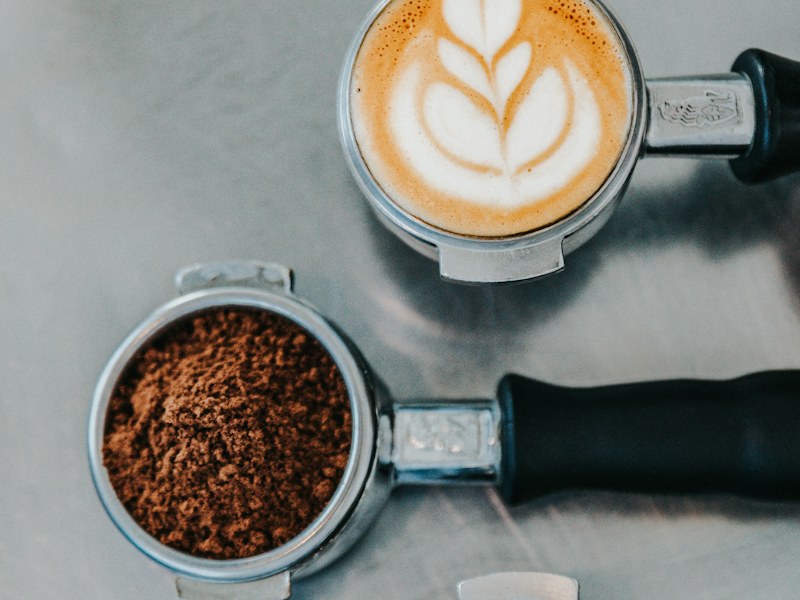
Coffee in the morning, iced tea at lunch, a can of soda in the afternoon, and maybe an energy drink before a workout. For many people, caffeinated and carbonated beverages are part of everyday life. At the same time, you may have heard warnings that these drinks “leach calcium from your bones.” Is there any truth to this, or is it an exaggerated myth?
The answer lies somewhere in the middle. Research suggests that moderate caffeine intake has only a small effect on calcium balance, but heavy consumption, especially of certain soft drinks, combined with low calcium intake may be a concern for bone health. Let’s look at what the evidence shows.
How Caffeine Interacts with Calcium
Caffeine can slightly increase the amount of calcium lost through urine for a few hours after it is consumed. Studies have estimated that one typical cup of brewed coffee may lead to the loss of a small amount of calcium, often cited in the range of a few milligrams. Caffeine may also modestly reduce calcium absorption in the intestine.
For most adults who consume enough calcium, this effect is minor and can be offset easily, for example by adding a splash of milk to coffee or eating calcium-rich foods throughout the day. Problems are more likely when high caffeine intake is combined with a diet that is already low in calcium.
What Counts as Moderate Caffeine Intake?
For healthy adults, many health authorities consider up to about 400 mg of caffeine per day to be a generally safe upper level, which is roughly equivalent to three to four cups of brewed coffee. Pregnant women are typically advised to consume less, and recommendations for children and teenagers are much lower.
Caffeine is found in more places than many people realize:
- Brewed coffee and espresso drinks
- Black, green, and oolong tea
- Cola and other caffeinated soft drinks
- Energy drinks and energy shots
- Chocolate and cocoa products
- Some pain relievers and pre-workout supplements
Soft Drinks and Bone Health
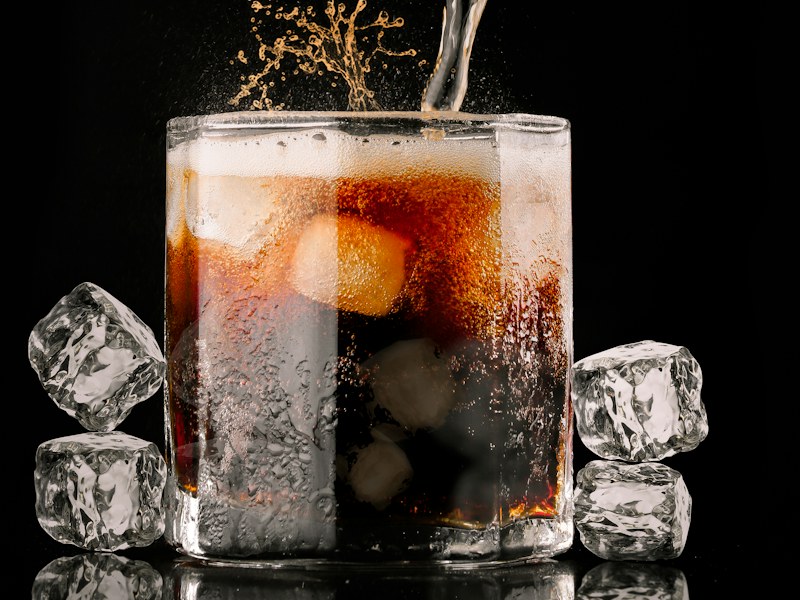
Soft drinks raise additional questions beyond caffeine. Several observational studies have linked frequent cola consumption with lower bone mineral density, particularly in women. Researchers have proposed a few possible explanations:
1. Phosphoric acid
Colas often contain phosphoric acid. Some scientists suggest that high phosphorus intake combined with low calcium intake may disrupt the balance the body uses to maintain bone. The evidence is not fully conclusive, but the calcium-to-phosphorus ratio of the overall diet appears to matter.
2. Milk displacement
One of the strongest explanations is simple substitution. When children and teens drink soda instead of milk or fortified alternatives, their total calcium intake drops. Over years, this can affect how much bone they build during critical growth periods.
3. Sugar and overall diet quality
Sugary drinks provide calories without useful nutrients. Diets high in sugary beverages tend to be lower in fruits, vegetables, and calcium-rich foods. Excess sugar intake may also influence calcium excretion.
Read more: Does Sugar Stunt Growth? The Truth You Need to Know
Why Children and Teenagers Need Extra Caution
Childhood and adolescence are the years when bones gain mass most rapidly. Most peak bone mass is built by the late teens and early twenties, and this “bone bank” helps protect against osteoporosis later in life. Heavy consumption of caffeinated soft drinks and energy drinks during these years can be problematic because:
- They often replace milk and other nutrient-rich drinks
- Caffeine can disrupt sleep, which is important for growth hormone release and recovery
- Energy drinks may contain very high caffeine levels unsuitable for young people
- Sugary drinks contribute to excess weight and poor dental health
Many pediatric organizations advise that children and adolescents avoid energy drinks altogether and limit caffeinated beverages.
Read more: Peak Bone Mass: Why Your Early Years Matter for Lifelong Bone Health
What About Tea?
Tea contains caffeine, but generally less than coffee. Interestingly, some studies have found that regular tea drinkers have similar or even slightly higher bone density compared with non-drinkers, possibly due to plant compounds such as flavonoids. Tea is also a good choice for hydration when consumed without large amounts of added sugar.
Simple Ways to Protect Your Bones
You do not have to give up your favorite drinks entirely. Instead, consider these balanced strategies:
- Keep caffeine moderate. Stay within recommended limits and avoid caffeine late in the day to protect sleep.
- Add calcium to your coffee. A latte or coffee with milk or fortified plant milk adds calcium that offsets small losses.
- Make soda an occasional treat. Choose water, sparkling water, milk, or unsweetened tea for everyday hydration.
- Meet your daily calcium needs. Include dairy or fortified alternatives, leafy greens, tofu, almonds, and canned fish with bones.
- Get enough vitamin D. Vitamin D helps your body absorb the calcium you consume.
- Stay active. Weight-bearing exercise strengthens bone regardless of beverage choices.

Healthy Drink Swaps
| Instead of | Try |
|---|---|
| Cola with lunch | Sparkling water with lemon or a glass of milk |
| Energy drink before exercise | Water and a small banana or yogurt |
| Third cup of black coffee | Decaf latte or herbal tea |
| Sweetened iced tea | Unsweetened tea with fresh fruit slices |
For more ideas, see Best Drinks to Support Healthy Growth.
Conclusion
Caffeine and soft drinks are not automatically harmful to your bones, but how much you drink and what those beverages replace both matter. Moderate coffee or tea consumption has little effect when calcium intake is adequate. Heavy soda and energy drink consumption, particularly among children and teenagers, may contribute to lower calcium intake and weaker bones over time. By keeping caffeine in check, choosing nutrient-rich drinks more often, and meeting your calcium and vitamin D needs, you can enjoy your favorite beverages while still supporting a strong skeleton.
This article provides general health information and should not be used as a substitute for professional medical advice.
