
Blog
The Difference Between Synthetic and Natural Vitamins: Which One Should You Choose?

Th8
In modern life, vitamins have become a powerful aid in maintaining health and strengthening immunity. However, many people still wonder about the difference between synthetic and natural vitamins: Which is better? Which is more suitable for the body’s needs? Let’s explore the difference between synthetic and natural vitamins in this article.
What are natural vitamins?
Natural vitamins are vitamins found in whole foods such as leafy greens, fruits, whole grains, meat, fish, eggs, milk… When you eat a diverse and balanced diet, your body will absorb vitamins from these sources.
Advantages:
Easier to absorb thanks to the presence of fiber, enzymes, and minerals.
Less likely to cause side effects.
Provide broader health benefits, not only delivering vitamins but also other nutrients.

Disadvantages:
- Require a diverse and balanced diet to provide enough vitamins.
- Some vitamins may be lost during cooking.
- For busy or picky eaters, it’s difficult to meet daily needs.
What are synthetic vitamins?
Synthetic vitamins (also known as dietary supplements) are produced in laboratories and can come in the form of tablets, capsules, powders, or liquids. These products often contain multiple vitamins and sometimes added minerals.
Advantages:
- Convenient and easy to use.
- Provide quick supplementation when the body is deficient.
- Often formulated for specific needs: children, pregnant women, the elderly…
Disadvantages:
- Some synthetic vitamins are harder to absorb compared to natural ones.
- Risk of overdose if not taken at the correct dosage.
- Quality depends on the brand, making it easy to encounter low-quality products.

The difference between synthetic and natural vitamins
On the market today, vitamins are divided into two main groups: natural vitamins and synthetic vitamins. While both provide health benefits, each type has distinct characteristics in terms of origin, absorption, safety, convenience, and nutritional value. Understanding the difference will help you choose the one that best suits your needs. Below is the difference between synthetic and natural vitamins based on each criterion.
See more:
- The Powers of Whey Protein: The Secret to A Taller, Stronger, and Healthier Body
- The Dangers of Stunted Growth: Don’t Underestimate It!
– Origin
Natural vitamins are extracted directly from foods such as vegetables, fruits, or herbs, so they retain their original natural structure and nutrients. Meanwhile, synthetic vitamins are manufactured in laboratories from chemical compounds to create versions that mimic natural vitamins. Therefore, this different starting point also leads to differences in quality and effectiveness when used.

– Absorption
Many people often ask which type of vitamin is easier to absorb — the answer is natural vitamins. Natural vitamins usually come with enzymes, minerals, and other bioactive compounds that support the body in recognizing and absorbing them more efficiently. In contrast, synthetic vitamins can still provide nutrients, but their bioavailability is sometimes lower because they lack these natural cofactors. This makes the body’s absorption less than optimal.
– Safety
Natural vitamins are generally safer because they come directly from food sources and rarely cause significant side effects. On the other hand, synthetic vitamins, if used in high doses or over a long period, may lead to excess intake, potentially affecting the liver, kidneys, or causing digestive issues. However, synthetic vitamins are quite safe when used properly. Therefore, with synthetic vitamins, strictly following the recommended dosage is extremely important.
– Convenience and storage
This is also one of the key differences between synthetic and natural vitamins. The strength of synthetic vitamins lies in convenience: they can be mass-produced, are reasonably priced, have a longer shelf life, and are highly suitable for busy individuals. Natural vitamins, on the other hand, often have a shorter shelf life, are harder to store, and are not always readily available. However, the “freshness” of natural vitamins offers better overall health value.

– Nutritional value
Natural vitamins not only provide vitamins but also deliver additional bioactive compounds, antioxidants, and minerals that nourish the body more comprehensively. In contrast, synthetic vitamins often focus on one or a few specific types, so their nutritional diversity is more limited. However, in recent years, manufacturers have introduced multivitamin supplements that combine many essential vitamins and minerals. This way, you don’t need to take multiple different products at once and can still supply your body with sufficient micronutrients.
Should you choose natural or synthetic vitamins?
Many people often ask whether synthetic vitamins are good or which type of vitamin should be taken to become healthier or taller. In reality, there is no one type of vitamin that is absolutely “better”; the choice depends on each person’s needs and circumstances. The decision should be based on the difference between synthetic and natural vitamins as well as your own requirements.
Specifically, if you want to supplement nutrients in a natural, safe, and comprehensive way, vitamins from food or natural extracts are certainly the ideal choice. They help the body absorb better and carry fewer long-term risks.

However, synthetic vitamins have the advantage of convenience and quick replenishment. For busy individuals, those who find it hard to maintain a balanced diet, or people in periods requiring rapid supplementation (such as after illness, nutritional deficiency, or pregnancy), synthetic vitamins are the more practical solution.
The key is to combine both: prioritize a diet rich in natural vitamins while using synthetic vitamins only when truly necessary. And before adding any type of vitamin, it’s always best to consult a healthcare professional to choose the right kind, the right dosage, and supplement vitamins the right way that suits your health.
Conclusion
The difference between synthetic and natural vitamins may leave you uncertain about which to choose. Whether you opt for natural or synthetic vitamins, the most important thing is to use them correctly and according to your body’s needs. If you are particularly focused on supplementing nutrition to strengthen bones and joints and support height growth, trusted products will always be the reliable choice.
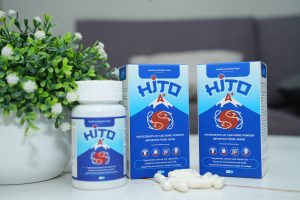
Among them, Canxi Hito features an easy-to-absorb formula that effectively supplements calcium, making it suitable for various ages in need of stronger bones. In particular, Hito Tall – a height growth support product manufactured in the USA – has been deeply researched with a combination of calcium, vitamin D3, MK7, and many other nutrients that promote height development. This is a safe and convenient solution for those who want to improve stature, especially during growth stages.
We hope this article has helped you clearly understand the difference between synthetic and natural vitamins. That said, it’s best to prioritize a healthy diet, balanced lifestyle, and don’t forget to choose premium supplements like Canxi Hito and Hito Tall to accompany you on your journey to better health and achieving your height goals. Feel free to contact us anytime for expert nutritional advice tailored to your needs.
