
Blog
The Powers of Whey Protein: The Secret to A Taller, Stronger, and Healthier Body

Th8
In the world of fitness and sports nutrition, the powers of whey protein have long been recognized as an essential factor in the journey of building physique and improving health. But how exactly does whey protein work? Why is it so widely trusted? Should you use whey protein or not? Let’s find out in the article below.
What is whey protein?
To understand the powers of whey protein, we first need to see what kind of supplement it is. Whey protein is a type of sports nutrition supplement that provides high-quality protein extracted from milk during the cheese-making process. It is a fast, easily absorbed source of protein containing all the essential amino acids the body needs.
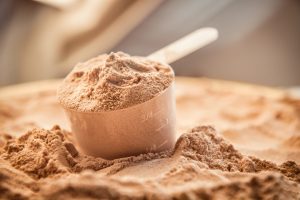
There are 3 main forms of whey protein:
– Whey Protein Concentrate (WPC): Protein content around 70–80%, contains a small amount of lactose and fat.
– Whey Protein Isolate (WPI): More purified, contains over 90% protein, almost no lactose and fat.
– Whey Protein Hydrolysate (WPH): Hydrolyzed, allowing faster absorption, suitable for people with sensitive digestive systems.
The powers of whey protein for the body
Whey protein is not just a common supplement in the bodybuilding community – it is also a comprehensive source of nutrition for everyone, from those wanting to build muscle, lose fat, to those needing health recovery. Beyond its well-known benefits, few know that the powers of whey protein can also contribute to supporting height growth, especially during puberty or physical development stages.
See more:
- The Dangers of Stunted Growth: Don’t Underestimate It!
- The Best Nutrition for Teen Growth – The Role of Nutrition for Teenagers
– Supports muscle building
Whey protein contains a high amount of essential amino acids, especially leucine – a key factor that stimulates protein synthesis in muscles. This helps increase lean muscle mass, enhance workout performance, and promote recovery after exercise. That’s why whey protein for muscle growth is considered a “powerful assistant” for every gym-goer.

– Body recovery after workouts
After intense training, the body needs to repair damaged muscle tissue. Whey protein helps accelerate this process, reduce soreness and fatigue, while also supporting energy maintenance for the next training sessions.
– Supports fat loss and weight control
Whey protein is a powerful tool in the fat-loss journey thanks to its ability to create a longer-lasting feeling of fullness, reduce cravings, and effectively control calories. With its high protein content, low sugar, and low fat, whey helps maintain lean muscle mass – an important factor to keep a toned physique while losing weight. As a result, users can lose fat without losing muscle, maintaining a healthy and balanced body in the long run.

– Improves health and immunity
Not only focusing on muscle building, the powers of whey protein also lie in its ability to enhance overall health. Whey contains bioactive compounds such as lactoferrin and immunoglobulins that help strengthen the immune system, reduce inflammation, and fight free radicals. In addition, whey also helps repair tissues quickly, improve insulin sensitivity, and support blood sugar control after meals since the effects of whey protein on the body are quite diverse and comprehensive.
Whey protein and its role in supporting height growth
Besides its role in muscle building and recovery, the powers of whey protein also play an important role in height development, especially in children, teenagers, and those still in their physical growth stage.

– Protein – The essential foundation for bone development
Height cannot grow optimally if the body lacks protein, so experts often recommend that adolescents supplement protein to increase height. Whey protein is a high-quality protein source, rich in essential amino acids such as lysine, arginine, and leucine – all necessary for collagen synthesis, building cartilage, and increasing bone density. A strong skeletal system is the foundation for sustainable height growth.
– Stimulates natural growth hormone (GH)
Whey protein supports the body in producing growth hormone by providing sufficient nutrition and improving the quality of deep sleep – the period when GH is secreted the most. A protein-rich diet, especially from whey, helps boost natural GH production, thereby effectively supporting bone elongation.
– Supports absorption of height-boosting nutrients
Whey protein also helps improve the absorption of other important micronutrients such as calcium, magnesium, vitamin D3, and K2 – essential nutrients for bone formation and height development. When combined with height growth supplements, the effectiveness can be doubled thanks to optimal nutritional synergy. This is the best nutritional approach for adolescent growth.

– Suitable for a height-increasing workout routine
Exercise, especially activities like jumping rope, swimming, or pull-ups, helps stimulate bone ends to grow. Supplementing with whey protein after workouts not only supports faster recovery but also provides building materials for bone and cartilage tissue, contributing to natural height growth.
Guidelines for effective whey protein use
To maximize the powers of whey protein, timing and dosage are crucial. Below are the most effective ways to use whey protein properly:
– After workouts (Post-workout)
This is the golden time to supplement whey, helping the body absorb amino acids quickly, recover, and regenerate muscle. Drinking 1 scoop of whey (about 20–25g protein) within 30 minutes after training helps optimize muscle development and improve workout performance.

– In the early morning
After a long night without food, the body needs immediate energy and nutrients. A glass of whey protein in the morning helps quickly replenish protein, support metabolism, and prevent muscle loss at the start of the day.
– Between meals or as a snack replacement
Whey can be used as a convenient and healthy snack, helping maintain energy and satiety. It is especially useful for people who want to lose weight or increase daily protein intake without consuming too much meat/fish.
– Combined with other foods
You can mix whey with water, milk, smoothies, or blend it with oats and chia seeds to boost nutrients and flavor. Smart combinations help improve absorption and make it easier to drink, especially for beginners.

– Correct dosage, correct type of whey
The average person should only use 1–2 scoops/day (depending on protein needs in the diet). For those training at high intensity or aiming to build muscle: 1.5–2.5 scoops/day. At the same time, choose the right whey: Whey concentrate if you are not lactose intolerant, or whey isolate/hydrolysate if you need a purer, more easily digestible type.
Conclusion
Not only does it support muscle gain, recovery, and improved health, the powers of whey protein also play a positive role in height development – especially when combined with a scientific diet and proper exercise. Supplementing with whey correctly and at the right time is a smart solution to optimize height growth potential in adolescents and teenagers.
However, if you want to accelerate height growth more comprehensively, consider using specialized products containing nutrients such as nano calcium, vitamin D3, K2, collagen type II, and other bone–joint support ingredients like Hito.

Hito not only provides essential nutrients for strong bone development but is also formulated to work well with whey protein and modern training routines. The product is suitable for children from 6 years old, adolescents, and even adults who are still in their growth phase.
