
Blog
Why Is Calcium Essential for Healthy Bones?
Th8
When people think about strong bones, calcium is often the first nutrient that comes to mind. And for good reason.
Calcium is the most abundant mineral in the human body, with most of it stored in the bones and teeth. It provides an important structural component of the skeleton while also supporting several essential functions throughout the body.
But calcium does much more than simply “make bones strong.” Your body constantly uses and replenishes calcium as part of a natural process called bone remodeling.
So why is calcium so important, especially for adults? How much do you need? And can calcium supplements help support healthy bones?
Let’s explore the science behind this essential mineral.
What Is Calcium?
Calcium is an essential mineral that the body cannot produce on its own.
It must come from food or, when necessary, supplements.
Approximately 99% of the body’s calcium is stored in bones and teeth, where it contributes to their structure and strength. The remaining calcium is found in the blood and soft tissues, where it plays important roles in muscle contraction, nerve signaling, and other biological processes.
Because calcium is involved in so many functions, the body carefully regulates calcium levels in the bloodstream.
When dietary calcium intake is insufficient, the body can draw calcium from bones to help maintain normal blood calcium levels.
This is one reason adequate calcium intake is important throughout life.
How Does Calcium Support Bone Health?
Calcium contributes to the mineralization of bone tissue.
Your bones are not simply solid structures. They are living tissues that continuously change.
Throughout your life, old bone is broken down and replaced with new bone through bone remodeling.
Calcium is an important component of the mineral matrix that gives bones their hardness.
A healthy balance between bone formation and bone breakdown helps maintain skeletal strength.
Calcium During Childhood and Adolescence
Childhood and adolescence are particularly important periods for bone development.
During these years, the skeleton grows rapidly and accumulates bone mass.
Adequate calcium intake, together with vitamin D, protein, physical activity, and other nutrients, helps support normal skeletal development.
The goal isn’t simply to consume as much calcium as possible.
The goal is to provide the body with enough calcium to support normal growth and development.
Read more: Best Nutrients for Height Growth: What Your Body Needs
Why Is Calcium Important for Adults?
It is a common misconception that calcium is mainly important for children.
Adults need calcium too.
Even after height growth has stopped, your bones remain active living tissue.
Bone remodeling continues throughout adulthood, meaning the body constantly removes older bone tissue and replaces it with new tissue.
Maintaining adequate calcium intake helps provide the mineral needed for this ongoing process.
As people age, preserving bone health becomes increasingly important because bone density can gradually decline.
Calcium and Bone Density
Bone density refers to the amount of mineral contained within a certain volume of bone.
Higher bone density generally indicates stronger, more mineralized bones.
Several factors influence bone density, including:
- Genetics
- Age
- Hormones
- Physical activity
- Calcium intake
- Vitamin D status
- Protein intake
- Overall nutrition
Calcium is therefore an important part of a much larger picture of bone health.
Simply taking calcium while ignoring exercise, vitamin D, nutrition, and lifestyle habits is unlikely to provide the best overall approach.
Calcium Needs Vitamin D
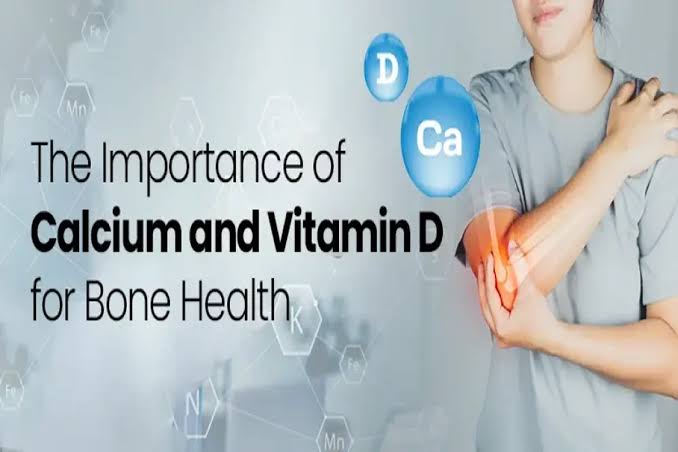
Calcium and vitamin D are closely connected.
Vitamin D helps the intestines absorb calcium from food and contributes to maintaining normal calcium levels in the body.
If vitamin D intake or status is inadequate, the body may have more difficulty absorbing calcium efficiently.
This is why calcium and vitamin D are frequently discussed together when talking about bone health.
Sources of vitamin D include:
- Sunlight
- Fatty fish
- Egg yolks
- Fortified foods
- Supplements when appropriate
The Role of Vitamin K2
Vitamin K is also involved in normal bone metabolism.
Certain vitamin K-dependent proteins are involved in the proper use of calcium within bone tissue.
Vitamin K2 is therefore often included in nutritional approaches designed to support bone health alongside calcium and vitamin D.
However, healthy bones require more than these three nutrients alone.
A balanced diet remains the foundation.
Calcium and Protein Work Together
Protein is another important component of healthy bones.
Bone contains a protein-based framework, including collagen, that provides a structural foundation for mineral deposition.
Protein also helps maintain muscle mass.
Strong muscles support balance and physical function, which are important components of an overall bone-health strategy.
Good sources of protein include:
- Eggs
- Fish
- Poultry
- Lean meat
- Milk and yogurt
- Beans
- Lentils
- Tofu
- Nuts and seeds
Best Food Sources of Calcium
Many people can obtain adequate calcium through a varied diet.
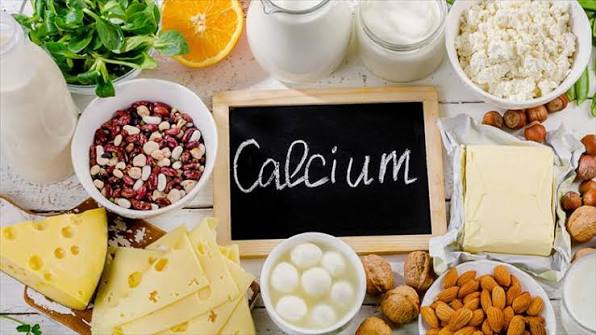
Common calcium-rich foods include:
Dairy Products
Milk, yogurt, and cheese are among the most convenient sources of dietary calcium.
Fortified Plant-Based Drinks
Some soy, almond, oat, and other plant-based beverages are fortified with calcium.
Always check the nutrition label because calcium content varies between products.
Tofu
Some types of tofu are made using calcium salts and can provide a significant amount of calcium.
Leafy Green Vegetables
Certain leafy greens contribute calcium, although the amount absorbed by the body varies depending on the specific vegetable.
Fish
Fish eaten with edible bones, such as canned sardines, can be an excellent source of calcium.
How Much Calcium Do Adults Need?
Calcium requirements vary depending on age, sex, and life stage.
For many healthy adults, the recommended daily intake is around 1,000 mg per day.
Women over 50 and adults over 70 generally have higher recommended intakes of around 1,200 mg per day.
However, individual needs can vary.
The best approach is to consider your overall diet and nutritional circumstances rather than automatically taking large amounts of calcium.
Can You Get Enough Calcium from Food?
Yes.
Many people can meet their calcium requirements through a balanced diet.
For example, a daily eating pattern that includes dairy products or fortified alternatives, calcium-rich foods, and a variety of vegetables can provide substantial amounts of calcium.
However, some people may struggle to consume enough because of:
- Dietary restrictions
- Food allergies
- Lactose intolerance
- Low appetite
- Busy lifestyles
- Limited access to calcium-rich foods
In these situations, supplementation may be useful.
Read more: The Power of Collagen in Bone Flexibility and Height Support
When Might a Calcium Supplement Be Helpful?
Calcium supplements can help fill nutritional gaps when dietary calcium intake is insufficient.
They may be particularly convenient for adults who have difficulty consistently consuming calcium-rich foods.
However, supplements should complement—not replace—a healthy diet.
It’s also important to avoid unnecessarily high calcium intake.
If you have a medical condition, take medications, or are unsure about your calcium requirements, consult a healthcare professional before starting supplementation.
Calcium and Adult Height
One question frequently searched online is:
“Can calcium make adults taller?”
The answer is no.
Calcium supports normal bone development and maintenance, but it cannot make long bones longer after growth plates have closed.
For adults, the role of calcium is primarily related to maintaining healthy bones rather than increasing height.
This distinction is particularly important when evaluating products marketed as “height growth supplements.”
A responsible approach focuses on supporting overall bone health rather than making unrealistic promises about adult height.
Can Calcium Help Prevent Age-Related Bone Loss?
Adequate calcium intake is one component of maintaining bone health as you age.
However, bone strength depends on many factors.
A comprehensive bone-health strategy includes:
- Adequate calcium
- Sufficient vitamin D
- Regular weight-bearing exercise
- Resistance training
- Adequate protein
- Healthy body weight
- Avoiding smoking
- Limiting excessive alcohol consumption
No single nutrient can replace these healthy habits.
Calcium and Exercise
Exercise and calcium work together as part of a healthy lifestyle.
Weight-bearing activities such as walking, jogging, hiking, dancing, and resistance training place healthy mechanical stress on bones.
This encourages the body to maintain and adapt bone tissue.
For adults, combining regular physical activity with adequate calcium and vitamin D provides a more complete approach to supporting skeletal health.
Common Calcium Myths
Myth 1: More Calcium Is Always Better
Not necessarily.
The body needs an appropriate amount of calcium, not unlimited amounts.
Excessive supplementation can be inappropriate and may cause health problems in certain circumstances.
Myth 2: Calcium Is Only for Older People
Calcium is important at every stage of life—from childhood bone development to maintaining skeletal health in adulthood.
Myth 3: Calcium Alone Keeps Bones Strong
Healthy bones require a combination of nutrients, physical activity, hormones, and lifestyle factors.
Myth 4: Calcium Makes Adults Taller
Calcium does not increase adult height after growth plates have closed.
It supports healthy bones, not additional bone length.
Supporting Daily Bone Health with Hito Calcium
For adults who find it difficult to consistently meet their calcium needs through food, Hito Calcium provides a convenient option for incorporating calcium into a daily wellness routine.
The goal is not to promise additional adult height. Instead, Hito Calcium can be positioned as part of a broader approach to supporting normal bone health and maintaining an active lifestyle.
For the best results from any nutritional supplement, combine it with a balanced diet, regular exercise, sufficient sleep, and other healthy lifestyle habits.
How to Build a Bone-Friendly Lifestyle
Supporting your bones doesn’t have to be complicated.
Start with these simple habits:
Eat calcium-rich foods regularly.
Include dairy products, fortified alternatives, tofu, leafy greens, and other calcium-containing foods.
Get enough vitamin D.
Spend appropriate time outdoors and include vitamin D-rich foods in your diet.
Stay physically active.
Combine weight-bearing activities with strength training.
Eat enough protein.
Protein supports both muscle and bone health.
Maintain a healthy lifestyle.
Avoid smoking, limit excessive alcohol, and prioritize good sleep.
Use supplements thoughtfully.
If your diet does not provide enough calcium, a supplement may help fill the gap.
Final Thoughts
Calcium is essential for healthy bones throughout life.
During childhood and adolescence, it supports normal skeletal development. During adulthood, it contributes to maintaining the mineral structure of bones as the skeleton continuously remodels.
But calcium doesn’t work alone.
Vitamin D, vitamin K, protein, magnesium, phosphorus, physical activity, and overall lifestyle all contribute to healthy bones.
For adults, the goal shouldn’t be to search for a supplement that promises to make you taller. Instead, focus on maintaining strong bones, good posture, physical strength, and long-term skeletal health.
A balanced diet combined with healthy habits—and appropriate supplementation when needed—can provide a strong foundation for lifelong bone wellness.
Frequently Asked Questions
Why is calcium important for bones?
Calcium is a major mineral component of bones and contributes to normal bone structure and strength.
How much calcium do adults need?
Many healthy adults need around 1,000 mg of calcium per day, while some older adults have higher recommended intakes. Individual requirements can vary.
Does vitamin D help calcium absorption?
Yes. Vitamin D helps the body absorb calcium from the digestive tract and supports normal calcium metabolism.
Can calcium make adults taller?
No. Calcium cannot increase the length of bones after growth plates have closed. It supports healthy bones and normal bone maintenance.
Is it better to get calcium from food or supplements?
Food is generally the preferred source. Supplements can be useful when dietary intake is insufficient or when recommended by a healthcare professional.
Is calcium important after age 30?
Yes. Bones continue to remodel throughout adulthood, so maintaining adequate calcium and other bone-supporting nutrients remains important as you age.
