
Blog
Can You Really Increase Your Height After Puberty? – The Answer Will Shock You

Th8
Height growth is always a big concern, especially for those who didn’t reach their desired height during puberty. But can you really increase your height after puberty? This is a question many people wonder about – especially young adults over 18 or even grown-ups looking for ways to improve their physique. Let’s explore the scientific truth, along with safe and natural methods that may help you gain extra height even after puberty.
Can You Really Increase Your Height After Puberty? What Science Says
Many people believe that once you’re past puberty – around 18 to 20 years old – your height stops growing completely. However, that’s not entirely true. The potential for growth after puberty depends on the condition of your growth plates in the bones. If these plates haven’t fully closed yet, your body still has a chance to grow taller, although the rate will be much slower compared to puberty.
In addition, height is not only determined by genetics but is also strongly influenced by nutrition, sleep, physical activity, and growth hormones. If you’re between 18 and around 22–25 years old, there’s still potential for growth – especially if you haven’t maximized your lifestyle and diet before. For some individuals, growth plates may close later, making it possible to gain an extra 2–5 cm with the right methods.

In general, if you’re still wondering “can you really increase your height after puberty?” the answer is YES – you can still grow taller after 18. While it’s no longer the “golden stage” like puberty, combining the right factors (which we’ll cover below) can help you improve your height naturally in a safe and scientific way, even after puberty.
Factors That Affect Height After Puberty
After puberty, the potential for growth is still there, but not everyone can fully take advantage of it because several factors directly influence height development. One of the most important is the condition of the growth plates at the ends of the bones. If these plates remain open and not fully ossified, the bones can still lengthen, allowing for further height gain. On the other hand, if the plates have closed, significant height growth becomes nearly impossible.
See more:
- How To Choose The Right Vitamins and Supplements: Tips for Effective Height Growth
- How Nutrition Affects Height Growth? Discover the Role of Nutrition
Another crucial factor is growth hormone (GH) along with related hormones such as thyroid hormones, testosterone, and estrogen. These play a vital role in stimulating bone development and supporting natural height growth after puberty. However, hormone levels—especially GH—naturally decline as you get older, slowing down the growth rate. The good news is that by maintaining a healthy lifestyle—regular exercise, proper sleep, and balanced nutrition—you can stimulate natural growth hormone production, which may help enhance height even beyond puberty.
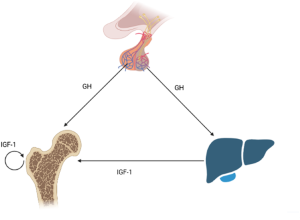
The final factor, which is very close to daily life, and if you understand it well, you won’t have to wonder whether you can really grow taller after puberty — is nutrition. Nutrition continues to play a key role in supporting height growth after puberty. The body needs a sufficient supply of minerals and vitamins such as calcium, magnesium, zinc, vitamin D3, vitamin K2, and collagen — nutrients that help increase bone density and improve bone and joint health.
If your diet is lacking or unbalanced, it will be very difficult to improve height, even if you apply other methods. Therefore, maintaining a proper nutrition plan combined with regular exercise and healthy rest is the key factor to maximizing height potential in the post-puberty stage.
What to do to increase height after puberty?
Now that you know the answer to the question of whether you can really grow taller after puberty, and you also understand the factors that can support height gain after 18, it’s clear that by sticking to these factors, you can still add 2–5 cm in height.
– Exercise properly
After puberty, regular exercise is one of the most effective and safe ways to stimulate growth hormone production. Suitable exercises include swimming, jogging, cycling, yoga, hanging, and full-body stretching. These movements help improve posture, reduce spinal pressure, and support maintaining optimal height.

Exercise should be performed for at least 30–45 minutes daily, preferably in the early morning or late afternoon. Maintaining a regular exercise routine not only benefits height growth but also increases stamina, improves sleep quality, and reduces stress — all factors that indirectly influence overall body development. It is important to choose exercises suitable for your body condition and to maintain long-term consistency.
– Nutrition supports height improvement
Even after puberty, bones still require plenty of nutrients to maintain and grow. Calcium, vitamin D3, vitamin K2, magnesium, zinc, and collagen type II are essential components for bone formation, mineralization, and protection. A deficiency in any of these nutrients can slow down or reduce the effectiveness of height development.
You can obtain these nutrients through a balanced diet with calcium-rich foods (milk, cheese, salmon), green vegetables, eggs, soy products, or use high-quality height-enhancing supplements for adults. Additionally, if your daily diet does not provide enough, supplements specifically designed to support post-puberty height growth can help provide all the essential nutrients, especially for those still having the potential to gain a few extra centimeters.

– Deep and sufficient sleep
For those wondering if you can really increase your height after puberty, sleep is just as important as nutrition. Sleep is a critical time for the body to regenerate and produce growth hormone (GH) — the hormone that directly affects height. GH is secreted most actively between 11 PM and 2 AM during deep sleep. Therefore, sleeping on time and getting 7–9 hours of quality sleep per night is essential to support height development.
Regular lack of sleep or late-night habits can reduce GH levels, slowing down bone and muscle tissue growth. To improve sleep quality, try turning off electronic devices at least 30 minutes before bed, keep your bedroom quiet and cool, and maintain a consistent bedtime routine. Quality sleep not only supports safe height growth in adults but also promotes overall health and mental alertness.

– Maintain proper posture
Poor posture, such as slouching, hunching, or sitting with a curved back for long periods, can make you appear 2–3 cm shorter than your actual height. Beyond affecting your appearance, bad posture places uneven pressure on the spine and discs, potentially causing back pain or skeletal misalignment over time. Maintaining proper posture in daily life is therefore crucial to “preserve” and “optimize” your real height.
Develop the habit of sitting and standing straight, keeping your neck and shoulders in a natural position. When studying or working, choose chairs and desks that fit your body height to avoid bending forward. Additionally, perform light stretching exercises at the end of the day to relax the spine and readjust posture. These small habits, if maintained consistently, can significantly improve your physique and support height development.

Things to avoid for height improvement after puberty
To maximize height development after puberty, you need to avoid habits that hinder the natural growth of bones. One common harmful factor is staying up late regularly, which significantly reduces growth hormone production. Additionally, poor nutrition, skipping meals, and overconsumption of fast food can limit the absorption of essential nutrients for bones and cartilage.
Moreover, lack of exercise, poor posture, or carrying backpacks/working asymmetrically over time can deform the spine, making you appear shorter than your actual height. The use of alcohol, tobacco, or stimulants also negatively affects hormone production and bone health. Therefore, to effectively increase height after puberty, proactively eliminate bad habits and replace them with a scientific, active lifestyle.

In summary, if you’re wondering can you really increase your height after puberty? the answer is YES. Increasing height after puberty is not impossible—if you understand your body, remain consistent with a scientific lifestyle, and follow the right methods. Proper nutrition, regular exercise, quality sleep, and correct posture are foundational factors that give your bones a chance to grow even after puberty has ended. While the growth rate is slower than during adolescence, optimizing all these factors can allow an additional 2–5 cm increase in height.
One effective support solution is choosing specialized bone supplements—such as Hito Tall, manufactured in the USA with a formula rich in calcium, vitamin D3, K2, vitamin A, B vitamins, iron, zinc, magnesium, and omega-3. Hito Tall not only nourishes strong bones but also supports height development for late teens and adults who still have growth potential. Contact us now for nutritional advice and a height-increase plan!
