
Blog
Foods That Support Bone Development: A Practical Guide to Stronger Bones
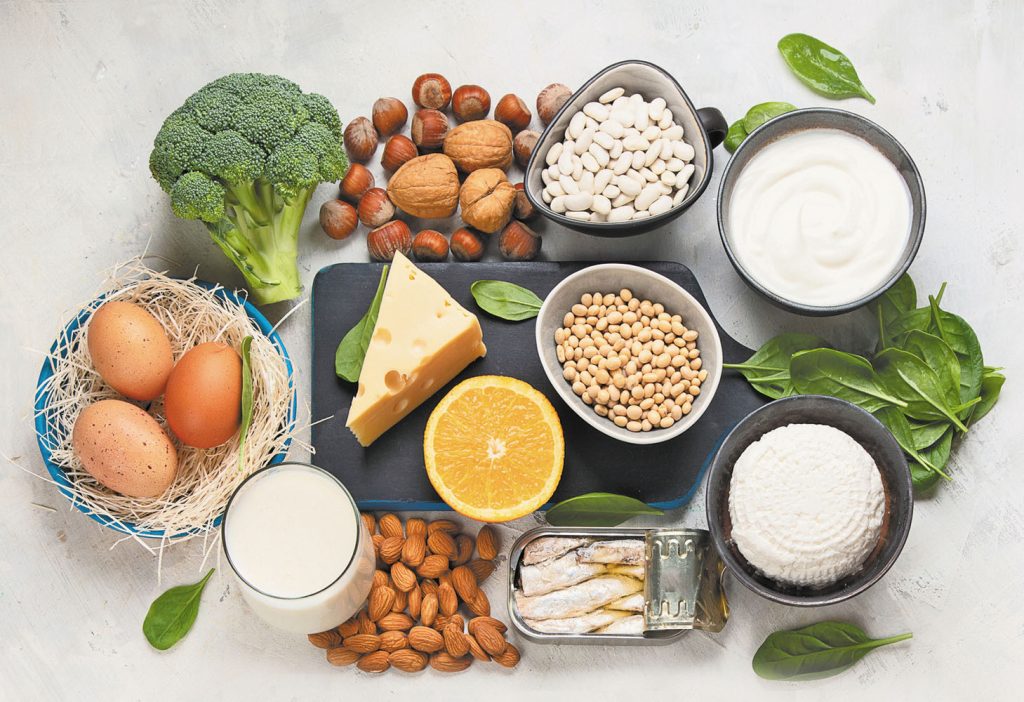
Th8
Your skeleton is constantly changing throughout life, and the food you eat provides many of the nutrients your body needs to build, maintain, and repair bone tissue.
This is especially important during childhood and adolescence, when bones grow rapidly and the body builds much of its peak bone mass. But nutrition remains important during adulthood because bones continue to remodel throughout life.
While no single food can make someone taller or override genetic potential, a balanced diet can provide the nutrients needed for normal skeletal development and long-term bone health.
So, what should you eat if you want to support stronger bones?
Let’s explore the most important foods and nutrients.
Why Does Nutrition Matter for Bone Health?
Bones are living tissues made from a combination of minerals, proteins, and other biological components.
Several nutrients contribute to normal bone development and maintenance, including:
- Calcium
- Vitamin D
- Protein
- Magnesium
- Phosphorus
- Vitamin K
- Zinc
- Vitamin C
These nutrients don’t work independently.
For example, calcium contributes to the mineral structure of bone, vitamin D helps regulate calcium absorption and metabolism, and protein provides part of the structural framework of bone.
This is why a varied diet is more beneficial than focusing on one particular “bone-strengthening” food.
1. Milk and Dairy Products
Milk is one of the most familiar sources of calcium.
It also provides protein and, depending on the product, may be fortified with vitamin D.
Other dairy products can also contribute calcium:
- Yogurt
- Cheese
- Kefir
- Cottage cheese
Including dairy products in a balanced diet can make it easier to meet daily calcium requirements.
For people who are lactose intolerant, lactose-free dairy products can provide similar nutritional benefits.
2. Calcium-Fortified Plant-Based Drinks
If you don’t consume dairy, fortified plant-based beverages can be useful alternatives.
Depending on the product, fortified:
- Soy milk
- Almond milk
- Oat milk
- Pea milk
may contain significant amounts of calcium.
However, not every plant-based drink is fortified.
Always check the nutrition label to see how much calcium and vitamin D the product provides.
3. Yogurt
Yogurt is a convenient source of calcium and protein.
Some varieties also contain vitamin D if they have been fortified.
Yogurt can be included in breakfast, snacks, smoothies, or desserts.
For a bone-friendly option, choose varieties that fit your overall nutritional needs and avoid relying heavily on products with large amounts of added sugar.
4. Cheese
Cheese can provide substantial amounts of calcium in relatively small portions.
Different cheeses contain different amounts of calcium, so nutritional content varies.
Cheese also provides protein and other nutrients.
Because some cheeses are high in saturated fat and sodium, portion size and overall dietary balance still matter.
5. Tofu
Tofu can be an excellent plant-based source of calcium when it is made using calcium salts.
It also provides protein, making it particularly useful for people following vegetarian or plant-based diets.
Check the nutrition label because calcium content varies significantly between tofu products.
6. Sardines and Other Fish with Edible Bones
Certain fish can provide both protein and calcium.
Canned sardines and similar fish are particularly useful because their soft edible bones contain calcium.
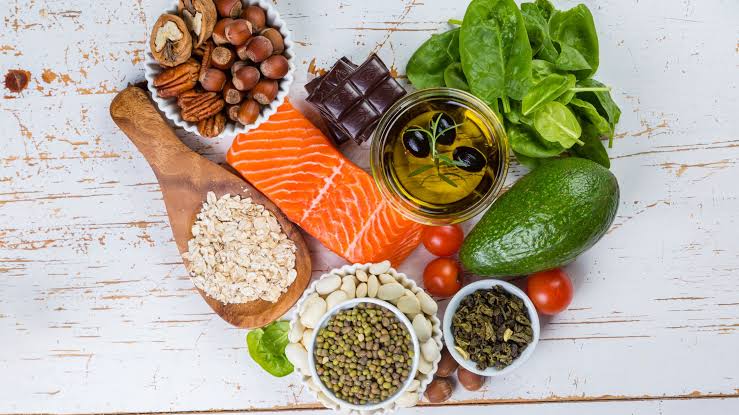
Fatty fish such as salmon can also provide vitamin D and omega-3 fatty acids, depending on the variety.
Including fish in a balanced diet can therefore support several aspects of overall nutrition.
7. Leafy Green Vegetables
Dark leafy greens can provide calcium, vitamin K, magnesium, and other micronutrients.
Examples include:
- Kale
- Bok choy
- Collard greens
- Broccoli
- Spinach
However, the amount of calcium absorbed by the body differs between vegetables.
For example, some vegetables contain compounds that reduce calcium absorption.
This doesn’t mean they should be avoided. It simply highlights why eating a variety of vegetables is important.
8. Beans and Lentils
Beans and lentils are nutrient-dense foods that provide:
- Protein
- Magnesium
- Phosphorus
- Zinc
- Other essential nutrients
They can also contribute to a healthy overall dietary pattern.
Examples include:
- Black beans
- Kidney beans
- Chickpeas
- Lentils
- Soybeans
They are especially useful for people who rely more heavily on plant-based foods.
9. Nuts and Seeds
Nuts and seeds provide a combination of minerals, protein, healthy fats, and other nutrients.
Good options include:
- Almonds
- Cashews
- Pumpkin seeds
- Chia seeds
- Sesame seeds
Many of these foods contain magnesium, phosphorus, and other nutrients involved in bone metabolism.
Because nuts and seeds are energy-dense, moderate portions are usually sufficient.
10. Eggs
Eggs provide protein and several micronutrients.
Egg yolks also contain vitamin D, although the amount is relatively modest compared with some fortified foods or fatty fish.
Eggs can be an easy way to add high-quality protein to meals.
11. Fatty Fish
Fatty fish can provide vitamin D and high-quality protein.
Examples include:
- Salmon
- Mackerel
- Sardines
- Trout
- Tuna
Vitamin D is important because it helps the body absorb calcium and regulate calcium metabolism.
Including fatty fish as part of a balanced diet can therefore support overall bone nutrition.
12. Fruits Rich in Vitamin C
Vitamin C contributes to normal collagen formation.
Collagen is an important component of bone tissue and connective tissue.
Good sources include:
- Oranges
- Kiwi
- Strawberries
- Guava
- Bell peppers
- Tomatoes
Eating a variety of fruits and vegetables helps provide vitamin C along with many other beneficial nutrients.
13. Whole Grains
Whole grains can provide magnesium, phosphorus, and other nutrients.
Examples include:
- Oats
- Brown rice
- Whole-wheat bread
- Quinoa
- Barley
Replacing some refined grains with whole grains can improve overall diet quality.
14. Fortified Foods
Food fortification can be an important source of nutrients such as calcium and vitamin D.
Common fortified foods include:
- Plant-based beverages
- Breakfast cereals
- Some dairy products
- Certain fruit juices
Because fortification varies between brands and countries, checking nutrition labels is important.
Calcium: How Much Do You Need?
Calcium requirements vary by age and life stage.
For many healthy adults, the recommended daily intake is approximately 1,000 mg per day.
Some groups, including women over 50 and adults over 70, generally have higher recommendations of around 1,200 mg per day.
Children and teenagers also have significant calcium requirements because their skeletons are developing rapidly.
Rather than relying on a single food, aim to spread calcium-containing foods throughout your daily meals.
Vitamin D: The Nutrient That Helps Your Body Use Calcium
Vitamin D deserves special attention because it helps the body absorb calcium.
Good sources include:
- Sunlight exposure
- Fatty fish
- Egg yolks
- Fortified foods
- Dietary supplements when appropriate
The amount of vitamin D produced from sunlight varies significantly depending on geography, season, skin pigmentation, age, clothing, and sun exposure.
Read more: Best Exercises for Better Posture and Height Appearance
Protein Is Important Too
Bone is not made entirely of minerals.
It also contains a protein-rich framework, including collagen.
Adequate protein intake supports both bone and muscle health.
Useful protein sources include:
- Fish
- Eggs
- Poultry
- Lean meat
- Dairy
- Tofu
- Beans
- Lentils
- Nuts and seeds
For active adults, combining adequate protein with resistance training can also help maintain muscle mass.
Magnesium and Bone Health
Magnesium contributes to normal bone maintenance and mineral metabolism.
Foods rich in magnesium include:
- Pumpkin seeds
- Almonds
- Cashews
- Whole grains
- Beans
- Lentils
- Dark leafy greens
Including a variety of these foods can help support adequate magnesium intake.
Vitamin K and Bone Metabolism
Vitamin K contributes to the activation of certain proteins involved in normal bone metabolism.
Vitamin K1 is abundant in leafy green vegetables, while vitamin K2 occurs in certain fermented and animal-based foods.
A varied diet can provide different forms of vitamin K.
People taking anticoagulant medications such as warfarin should discuss major changes in vitamin K intake with their healthcare professional.
Foods and Habits to Limit
Healthy bones aren’t just about what you eat.
Certain dietary and lifestyle habits can work against overall bone health when taken to excess.
Excessive Alcohol
Heavy alcohol consumption can negatively affect bone health and overall nutrition.
Smoking
Smoking is associated with poorer bone health and many other health risks.
Excessive Soft Drinks
Replacing nutritious foods and beverages with large amounts of sugary drinks can make it harder to meet nutritional needs.
Highly Restrictive Diets
Severely restrictive diets may increase the risk of inadequate intake of calcium, protein, vitamin D, and other nutrients.
A balanced diet is usually more sustainable and nutritionally complete.
Does Eating These Foods Make You Taller?
This is an important distinction.
Eating calcium-rich foods, protein, vitamin D, and other nutrients can support normal growth and skeletal development while you are still growing.
However, food cannot override genetics.
And once growth plates have closed, no food can permanently increase the length of adult bones.
For adults, the goal of good nutrition is to maintain healthy bones rather than increase skeletal height.
A Simple One-Day Bone-Friendly Meal Plan
You don’t need an expensive or complicated diet.
A simple day could look like:
Breakfast
- Oatmeal with fortified milk
- Greek yogurt
- Fresh fruit
- A small portion of nuts or seeds
Lunch
- Grilled salmon or tofu
- Brown rice
- Bok choy or broccoli
- Fresh vegetables
Snack
- Yogurt or fortified plant-based drink
- Fruit
Dinner
- Chicken, fish, tofu, or beans
- Whole grains
- Leafy green vegetables
- A varied selection of vegetables
Throughout the Day
Drink water regularly and maintain a balanced overall diet.
The exact foods and portions should be adjusted according to individual energy and nutritional needs.
What If You Don’t Get Enough Calcium from Food?
Food should generally be the first source of nutrients.
However, some adults may have difficulty meeting their calcium needs because of dietary restrictions, food intolerance, low appetite, or busy lifestyles.
In such situations, a calcium supplement may help fill a nutritional gap.
Hito Calcium can be incorporated into a daily bone-health routine as a convenient way to supplement calcium intake, depending on individual dietary needs and the product’s specific formulation.
It should complement—not replace—a balanced diet.
Read more: Can Sleep Really Help You Grow Taller? What Science Says
Food + Exercise: A Stronger Approach to Bone Health
Nutrition is only one side of the equation.
Bones also respond to physical activity.
Weight-bearing activities such as:
- Walking
- Running
- Hiking
- Dancing
- Resistance training
provide mechanical stimulation that supports bone strength.
Combining a nutrient-rich diet with regular physical activity creates a more complete strategy for maintaining healthy bones.
Final Thoughts
There is no single “best food” for stronger bones.
Healthy skeletal development depends on a combination of nutrients, including calcium, vitamin D, protein, magnesium, phosphorus, vitamin K, zinc, and vitamin C.
The best approach is to eat a varied diet that includes dairy or fortified alternatives, fish, eggs, tofu, beans, nuts, seeds, whole grains, fruits, and vegetables.
For children and teenagers, good nutrition supports normal growth and helps the body reach its genetic potential.
For adults, the focus should be on maintaining strong bones, healthy muscles, and long-term skeletal wellness.
And remember: no food or supplement can make an adult taller after growth plates have closed. What nutrition can do is provide the building blocks your body needs to maintain healthy bones throughout life.
Frequently Asked Questions
What are the best foods for bone development?
Calcium-rich foods such as dairy products, fortified plant-based drinks, tofu, certain fish, leafy greens, and other nutrient-dense foods can support healthy bone development.
What food has the most calcium?
Calcium content varies by food and serving size. Dairy products, calcium-fortified foods, tofu made with calcium salts, and fish with edible bones can all provide significant amounts.
Does milk make you taller?
Milk provides calcium and protein that support normal bone development, but it cannot override genetics or make adults taller after growth plates close.
What should adults eat for stronger bones?
Adults should focus on a balanced diet containing adequate calcium, vitamin D, protein, magnesium, vitamin K, fruits, vegetables, and whole grains.
Can adults increase height by eating calcium-rich foods?
No. Calcium supports healthy bones but cannot lengthen adult bones after growth plates have closed.
Are supplements better than food for bone health?
Not necessarily. Food is generally the preferred source of nutrients. Supplements can be useful when dietary intake is insufficient or when recommended based on individual needs.
