
Blog
Best Exercises for Better Posture and Height Appearance
Th8
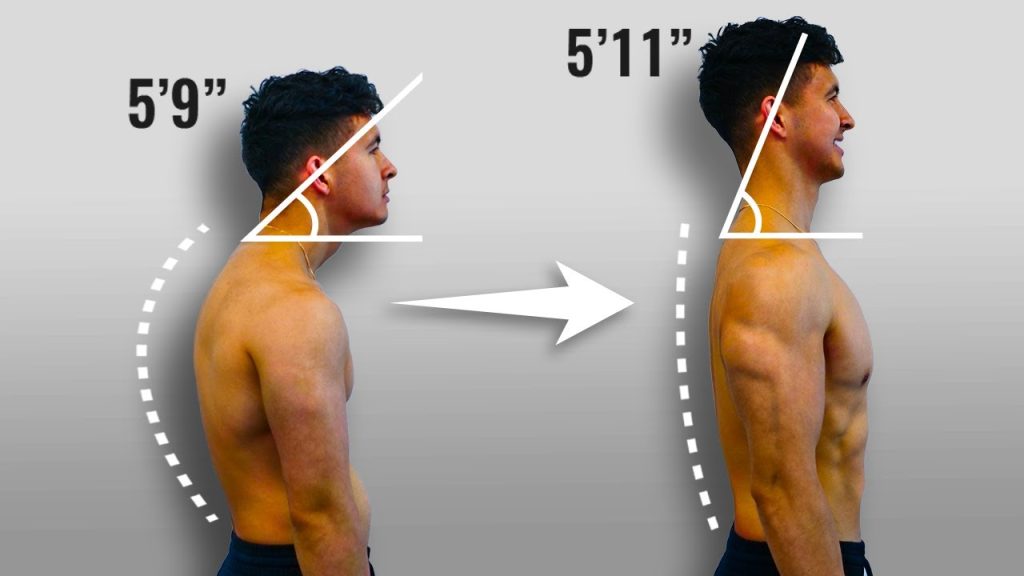
Your actual bone length may not have changed, but poor posture can make you appear shorter than your natural height. Spending long hours sitting, looking down at a phone, or working at a desk can gradually affect the way you stand and move.
The good news is that improving posture can help you stand closer to your natural height and create a taller, more confident appearance.
Exercise cannot permanently lengthen your bones once growth plates have closed. However, strengthening the muscles that support your spine, improving flexibility, and developing better posture can make a noticeable difference in how you carry yourself.
In this guide, we’ll explore some simple exercises that can help improve posture and support overall musculoskeletal health.
What Is Good Posture?
Good posture means keeping your body aligned in a way that allows your muscles and joints to work efficiently.
When standing, healthy posture generally involves:
- Head positioned comfortably over the shoulders
- Shoulders relaxed rather than rounded forward
- Chest naturally open
- Spine maintaining its natural curves
- Core gently engaged
- Hips balanced over the legs
- Weight distributed relatively evenly between both feet
Good posture doesn’t mean standing rigidly or forcing your shoulders backward.
The goal is comfortable, natural alignment.
Can Better Posture Make You Taller?
Better posture can make you look and stand taller, but it does not actually lengthen your bones.
For example, someone who habitually slouches may not use their full natural standing height. Correcting that posture can make them appear taller because the spine and body are positioned more efficiently.
This is particularly relevant for adults because posture can change significantly with:
- Desk work
- Smartphone use
- Muscle weakness
- Lack of physical activity
- Poor sitting habits
- Age-related changes
So while posture cannot create new skeletal growth, it can help you make the most of the height you already have.
Read more: Can Sleep Really Help You Grow Taller? What Science Says
Why Does Poor Posture Make You Look Shorter?
Several posture patterns can affect your appearance.
Rounded Shoulders
When the shoulders move forward, the upper body appears more compressed.
Forward Head Position
Constantly looking down at a phone or laptop can encourage the head to move forward relative to the shoulders.
Excessive Slouching
Slouching can reduce the appearance of your natural torso length.
Weak Core Muscles
A weak core can make it more difficult to maintain a stable upright position.
Tight Hip Muscles
Long periods of sitting can contribute to reduced hip mobility and changes in pelvic positioning.
The solution isn’t simply to “stand straight.” A combination of mobility, strength, and movement habits is more effective.
1. Wall Angels
Wall angels are a simple exercise for improving upper-body awareness and shoulder mobility.
How to do them
- Stand with your back against a wall.
- Keep your head and upper back comfortably against the wall.
- Position your arms against or near the wall.
- Slowly move your arms upward.
- Return them to the starting position.
- Repeat slowly and with control.
Why they’re useful
Wall angels encourage better shoulder positioning and help you become more aware of your upper-body posture.
If your shoulders or neck hurt during the movement, stop and seek professional advice.
2. Chin Tucks
Chin tucks are commonly used to improve awareness of forward-head posture.
How to do them
- Sit or stand comfortably.
- Look straight ahead.
- Gently draw your chin backward, as though making a small double chin.
- Hold for a few seconds.
- Relax.
- Repeat several times.
The movement should be gentle.
Don’t force your head downward.
3. Cat-Cow Stretch
The cat-cow movement helps improve spinal mobility.
How to do it
- Start on your hands and knees.
- Place your hands underneath your shoulders.
- Position your knees beneath your hips.
- Slowly round your spine upward.
- Then gently move into the opposite position, allowing your spine to extend comfortably.
- Move slowly between the two positions.
Why it helps
This exercise promotes spinal mobility and can be useful for people who spend long periods sitting.
4. Bird Dog
The bird dog exercise targets the core and muscles that help stabilize the spine.
How to do it
- Begin on your hands and knees.
- Keep your spine in a neutral position.
- Slowly extend one arm and the opposite leg.
- Hold briefly.
- Return to the starting position.
- Switch sides.
Focus on maintaining control rather than lifting your limbs as high as possible.
5. Glute Bridge
Strong glute muscles can contribute to better pelvic and lower-body control.
How to do it
- Lie on your back with your knees bent.
- Keep your feet flat on the floor.
- Engage your abdominal muscles.
- Lift your hips gently.
- Pause briefly at the top.
- Lower your hips slowly.
Repeat for several controlled repetitions.
6. Plank
The plank is a simple way to strengthen the core.
How to do it
- Start on your forearms and toes.
- Keep your body in a relatively straight line.
- Engage your abdominal muscles.
- Avoid allowing your hips to drop or rise excessively.
- Hold the position for a comfortable period.
- Rest and repeat.
Beginners can perform a modified plank using their knees.
7. Chest Stretch
Tight chest muscles may contribute to rounded shoulders in some people.
How to do it
- Stand beside a doorway.
- Place your forearms or hands against the frame.
- Gently move your body forward.
- Feel a comfortable stretch across the chest.
- Hold without forcing the movement.
Stretching should feel gentle rather than painful.
8. Hip Flexor Stretch
People who spend many hours sitting may benefit from regularly moving and stretching the hip area.
How to do it
- Start in a half-kneeling position.
- Keep your upper body upright.
- Gently shift your hips forward.
- Keep the movement controlled.
- Hold the stretch comfortably.
- Switch sides.
Avoid excessive arching of the lower back.
9. Bodyweight Squats
Squats strengthen the legs, hips, and core.
How to do them
- Stand with your feet approximately shoulder-width apart.
- Keep your chest comfortably upright.
- Bend your knees and hips.
- Lower yourself as far as comfortable while maintaining good form.
- Push through your feet to return to standing.
Proper technique is more important than depth or speed.
10. Resistance Training
Regular resistance training can help strengthen the muscles that support your body.
Exercises targeting the:
- Back
- Shoulders
- Core
- Glutes
- Legs
can contribute to better posture and overall physical function.
Resistance training also provides mechanical loading that supports healthy bones.
Read more: Magnesium for Stronger Bones: Why This Mineral Matters
How Often Should You Exercise?
You don’t need to spend hours exercising every day.
A practical approach is to combine:
- Regular strength training
- Daily movement
- Mobility exercises
- Walking or other weight-bearing activities
- Breaks from prolonged sitting
Consistency matters more than performing a complicated routine once in a while.
The Importance of Moving During the Workday
Posture isn’t just about exercise.
If you sit at a desk for eight hours and perform posture exercises for ten minutes, your daily habits still matter.
Try to:
- Stand up regularly.
- Walk around between periods of sitting.
- Adjust your monitor to a comfortable height.
- Keep your feet supported.
- Avoid constantly looking down at your phone.
- Change positions frequently.
There is no single “perfect” posture that you need to maintain all day.
Regular movement is often more useful than trying to stay rigidly upright.
Exercise and Bone Health
Exercise doesn’t just improve posture.
Physical activity is also an important part of maintaining healthy bones.
Weight-bearing exercise and resistance training place mechanical stress on the skeleton, encouraging the body to maintain bone tissue.
For adults, combining exercise with adequate calcium, vitamin D, protein, and other nutrients provides a comprehensive approach to bone health.
Can Exercise Increase Adult Height?
No exercise has been shown to permanently lengthen adult bones after growth plates have closed.
Exercises such as stretching, yoga, swimming, and hanging may temporarily change how your spine feels or improve posture, but they do not create permanent skeletal growth.
This distinction is important when evaluating products or programs marketed as adult “height growth” solutions.
What About Hanging Exercises?
Hanging from a pull-up bar can temporarily reduce compression in the spine.
Some people may notice a small difference in measured height afterward.
However, this effect is temporary.
It does not mean that the long bones have grown longer.
Hanging can still be a useful exercise for grip strength and upper-body conditioning when performed safely.
Combining Exercise with Good Nutrition
Posture and exercise are only part of the picture.
Your muscles and bones need adequate nutrition to function properly.
Important nutrients include:
- Calcium
- Vitamin D
- Protein
- Magnesium
- Phosphorus
- Vitamin K
- Zinc
Calcium and vitamin D are particularly important for maintaining normal bone health.
Protein supports muscle tissue, while magnesium and other micronutrients contribute to normal physiological processes.
Supporting Bone Health with Hito Calcium
For adults, maintaining strong bones is more realistic and beneficial than trying to increase skeletal height after growth plates have closed.
Hito Calcium can be included as part of a daily bone-health routine to help support calcium intake and overall skeletal wellness.
However, supplementation works best alongside healthy habits.
A complete approach includes:
Nutrition: Eat a balanced diet with sufficient calcium, vitamin D, protein, and other essential nutrients.
Exercise: Perform resistance and weight-bearing activities regularly.
Posture: Pay attention to how you sit, stand, and move throughout the day.
Sleep: Give your body enough time to recover.
Lifestyle: Avoid smoking and limit excessive alcohol consumption.
A Simple 10-Minute Posture Routine
If you’re new to posture exercises, start simple.
Try:
- 1 minute of chin tucks
- 1 minute of wall angels
- 2 minutes of cat-cow movements
- 2 minutes of bird dogs
- 2 minutes of glute bridges
- 2 minutes of gentle chest and hip-flexor stretches
Move slowly and focus on quality.
If you experience persistent pain, numbness, weakness, dizziness, or other concerning symptoms, stop exercising and seek appropriate medical advice.
Common Myths About Posture and Height
Myth 1: Good Posture Permanently Makes You Taller
Good posture can help you stand at your natural height, but it doesn’t lengthen your bones.
Myth 2: Stretching Increases Adult Bone Length
Stretching can improve flexibility and mobility but does not reopen growth plates.
Myth 3: Hanging Permanently Increases Height
Hanging may temporarily reduce spinal compression but does not cause permanent skeletal growth.
Myth 4: You Need Special Equipment
Many effective posture exercises can be performed using only your body weight and a wall.
Final Thoughts
You cannot exercise your way to permanently longer bones after growth plates have closed.
But that doesn’t mean exercise has nothing to do with height.
Improving posture, strengthening the core and back, developing better mobility, and maintaining strong muscles can help adults stand more naturally and appear taller.
Regular exercise also supports healthy bones, which becomes increasingly important as we age.
Combine physical activity with adequate calcium, vitamin D, protein, quality sleep, and a balanced diet for a complete approach to long-term skeletal health.
The goal isn’t to chase unrealistic height promises.
It’s to build a stronger, healthier body that helps you look and feel your best at every age.
Frequently Asked Questions
Can posture exercises make me taller?
They cannot lengthen your bones, but they may help you stand straighter and appear taller by improving posture.
What is the best exercise for posture?
There isn’t one single best exercise. A combination of core strengthening, upper-back exercises, mobility work, and regular movement is generally more useful.
Can stretching increase adult height?
Stretching may improve flexibility and posture but cannot permanently increase bone length after growth plates have closed.
Does hanging make you taller?
Hanging can temporarily reduce spinal compression, but it does not produce permanent height growth.
Can strength training affect height?
Properly performed strength training is generally compatible with healthy development and can support muscle and bone health. During growth, training should be age-appropriate and performed with appropriate technique and supervision.
What nutrients support posture and bone health?
Calcium, vitamin D, protein, magnesium, phosphorus, vitamin K, and other nutrients contribute to healthy bones and muscles. A varied, balanced diet is the foundation.
