
Blog
The Correlation Between Bone Density and Height: A little-known Fact

Th9
When it comes to height, we often think of genetics, nutrition, or exercise. However, there is another important factor that should not be overlooked: bone density. So, what is the correlation between bone density and height? Can increasing bone density help you get taller? The article below will provide a detailed explanation from today’s accurate scientific perspective.
What is bone density?
Bone density (Bone Mineral Density – BMD) is an index that reflects the amount of minerals – mainly calcium and phosphorus – present in a unit volume of bone. Simply put, bone density indicates whether your bones are strong or weak, dense or porous. This is an important factor in assessing the quality and overall health of the skeletal system.
Bones are not rigid and unchanging structures. In fact, bones are living tissue, constantly in a state of “renewal” – meaning the process of breaking down and regenerating bone cells is always happening. Bone density is determined by the balance between the formation of new bone and the loss of bone minerals.

Bone density has a significant impact on height. Each person reaches their peak bone mass (PBM) – usually between the ages of 25 and 30. After this point, if bone mass is not well maintained, density will gradually decrease over time, especially in older adults, postmenopausal women, or people lacking exercise and proper nutrition.
Understanding the concept of bone density is the first step in exploring the correlation between bone density and height, since bones not only determine strength but also affect the ability to grow in length – something that will be analyzed further in the next section.

The correlation between bone density and height
A person’s height does not depend solely on genetics; it is also influenced by the health of the skeletal system – with bone density playing a core role. Understanding the correlation between bone density and height helps you optimize growth potential while maintaining long-term posture and body shape.
See more:
- Does Weight Affect Height Growth? – The Shocking Answer
- Do Squats Make You Shorter? – Interesting Facts You Need to Know
Bone density determines bone quality, not just length
Height comes from the length of long bones such as the femur, tibia, and spine. During the growth phase (especially puberty), bones extend and grow through growth plates. However, for these bones to grow evenly, straight, and strong, bone density must be maintained at an optimal level.
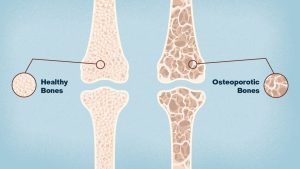
Many people wonder if low bone density affects height. According to studies, if bone density is low (bones weak, porous, mineral-deficient), bones can curve, bend, or fail to grow to their full genetic potential – thereby limiting height despite good genetic predisposition. Thus, strong bones are essential for effective height development.
Bone density affects posture – a key factor in “maintaining height”
Even after maximum height is achieved in adulthood (around 20–25 years old), bone density continues to influence actual height. When bone density decreases – due to aging, poor nutrition, lack of activity, or hormonal imbalance – bones become weak and prone to damage, leading to problems such as:
- Scoliosis, making the body appear shorter
- Hunchback or vertebral compression, common in older adults and postmenopausal women
- Height loss with age, up to 2–5 cm by middle age if not properly cared for
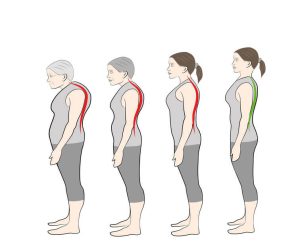
This shows the correlation between bone density and height exists not only during growth but throughout life. Good bone density protects skeletal structure and helps maintain posture and stable height over time.
Peak bone mass determines the “height limit”
Bone density usually peaks between the ages of 25–30. This is why experts recommend focusing on bone development from childhood, especially during puberty – the golden time to build ideal bone density and achieve maximum height.
After age 25, height almost stops increasing. However, if bone density decreases – especially in the spine and hips – you may lose height over time. Therefore, maintaining high bone density not only supports growth but also preserves existing height throughout life.

How to increase bone density and support height growth?
After understanding the correlation between bone density and height, the next question is: how to naturally and effectively increase bone density to support optimal height growth – especially between the ages of 6 and 20?
Simple habits with a strong impact on bone health and posture include:
1. Adequate calcium and vitamin D intake
Calcium is the main building block of bones, while vitamin D enhances calcium absorption. A deficiency in either reduces bone density. To promote growth in children and teens, you should:
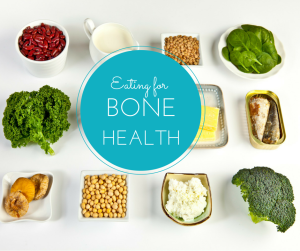
- Eat calcium-rich foods: milk, sardines, tofu, kale, cheese…
- Get early sunlight exposure or supplement vitamin D3 as guided by experts
2. Exercise daily
Activities like running, jumping rope, basketball, yoga, or swimming stimulate bone formation and naturally increase bone density. Exercise also stretches muscles – clearly supporting height growth in children and adolescents.
3. Sleep well and on time
Growth hormone – the key factor for bone elongation – is secreted most during deep sleep, especially between 10 p.m. and 2 a.m. Sleeping early and getting 8–10 hours daily maximizes growth potential.
4. Maintain a healthy lifestyle
Limit soda, high salt intake, staying up late, or prolonged inactivity – all of which silently reduce bone density and cause early osteoporosis. Instead, build balanced daily habits, especially during growth years.

5. Support from quality supplements
When diet alone cannot meet calcium needs – or when children are in a rapid growth phase – you may consider supplements with calcium, vitamin D3, MK-7, zinc, magnesium, type II collagen… to enhance bone density and height growth. Always choose reputable, high-quality products for best results.
Conclusion
Height is not just an aesthetic matter; it also reflects skeletal health and overall physical development. As shown, the correlation between bone density and height is very close: bones can only grow long and strong when nourished from within.
Strengthening bone density through nutrition, exercise, and healthy lifestyle habits is the key to helping children and adolescents reach their ideal height while maintaining proper posture into adulthood. However, in many cases, daily diets alone are insufficient to meet the body’s rapid growth demands during puberty.

Canxi Hito – a supplement supporting height increase and comprehensive bone development – is a trusted solution for parents seeking specialized support for their children. With a formula containing easily absorbed calcium, vitamin D3, MK-7, zinc, and essential micronutrients, Hito helps:
- Naturally increase bone density
- Support height development during growth years
- Protect healthy bones and joints long-term
👉 Learn more at www.hitocalcium.us and get free expert consultation to choose the most suitable growth plan.
