
Blog
Can You Actually Get Taller After 18? The Science of Bone Growth
Th7
For many of us, reaching our 18th birthday comes with a bittersweet realization: we might be stuck at our current height forever. Society often tells us that once we cross into adulthood, our growth potential is completely locked in.
But is that entirely true? Can you actually get taller after 18, or is it just a myth fueled by wishful thinking?
Let’s dive into the fascinating science of bone growth, explore how your body changes as you age, and look at realistic, scientifically proven ways you can maximize your height and posture in adulthood.
The Hard Science: How Bones Grow (and Stop Growing)
To understand if you can grow taller, we first need to understand how human bones grow in the first place.
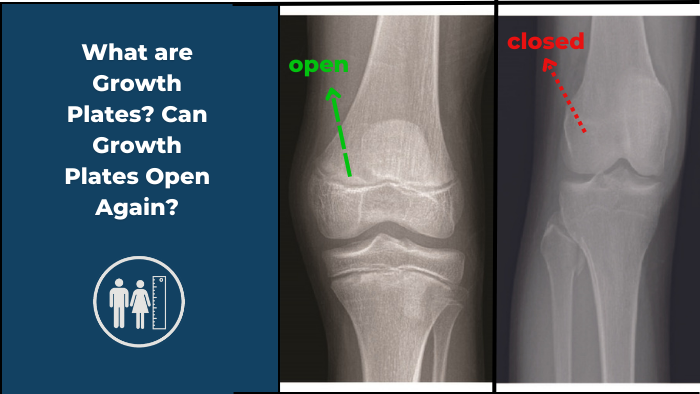
During childhood and adolescence, your height increases primarily due to the lengthening of your long bones (such as your femur in the thigh and tibia in the shin). This growth happens in specialized areas at the ends of these bones called epiphyseal plates—commonly known as growth plates.
These growth plates are made of active cartilage. Guided by growth hormones, they continuously produce new bone cells, allowing you to grow taller.
The “Closing” of the Gates
As you reach the end of puberty (typically between ages 16 and 21), hormonal changes trigger these growth plates to calcify and fuse.
The Scientific Reality: Once your growth plates are fully fused, your long bones can no longer physically grow longer. For most adults, this means “natural bone lengthening” is indeed complete.
However, does that mean your height is 100% fixed? Not quite.
How Adults Can Still “Gain” Height: Posture, Decompression, and Bone Density
While you cannot make your leg bones physically longer after your growth plates fuse, you can unlock hidden height potential through other structural parts of your body: the spine and bone density.
Your Potential Height = Leg Bones + Spine Length - Posture Sag
1. Decompressing the Spine
Your spine accounts for about 35% of your total height. It consists of 33 vertebrae separated by cartilage discs. Throughout the day, gravity compresses these discs, making you slightly shorter by evening than you were in the morning.
By practicing targeted decompression exercises (like hanging, swimming, and specific yoga poses), you can keep these discs hydrated and plump, permanently retaining a fraction of an inch to a full inch of height.
Read more: The Science Behind Bone Growth Plates: Everything You Need to Know
2. Correcting “Hidden” Posture Issues
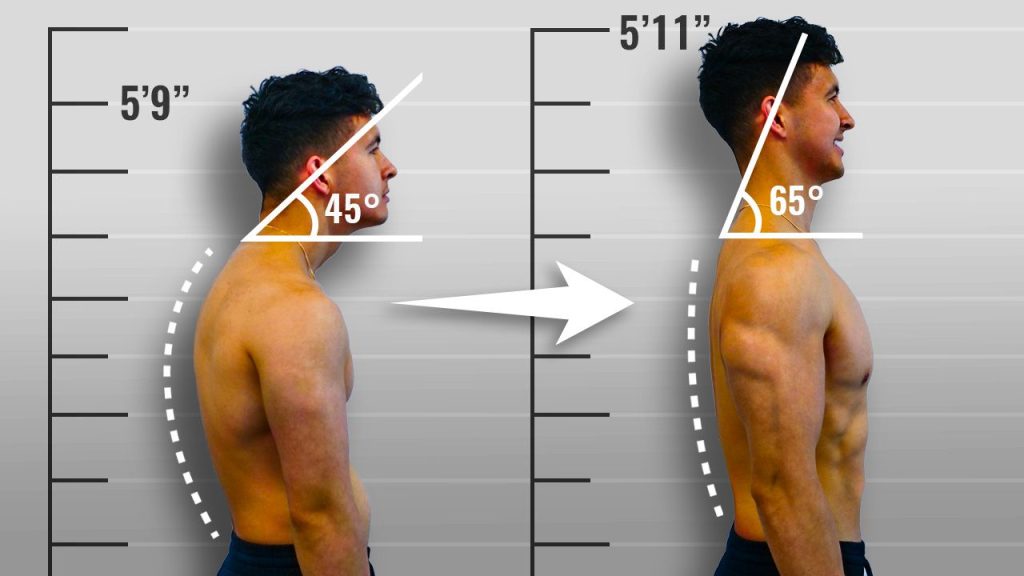
Decades of looking down at smartphones, sitting at desks, and slouching can cause conditions like:
-
Forward Head Posture (Tech Neck)
-
Rounded Shoulders (Kyphosis)
-
Anterior Pelvic Tilt
These postural issues can literally “steal” up to 1 to 2 inches (2.5 to 5 cm) of your true height. Correcting your alignment allows you to stand at your absolute, tallest potential.
3. Maximizing Bone Density to Prevent “Shrinking”
As adults, we stop growing up, but our bones never stop changing. Through a process called remodeling, your body constantly breaks down old bone and replaces it with new tissue.
If your body lacks the essential nutrients to rebuild bones, your bone density drops, leading to micro-fractures, poor posture, and eventually, the gradual “shrinking” associated with aging. By keeping your bones incredibly strong and dense, you maintain a robust, upright skeletal frame.
The Adult Height Toolkit: How to Maximize Your Stature
If you want to look taller, feel more confident, and support your skeletal system, here is your daily action plan:
1. Master the “Golden Trio” of Bone Nutrition
To maintain thick, strong bones and support cartilage health in your spine, your body needs a precise mix of nutrients. You cannot just take standard calcium; it requires a highly bioavailable system:
-
Organic Calcium: Unlike inorganic calcium (which can cause kidney stones and constipation), organic calcium is easily absorbed by adult bodies.
-
Vitamin D3: Acts as the “key” that lets calcium enter your bloodstream.
-
Vitamin K2: The “GPS” that directs calcium out of your arteries and straight into your bones.
Struggling to get these through modern meals? Formulated products like Hito Calcium (available in convenient daily tablets and delicious jelly) combine premium organic calcium with D3 and K2 to ensure every milligram goes exactly where your bones need it.
Read more: Genetics vs. Nutrition: Which Matters More for Height?
2. Invest in Spinal Decompression Exercises
Spend 10 to 15 minutes a day on activities that stretch your spine:
-
Dead Hangs: Hang from a pull-up bar for 30-second intervals to let gravity stretch your vertebrae.
-
Cobra Stretch: A classic yoga pose that opens up your chest and aligns your spine.
-
Swimming: Excellent for reducing gravity’s pressure on your joints and spine.
3. Get High-Quality, Deep Sleep
Growth hormone (HGH) is still produced in adults, though in much smaller amounts. HGH is vital for cell regeneration and bone remodeling, and it is primarily released during deep sleep. Aim for 7 to 9 hours of uninterrupted rest every night.
The Bottom Line
Can you grow longer leg bones after age 18? Science says no.
But can you stand taller, improve your physical stature, and reclaim 1 to 2 inches of height through optimal bone health and posture? Absolutely yes.
By nourishing your bones with the right organic nutrients, staying active, and protecting your spine, you can project a taller, stronger, and more confident version of yourself at any age.
Ready to give your bones the premium fuel they deserve? Explore the Hito Calcium range—designed for maximum absorption to support your active, upright adult lifestyle
