
Blog
Peak Bone Mass: Why Your Early Years Matter for Lifelong Bone Health
Th9
When people talk about growing taller, they often focus on height measurements. But there is another important aspect of skeletal development that deserves attention: bone mass. Your bones do not simply become longer during childhood and then stop changing forever. Throughout childhood, adolescence, and early adulthood, the skeleton is also becoming denser, stronger, and more structurally developed.
At some point, a person reaches a period when their bones have accumulated a large proportion of the bone mass they will have during adulthood. This is commonly described as peak bone mass.
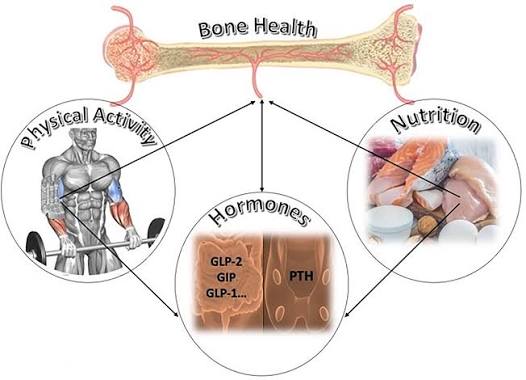
Peak bone mass matters because the amount of bone built during the early years can influence skeletal health later in life. This is one reason nutrition, physical activity, calcium, vitamin D, protein, and healthy lifestyle habits are particularly important during childhood and adolescence. Understanding peak bone mass also helps explain an important distinction:
Growing taller and building stronger bones are related, but they are not the same process.
What Is Peak Bone Mass?
Peak bone mass refers to the point in life when bone mass reaches its maximum or near-maximum level. The timing varies between individuals and between different parts of the skeleton. Bone development is especially active during childhood, adolescence, and young adulthood.
During this period, the body is:
- Increasing bone size
- Increasing bone mineral content
- Developing bone structure
- Adapting to physical activity
- Accumulating skeletal reserves
Eventually, bone formation and resorption become more balanced, and the skeleton reaches a mature state.
The amount of bone accumulated during these years contributes to the foundation of skeletal health for later adulthood.
Why Does Peak Bone Mass Matter?
Think of bone mass as a long-term reserve. Building a strong skeletal foundation during youth can provide an important starting point for adulthood.
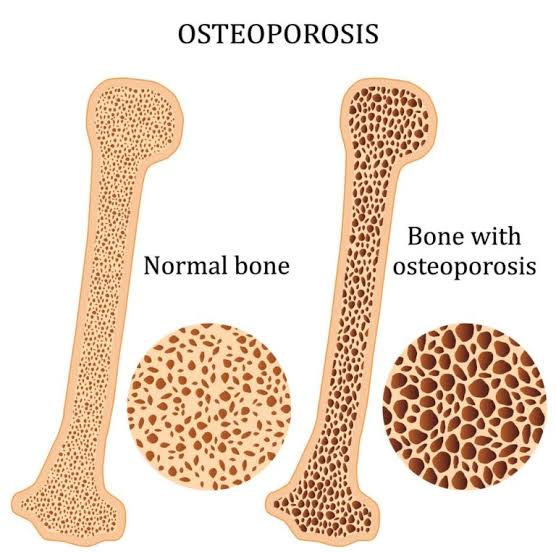
As people age, bone remodeling continues. Bone is constantly being broken down and rebuilt. However, the balance between bone formation and bone resorption can change over time.
If someone enters adulthood with a healthier skeletal foundation, they may have more bone reserve available as normal age-related changes occur. This is one reason childhood and adolescence are not only about becoming taller. They are also about building a healthy skeleton.
Read more: Bone Remodeling Explained: How Your Body Builds and Maintains Strong Bones
Peak Bone Mass and Height Are Different
This distinction is extremely important.
Height
Height mainly reflects the length of the skeleton, particularly the long bones and the spine.
During childhood and adolescence, growth plates allow bones to increase in length.
Bone mass
Bone mass refers more broadly to the amount of mineralized bone tissue in the skeleton.
A person can become taller while also increasing bone mass, but the two measurements are not interchangeable.
For example, two teenagers could have similar heights but different levels of bone mass because of differences in:
- Genetics
- Puberty
- Nutrition
- Physical activity
- Body composition
- Overall health
Therefore, being tall does not automatically mean having the strongest bones.
Likewise, being shorter does not automatically mean having poor bone health.
When Is Bone Mass Built Most Rapidly?
Bone development occurs throughout childhood, but the rate can increase substantially during adolescence.
Puberty is particularly important because hormonal changes influence skeletal development.
During adolescence, the skeleton undergoes rapid changes in:
- Size
- Mineral content
- Strength
- Structure
Young people therefore need adequate nutrition and appropriate physical activity during this period.
The goal is not to force the bones to become larger than their natural potential.
Instead, it is to provide the conditions required for normal development.
The Role of Genetics
Genetics has an important influence on bone development.
Family characteristics can affect:
- Skeletal size
- Body frame
- Bone structure
- Timing of growth
- Puberty
- Potential bone mass
However, genetics is not the only factor.
Lifestyle and nutrition also matter.
Someone cannot completely rewrite their genetic characteristics, but they can support the development and maintenance of their skeleton through healthy habits.
This is why discussions about bone health should avoid promising that a specific supplement or exercise can override biology.
Calcium and Peak Bone Mass
Calcium is one of the key minerals involved in bone structure.
During periods of skeletal development, the body requires an adequate supply of calcium.
If dietary calcium intake is consistently insufficient, it may become more difficult for the body to meet its skeletal needs.
Calcium-rich foods include:
- Milk
- Yogurt
- Cheese
- Calcium-fortified beverages
- Calcium-set tofu
- Certain fish
- Some vegetables
- Fortified foods
The goal is adequate intake rather than excessive consumption.
Taking very large amounts of calcium does not automatically create a stronger skeleton.
Why Vitamin D Matters
Calcium does not work in isolation.
Vitamin D helps the body absorb calcium and supports normal calcium metabolism.
Adequate vitamin D is therefore part of a healthy skeletal nutrition strategy.
Sources of vitamin D can include:
- Sunlight exposure
- Fatty fish
- Egg yolks
- Fortified foods
- Supplements when appropriate
Vitamin D status can vary considerably between individuals.
People who spend little time outdoors or have other risk factors may need to pay particular attention to vitamin D intake.
Protein and Bone Development
Protein is sometimes discussed mainly in relation to muscles.
But it also plays an important role in the structure of bone.
Bone contains an organic protein framework that is later mineralized.
Adequate protein also supports muscle development.
This matters because stronger muscles can support physical activity and place appropriate mechanical loads on the skeleton.
Good protein sources include:
- Eggs
- Fish
- Poultry
- Meat
- Milk
- Yogurt
- Tofu
- Beans
- Lentils
- Nuts and seeds
A balanced diet should provide sufficient protein rather than relying on one particular source.
The Importance of Physical Activity
Bones respond to mechanical loading.
When children and teenagers participate in appropriate physical activities, their skeletons experience forces that can influence bone development.
Useful activities include:
- Walking
- Running
- Jumping
- Dancing
- Team sports
- Hiking
- Age-appropriate resistance training
These activities can support both bone and muscle health.
However, exercise should be appropriate for age and ability.
More exercise is not automatically better.
Adequate recovery is also important.
Does Basketball Help Build Peak Bone Mass?
Basketball is a weight-bearing sport involving:
- Running
- Jumping
- Sprinting
- Sudden changes in direction
- Repeated loading of the lower body
These activities can provide mechanical stimulation to the skeleton.
This is one reason basketball can be a useful form of physical activity for young people.
However, basketball does not uniquely determine bone mass.
Other weight-bearing sports and resistance activities can also contribute to skeletal health.
And, as discussed in earlier articles, playing basketball does not guarantee greater height.
Resistance Training and Bone Health
Resistance exercise is sometimes avoided by parents who worry that it may interfere with growth.
When appropriately designed and supervised, age-appropriate resistance training can be part of a healthy physical activity program.
It can support:
- Muscle strength
- Movement quality
- Physical function
- Bone loading
- Coordination
The focus should be on appropriate technique, progression, and supervision rather than lifting unnecessarily heavy weights.
For young people, exercise programs should be suitable for their developmental stage.
Can Poor Nutrition Affect Peak Bone Mass?
Adequate nutrition is important for skeletal development.
A consistently restrictive or unbalanced diet may make it difficult to obtain enough:
- Energy
- Protein
- Calcium
- Vitamin D
- Magnesium
- Phosphorus
- Other essential nutrients
This does not mean that every imperfect meal harms bone development.
The concern is a long-term pattern of inadequate nutrition.
Growing teenagers should generally avoid extreme dieting and unnecessary food restriction.
What Happens If a Teenager Does Not Drink Milk?
Milk can be a convenient calcium source, but it is not the only option.
A teenager who does not drink milk can still obtain calcium through:
- Yogurt
- Cheese
- Fortified plant beverages
- Calcium-set tofu
- Calcium-containing foods
- Fortified products
The important question is whether the overall diet provides adequate calcium.
This is especially relevant for teenagers who follow vegetarian or vegan diets, have lactose intolerance, or avoid dairy for personal reasons.
Can Hito Calcium Support Peak Bone Development?
Hito Calcium can be part of a nutritional strategy for people who need additional calcium.
During the growing years, adequate calcium is important for normal bone development.
If dietary intake does not consistently provide enough calcium, a supplement can help bridge the gap.
However, Hito Calcium should not be presented as a product that guarantees greater height or creates bone mass beyond a person’s biological potential.
Its role is more straightforward:
support adequate calcium intake as part of a healthy lifestyle.
For best results from a bone-health perspective, calcium should be considered alongside:
- Vitamin D
- Protein
- Physical activity
- Balanced nutrition
- Adequate sleep
- Healthy lifestyle habits
Does More Calcium Mean More Peak Bone Mass?
Not necessarily.
This is an important misconception.
If someone does not get enough calcium, improving calcium intake may help support normal skeletal development.
But once nutritional requirements are adequately met, consuming increasingly large amounts does not necessarily continue increasing bone mass.
This principle applies to many nutrients.
The objective is to meet the body’s requirements—not to consume as much as possible.
What About Magnesium?
Magnesium contributes to normal bone and muscle function.
It is found in foods such as:
- Nuts
- Seeds
- Whole grains
- Beans
- Leafy vegetables
- Some fish
A varied diet generally provides magnesium along with many other nutrients.
This is another reason why overall dietary quality is more important than focusing exclusively on calcium.
What About Vitamin K?
Vitamin K is involved in processes related to bone metabolism.
It can be obtained from foods such as:
- Leafy green vegetables
- Broccoli
- Cabbage
- Other vegetables
Some supplements combine vitamin K with calcium and vitamin D.
However, supplements should complement a balanced diet rather than replace it.
Sleep and Skeletal Development
Sleep is often discussed in relation to height, but its importance extends beyond height.
Children and teenagers need adequate sleep for:
- Physical recovery
- Brain development
- Hormonal regulation
- Immune function
- Overall health
A teenager who regularly sleeps too little may also be more likely to have poor eating habits and reduced physical activity.
Sleep should therefore be considered part of the broader lifestyle environment supporting healthy development.
Smoking and Bone Development
Smoking and exposure to tobacco can negatively affect skeletal health.
For teenagers, avoiding smoking is particularly important because adolescence is a critical period of physical development.
Young people should also avoid assuming that supplements can compensate for unhealthy behaviors.
There is no supplement that can turn an unhealthy lifestyle into a healthy one.
Read more: Does Basketball Make You Taller? The Truth About Basketball and Height
What Happens After Peak Bone Mass?
Reaching peak bone mass does not mean that bones stop changing.
Bone remodeling continues throughout adulthood.
Old bone tissue is removed and new tissue is formed.
The balance between these processes can change with:
- Age
- Hormonal changes
- Physical activity
- Nutrition
- Lifestyle
- Certain medications
- Health conditions
Maintaining bone health therefore remains important after the years of rapid skeletal development have passed.
Can Adults Increase Their Peak Bone Mass?
The term “peak bone mass” mainly refers to the maximum level of bone mass achieved during development.
Once adulthood is reached, the focus generally shifts from building peak bone mass to maintaining skeletal health.
Adults can still support their bones through:
- Adequate calcium
- Appropriate vitamin D
- Protein
- Weight-bearing exercise
- Resistance training
- Healthy body weight
- Avoiding smoking
- Limiting excessive alcohol
However, adults should not expect these habits to make their long bones longer.
Peak Bone Mass and Long-Term Bone Health
Think of skeletal health as a lifelong process.
Childhood
Build healthy foundations.
Adolescence
Support rapid skeletal development and bone accumulation.
Young adulthood
Maintain healthy lifestyle habits and support skeletal maintenance.
Later adulthood
Focus increasingly on preserving bone strength, muscle function, balance, and mobility.
This perspective is much more useful than thinking about bones only in terms of height.
How Can Parents Support Healthy Bone Development?
Parents can help children and teenagers establish healthy habits without making height an obsession.
Provide balanced meals
Include protein, vegetables, fruits, whole grains, healthy fats, and calcium-rich foods.
Encourage physical activity
Let children participate in sports and activities they enjoy.
Support healthy sleep
Maintain consistent routines and appropriate sleep schedules.
Avoid unnecessary dieting
Growing children need adequate energy and nutrients.
Encourage outdoor activity
Appropriate outdoor activity can support physical fitness and provide opportunities for sunlight exposure.
Consider supplementation when appropriate
If dietary intake is inadequate, discuss supplementation with a healthcare professional.
Focus on health rather than centimeters
Height is only one aspect of physical development.
A Practical Bone-Health Checklist for Teenagers
A simple daily checklist can be more useful than complicated supplement routines.
Nutrition
- Eat regular balanced meals
- Include protein
- Include calcium-rich foods
- Eat vegetables and fruits
Movement
- Stay physically active
- Include weight-bearing activities
- Participate in sports or resistance exercise appropriate for age
Recovery
- Get adequate sleep
- Allow time for rest between demanding activities
Lifestyle
- Avoid smoking
- Avoid extreme dieting
- Maintain a healthy body weight
Supplementation
- Use calcium or vitamin D supplements only when appropriate
- Follow recommended serving instructions
Final Thoughts
Peak bone mass is an important but often overlooked part of human development.
Growing taller is only one aspect of skeletal development. During childhood, adolescence, and young adulthood, the skeleton is also accumulating bone mass and becoming stronger and more structurally mature.
Calcium, vitamin D, protein, physical activity, sleep, and overall nutrition all contribute to creating a healthy environment for skeletal development.
For people who do not consistently obtain enough calcium through their diet, Hito Calcium can be considered as part of an appropriate nutritional strategy.
But the goal should not be to consume unlimited calcium or chase unrealistic height promises.
The real objective is to help the body build and maintain a healthy skeleton.
Your height may eventually stop changing, but your bones remain living tissue throughout your life.
Building healthy habits early can therefore be one of the most valuable investments you make in your long-term skeletal health.
Frequently Asked Questions
1. What is peak bone mass?
Peak bone mass is the maximum or near-maximum amount of bone mass a person develops during growth and early adulthood.
2. When is peak bone mass developed?
Bone mass develops throughout childhood and adolescence and continues maturing into young adulthood. The exact timing varies between individuals.
3. Is peak bone mass the same as height?
No. Height relates primarily to skeletal length, while bone mass refers to the amount of bone tissue and mineral content in the skeleton.
4. Why is calcium important for peak bone mass?
Calcium is an essential mineral in bone and contributes to normal skeletal development and mineralization.
5. Does vitamin D help build strong bones?
Vitamin D supports calcium absorption and normal calcium metabolism, making it an important part of bone health.
6. Can exercise increase peak bone mass?
Appropriate weight-bearing and resistance activities can provide mechanical stimulation that supports healthy skeletal development.
7. Can drinking milk increase peak bone mass?
Milk can provide calcium and protein that contribute to a balanced diet. However, total dietary intake and overall lifestyle are more important than one food.
8. Can Hito Calcium support bone development?
Hito Calcium can help supplement calcium intake when dietary intake is insufficient. It should be viewed as nutritional support rather than a guarantee of increased height or bone mass.
9. Does peak bone mass matter for adults?
Yes. The skeletal foundation developed during youth can be relevant to long-term bone health, while adults can continue supporting their bones through nutrition, exercise, and healthy lifestyle habits.
10. Can adults increase their height by improving bone mass?
No. Improving bone health and bone mass does not normally make adult long bones longer after growth plate closure.
