
Blog
Understanding Bone Density: What It Means and How to Support Strong Bones
Th9
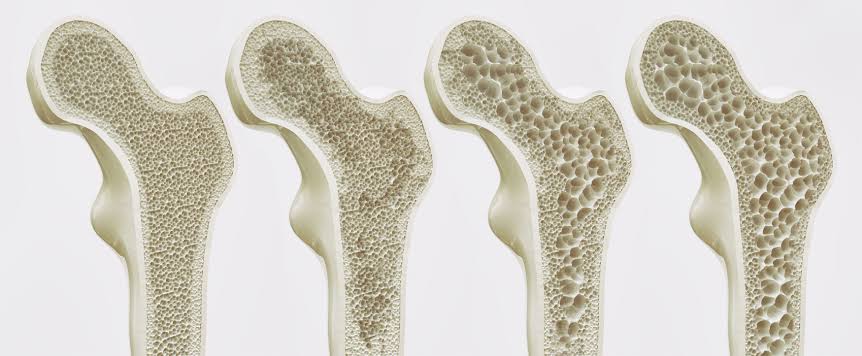
When people think about strong bones, they often imagine bones that are simply “hard.” But bone health is more complicated than that. Bones are living tissues made up of minerals, proteins, cells, blood vessels, and a complex internal structure. One important concept used to describe skeletal health is bone density.
Bone density refers broadly to how much mineralized bone tissue is present within a given area or volume of bone. It is an important factor in skeletal strength, but it is not the only thing that matters.
Bone structure, bone quality, muscle strength, physical activity, age, nutrition, hormones, genetics, and overall health all contribute to how well the skeleton functions. Understanding bone density can also help explain why calcium remains important even after a person stops growing taller.
What Is Bone Density?
Bone density describes the amount of mineral content in bone tissue relative to its size or volume. Minerals such as calcium and phosphorus contribute significantly to the hardness and strength of bone.
However, bones are not simply solid blocks of calcium. They contain a protein framework that becomes mineralized, creating a strong but dynamic structure. This combination allows bones to withstand forces while remaining capable of remodeling and adapting.
Bone Density Is Not the Same as Bone Size
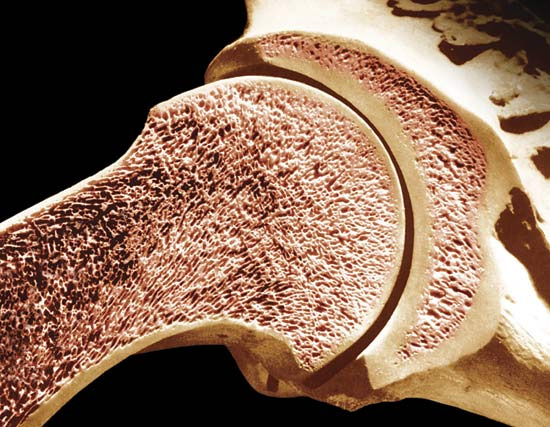
A common misunderstanding is that larger bones automatically mean denser bones.
This is not necessarily true.
Two people can have similar bone size but different bone mineral density.
Likewise, a taller person does not automatically have healthier or stronger bones.
Bone size, bone density, and bone quality are related concepts, but they are not interchangeable.
This distinction is important when discussing height.
Being taller does not automatically mean having greater bone density.
Read more: Peak Bone Mass: Why Your Early Years Matter for Lifelong Bone Health
Why Is Bone Density Important?
Bone density contributes to the structural strength of the skeleton.
Healthy bone needs to be strong enough to withstand everyday forces from:
- Walking
- Running
- Jumping
- Lifting
- Sports
- Normal physical activity
The skeleton also needs to adapt to mechanical stress and repair microscopic damage.
Bone remodeling allows this to happen.
When bone formation and resorption are appropriately balanced, the skeleton can maintain its structure over time.
How Is Bone Density Measured?
Bone density can be evaluated using specialized medical imaging.
One commonly used technique is dual-energy X-ray absorptiometry, often abbreviated as DXA or DEXA.
A DXA scan can estimate bone mineral density at specific parts of the skeleton, often including areas such as the hip and spine.
Healthcare professionals may use these measurements to assess bone health in people for whom testing is appropriate.
Importantly, a bone density scan is not a general health check that everyone needs routinely.
Whether testing is appropriate depends on factors such as age, risk factors, medical history, and clinical circumstances.
What Is a Bone Density Test Looking For?
A bone density test provides information about the mineral content of bone.
Depending on the person’s age and clinical situation, healthcare professionals may interpret the results using different reference standards.
The purpose is not simply to determine whether someone has “good” or “bad” bones.
Rather, the results are considered alongside:
- Age
- Sex
- Medical history
- Fracture history
- Medications
- Family history
- Other risk factors
This broader context is important because one number does not describe every aspect of skeletal health.
Does Bone Density Affect Height?
Bone density and height are different characteristics.
A person can have normal height with different levels of bone density.
Likewise, increasing bone density does not make adult long bones longer.
During childhood and adolescence, bones can increase in both size and mineral content.
But after growth plates close, improving bone density does not normally increase height.
This is another reason why the terms bone growth, bone density, and bone remodeling should not be used interchangeably.
What Happens to Bone Density During Childhood?
During childhood, the skeleton is rapidly developing.
Bones become:
- Longer
- Wider
- Heavier
- More mineralized
- Better adapted to physical activity
This period creates the foundation for future skeletal health.
Adequate nutrition is particularly important because growing bones need sufficient raw materials to develop normally.
Bone Density During Adolescence
Adolescence is a critical period for skeletal development.
Hormonal changes during puberty influence the growth and maturation of bones.
At the same time, teenagers often become more physically active—or, in some cases, much less active.
Lifestyle habits during these years can therefore influence skeletal development.
Important factors include:
- Calcium intake
- Vitamin D status
- Protein intake
- Physical activity
- Sleep
- Overall nutrition
- Healthy body weight
These factors work together rather than independently.
The Role of Calcium in Bone Density
Calcium is one of the major minerals stored in bone.
The skeleton acts as a large reservoir of calcium.
When dietary calcium intake is adequate, the body can use calcium from food to support normal physiological functions and skeletal maintenance.
When intake is consistently inadequate, the body has mechanisms to maintain blood calcium levels, including drawing on calcium stored in bone.
This is one reason adequate calcium intake matters throughout life.
However, there is an important distinction:
Adequate calcium supports normal bone health. Excessive calcium does not automatically create stronger bones.
How Much Calcium Do You Need?
Calcium needs vary according to age and life stage.
Children and teenagers have different nutritional requirements from adults.
Older adults may also have different needs.
Instead of assuming that everyone needs the same amount, consider:
- Age
- Diet
- Life stage
- Calcium-rich food consumption
- Existing supplementation
- Individual health factors
If you regularly consume foods such as milk, yogurt, cheese, fortified beverages, calcium-set tofu, or other calcium-rich foods, you may already obtain a substantial amount of calcium.
What Is Vitamin D’s Role?
Vitamin D is closely connected to calcium metabolism.
It helps the body absorb calcium and supports normal bone function.
A person could consume calcium but still have difficulty maintaining healthy calcium metabolism if vitamin D status is inadequate.
Vitamin D can come from:
- Sunlight
- Food
- Fortified products
- Supplements when appropriate
Because vitamin D status varies between individuals, supplementation should be based on actual needs rather than the assumption that everyone needs high doses.
Read more: Bone Remodeling Explained: How Your Body Builds and Maintains Strong Bones
Protein and Bone Density
Protein is another important part of skeletal health.
Bone contains a protein-based framework that supports mineral deposition.
Protein also helps maintain muscles.
This is relevant because strong muscles provide support for movement and physical activity.
Good sources include:
- Fish
- Eggs
- Meat
- Poultry
- Milk
- Yogurt
- Tofu
- Beans
- Lentils
- Nuts and seeds
A diet that provides adequate protein can therefore support both muscle and skeletal health.
Exercise and Bone Density
Bones respond to mechanical loading.
Activities that place appropriate stress on bones can encourage skeletal adaptation.
Examples include:
- Walking
- Running
- Hiking
- Dancing
- Jumping
- Tennis
- Basketball
- Resistance training
For children and teenagers, physical activity can contribute to healthy skeletal development.
For adults, weight-bearing and resistance exercise can help maintain skeletal strength.
The appropriate exercise depends on age, fitness level, health, and injury history.
Does Swimming Increase Bone Density?
Swimming is an excellent form of exercise for cardiovascular fitness, coordination, and muscle conditioning.
However, because the body is supported by water, swimming generally provides less weight-bearing mechanical loading than activities such as walking, running, or resistance training.
This does not make swimming a bad exercise.
It simply means that someone interested specifically in supporting bone loading may benefit from including appropriate weight-bearing activity as well.
A balanced exercise program can combine different types of movement.
Does Basketball Improve Bone Density?
Basketball includes repeated:
- Running
- Jumping
- Landing
- Sprinting
- Changes in direction
These activities place mechanical loads on the skeleton.
This makes basketball a useful weight-bearing sport for many healthy individuals.
However, basketball is not the only way to support bone health.
Walking, running, dancing, resistance training, and other activities can also provide mechanical loading.
Resistance Training and Bone Health
Resistance training is often associated with muscle building, but its benefits can extend to the skeleton.
When muscles contract against resistance, forces are transmitted through the bones.
Over time, appropriate resistance exercise can contribute to maintaining or improving musculoskeletal health.
For beginners, the priority should be:
- Correct technique
- Gradual progression
- Appropriate resistance
- Adequate recovery
There is no need to use extremely heavy weights to support bone health.
Body Weight and Bone Density
Body weight can also influence the mechanical environment of the skeleton.
Very low body weight may be associated with reduced skeletal health in some circumstances, particularly when accompanied by inadequate nutrition or hormonal disturbances.
At the other extreme, excessive body weight can place additional stress on joints and movement systems.
The goal should therefore be a healthy body composition rather than pursuing an extremely low or high body weight.
Can Poor Nutrition Reduce Bone Density?
A chronically inadequate diet can make it more difficult to maintain healthy bones.
Potential nutritional concerns include insufficient:
- Calcium
- Vitamin D
- Protein
- Energy
- Magnesium
- Other essential nutrients
Extreme dieting can be particularly concerning for teenagers because they are still developing.
A growing body needs adequate energy and nutrients.
This is another reason restrictive diets should be approached carefully.
Smoking and Bone Health
Smoking can negatively affect skeletal health.
Tobacco exposure can influence blood flow, bone cells, healing, and other physiological processes.
Avoiding smoking is therefore an important part of a long-term bone-health strategy.
For teenagers, avoiding tobacco and nicotine exposure is especially important during a period when the skeleton is still developing.
Alcohol and Bone Health
Excessive alcohol consumption can also negatively affect skeletal health.
Heavy alcohol use may be associated with:
- Poor nutritional intake
- Reduced physical activity
- Changes in bone metabolism
- Increased risk of falls and injuries
Adults should therefore avoid excessive alcohol consumption as part of a broader approach to maintaining healthy bones.
Can Calcium Supplements Improve Bone Density?
Calcium supplements can help people meet their nutritional requirements when dietary calcium intake is insufficient.
However, the effect depends on the individual’s starting nutritional status.
Someone who already obtains enough calcium through food may not gain additional skeletal benefits simply by consuming substantially more calcium.
This is why supplementation should be viewed as a way to fill nutritional gaps.
It should not be treated as a strategy for maximizing calcium intake regardless of need.
Hito Calcium and Bone Density
Hito Calcium can be part of a nutritional strategy for people who need additional calcium.
Calcium is important for normal bone mineralization and skeletal health.
For teenagers, adequate calcium intake supports normal skeletal development.
For adults, calcium remains important because bone remodeling continues throughout life.
However, Hito Calcium should not be positioned as a product that automatically increases bone density regardless of nutritional status.
The most effective approach remains comprehensive:
Adequate calcium + vitamin D + protein + exercise + healthy lifestyle
Can You Increase Bone Density Naturally?
Bone health can be supported through consistent lifestyle habits.
Eat a balanced diet
Include calcium-rich foods, protein, vegetables, fruits, whole grains, and healthy fats.
Maintain adequate calcium
Obtain calcium through food and use supplementation when appropriate.
Support vitamin D status
Get appropriate sunlight exposure and obtain vitamin D from food or supplements when needed.
Exercise regularly
Combine weight-bearing activities with resistance training.
Maintain healthy body weight
Avoid extreme dieting and severe nutritional restriction.
Avoid smoking
Protect your skeletal health by avoiding tobacco.
Limit excessive alcohol
Heavy alcohol consumption can negatively affect bone health.
Sleep adequately
Good sleep supports overall health and recovery.
Can Bone Density Be Improved at Any Age?
The answer depends on age and individual circumstances.
During youth, the body is actively building bone mass.
In adulthood, the emphasis is generally on maintaining skeletal health and preventing unnecessary loss.
Certain lifestyle changes can support bone health at different stages of life.
However, the extent of change varies between individuals.
People with significant risk factors for poor bone health may require medical evaluation and specific treatment rather than relying only on diet and exercise.
Why Bone Density Matters More Than Height
Height is easy to measure.
You simply stand against a wall and record the number.
Bone health is more complicated.
You cannot determine bone density simply by looking at someone’s height or appearance.
A person can be tall, short, slim, muscular, or athletic and still have different levels of skeletal health.
This is why focusing exclusively on height can distract from more meaningful health goals.
For children and teenagers, healthy growth is important.
But building a strong skeletal foundation is equally valuable.
Bone Density and Aging
As people grow older, maintaining skeletal health becomes increasingly important.
Bone remodeling continues throughout life, but the balance between bone formation and resorption can change.
Age-related changes can be influenced by:
- Hormonal changes
- Physical activity
- Nutrition
- Medications
- Body weight
- Lifestyle
- Medical conditions
This does not mean that bone health is predetermined.
Healthy habits remain valuable throughout adulthood.
When Should You Consider a Bone Density Test?
Not everyone needs a bone density test.
Healthcare professionals may recommend testing when a person has certain risk factors or reaches an age where screening becomes appropriate.
Factors that may influence the decision include:
- Previous fractures
- Age
- Family history
- Certain medications
- Hormonal changes
- Low body weight
- Certain medical conditions
If you are concerned about your bone health, discussing your individual risk factors with a healthcare professional is more useful than purchasing supplements based solely on assumptions.
Final Thoughts
Bone density is an important part of skeletal health, but it is only one piece of a much larger picture.
Healthy bones depend on a combination of:
Nutrition + physical activity + hormones + genetics + lifestyle + age + overall health
Calcium plays a central role in bone mineralization, while vitamin D supports calcium absorption and metabolism. Protein contributes to the structural framework of bone and helps maintain muscle.
Exercise provides mechanical stimulation that helps the skeleton adapt.
For people who do not consistently obtain enough calcium from their diet, Hito Calcium can be considered as part of an appropriate nutritional strategy.
But strong bones are not created by one pill or one nutrient.
They are supported through healthy habits maintained over many years.
And while height may stop increasing after growth plates close, bone health remains something you can continue to care for throughout adulthood.
Frequently Asked Questions
1. What is bone density?
Bone density describes the amount of mineralized bone tissue relative to the size or volume of bone.
2. Is bone density the same as bone strength?
Not exactly. Bone density is an important factor, but bone strength also depends on bone structure, quality, geometry, and other factors.
3. Does being tall mean having higher bone density?
No. Height and bone density are different characteristics.
4. Can calcium increase bone density?
Adequate calcium supports normal bone mineralization. If dietary calcium intake is insufficient, improving calcium intake may help support skeletal health.
5. Does vitamin D improve calcium absorption?
Vitamin D helps the body absorb calcium and supports normal calcium metabolism.
6. What exercises support bone health?
Weight-bearing activities such as walking, running, dancing, jumping, and sports, along with appropriate resistance training, can support skeletal health.
7. Can swimming improve bone density?
Swimming provides excellent cardiovascular and muscular benefits, but it provides less weight-bearing loading than activities such as walking, running, or resistance training.
8. Can adults increase bone density?
Adults can support and, depending on individual circumstances, potentially improve aspects of skeletal health through nutrition, physical activity, and appropriate medical care.
9. Can Hito Calcium increase bone density?
Hito Calcium can help provide calcium when dietary intake is insufficient. Its effect should be understood as nutritional support rather than a guarantee of increased bone density.
10. Does higher bone density make you taller?
No. Bone density and bone length are different characteristics. Increasing bone density does not normally increase adult height.
