
Blog
Salt and Bone Health: How Too Much Sodium Increases Calcium Loss
Th11
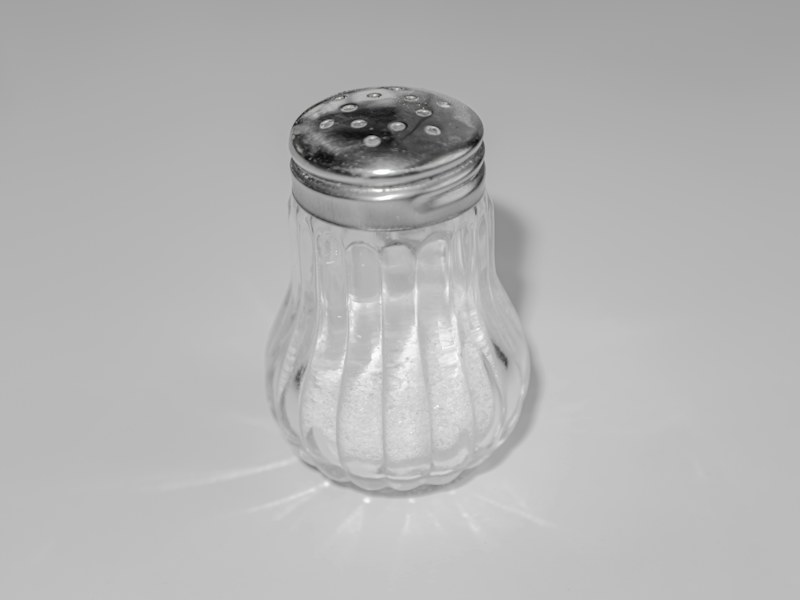
When people think about the effects of too much salt, high blood pressure and heart disease usually come to mind first. Fewer people realize that a high-salt diet may also affect bone health. Sodium and calcium share a close relationship in the kidneys, and consuming large amounts of sodium can increase the amount of calcium the body loses through urine.
Over many years, this extra calcium loss may matter, particularly for people whose calcium intake is already low. This article explains how sodium affects calcium balance, where hidden salt comes from, and simple ways to reduce intake for healthier bones.
How Sodium Affects Calcium
The kidneys filter blood and decide which substances to keep and which to excrete. Sodium and calcium are handled through partly linked pathways. When sodium intake is high, the kidneys excrete more sodium, and calcium tends to be excreted along with it.
Research has estimated that for every 2,300 mg of sodium excreted (roughly the amount in one teaspoon of salt), about 40 mg of calcium may also be lost in urine. This might sound small, but over months and years, ongoing losses can add up, especially if dietary calcium does not compensate.
What the Research Shows
Studies on salt and bone health have produced mixed but meaningful findings:
- High sodium intake consistently increases urinary calcium excretion.
- Some studies in postmenopausal women have linked higher sodium intake with greater bone loss, particularly at the hip.
- The effect appears more significant when calcium intake is low.
- Diets lower in sodium and rich in fruits, vegetables, and low-fat dairy, such as the DASH eating pattern, have been associated with reduced markers of bone turnover.
Overall, the evidence suggests that reducing excessive salt is a sensible part of a bone-healthy lifestyle, along with meeting calcium needs.
How Much Sodium Is Too Much?
Many health authorities recommend that adults consume less than 2,300 mg of sodium per day, about one teaspoon of table salt. Some organizations suggest an ideal limit of 1,500 mg for many adults. Children need even less, with limits based on age.
In reality, average intakes in many countries are well above these levels, often around 3,400 mg per day or more.
Where Does Most Salt Come From?
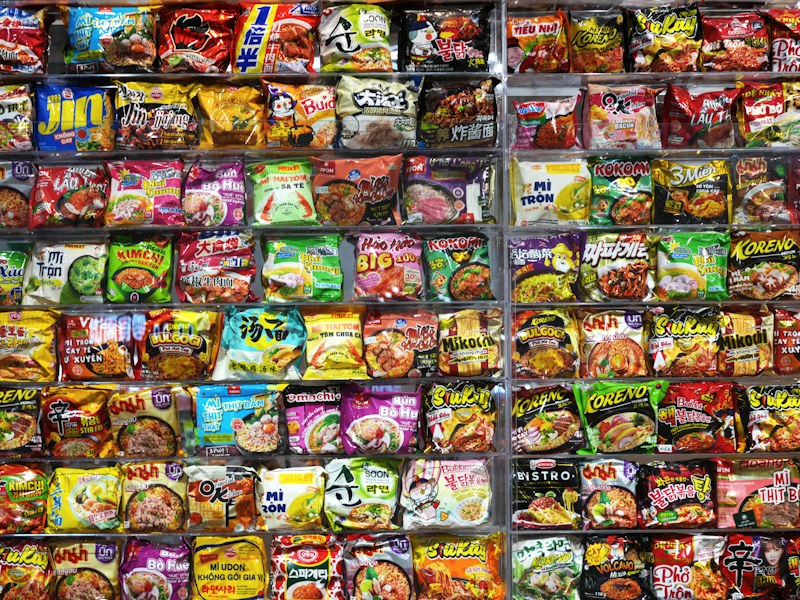
Surprisingly, most sodium in the typical diet does not come from the salt shaker. The majority comes from processed and restaurant foods, including:
- Breads and rolls
- Processed meats such as ham, bacon, sausages, and deli meats
- Pizza, burgers, and sandwiches from restaurants
- Canned soups and instant noodles
- Savory snacks like chips, crackers, and pretzels
- Sauces and condiments such as soy sauce, ketchup, and salad dressings
- Frozen ready meals
- Processed cheese
Many of these foods are also high in phosphate additives and low in calcium, adding further pressure on bone health.
Read more: Phosphorus and Bone Health: Finding the Right Balance With Calcium
Practical Ways to Reduce Salt
- Read nutrition labels. Compare sodium content and choose products labeled “low sodium” or “no salt added.”
- Cook more at home. Preparing your own meals gives you control over how much salt is used.
- Flavor with herbs and spices. Garlic, ginger, lemon juice, pepper, basil, and other seasonings add flavor without sodium.
- Rinse canned foods. Rinsing canned beans and vegetables can remove some sodium.
- Limit processed meats and salty snacks. Choose fresh meat, fish, eggs, and unsalted nuts instead.
- Go easy on sauces. Use reduced-sodium versions or smaller amounts.
- Taste before salting. Many dishes need less salt than habit suggests.
- Adjust gradually. Taste buds adapt to lower salt levels within a few weeks.
Potassium: A Helpful Counterbalance
Potassium-rich foods may help reduce urinary calcium loss and support healthy blood pressure. Fruits and vegetables such as bananas, oranges, potatoes, sweet potatoes, beans, spinach, tomatoes, and avocados are good sources. A diet rich in produce naturally contains more potassium and less sodium.
Children and Salt
Salt preferences are formed early in life. Children who regularly eat salty snacks and processed foods may develop a lasting taste for salt. Because childhood is the most important time for building bone, families can benefit from offering home-cooked meals, fresh snacks, and limiting fast food and salty packaged products.
Read more: Habits That Can Interfere With Healthy Growth and Bone Development

Building a Bone-Friendly Plate
Reducing salt works best as part of an overall healthy eating pattern. A bone-friendly plate includes:
- Calcium-rich foods such as dairy, fortified plant milks, tofu, and leafy greens
- Plenty of fruits and vegetables for potassium, magnesium, and vitamin K
- Quality protein from fish, eggs, legumes, and lean meats
- Whole grains instead of refined, salty processed foods
Read more: How Caffeine and Soft Drinks Affect Calcium and Bone Health
Conclusion
High salt intake increases the amount of calcium lost through urine, and over time this may contribute to bone loss, especially when calcium intake is low. Since most sodium comes from processed and restaurant foods, cooking at home, reading labels, using herbs and spices, and eating more fruits and vegetables are effective ways to cut back. Combined with adequate calcium, vitamin D, and regular exercise, a lower-salt diet supports both heart and bone health.
This article is for educational purposes and does not replace personalized advice from a healthcare professional.
