
Blog
Habits That Can Interfere With Healthy Growth and Bone Development
Th9
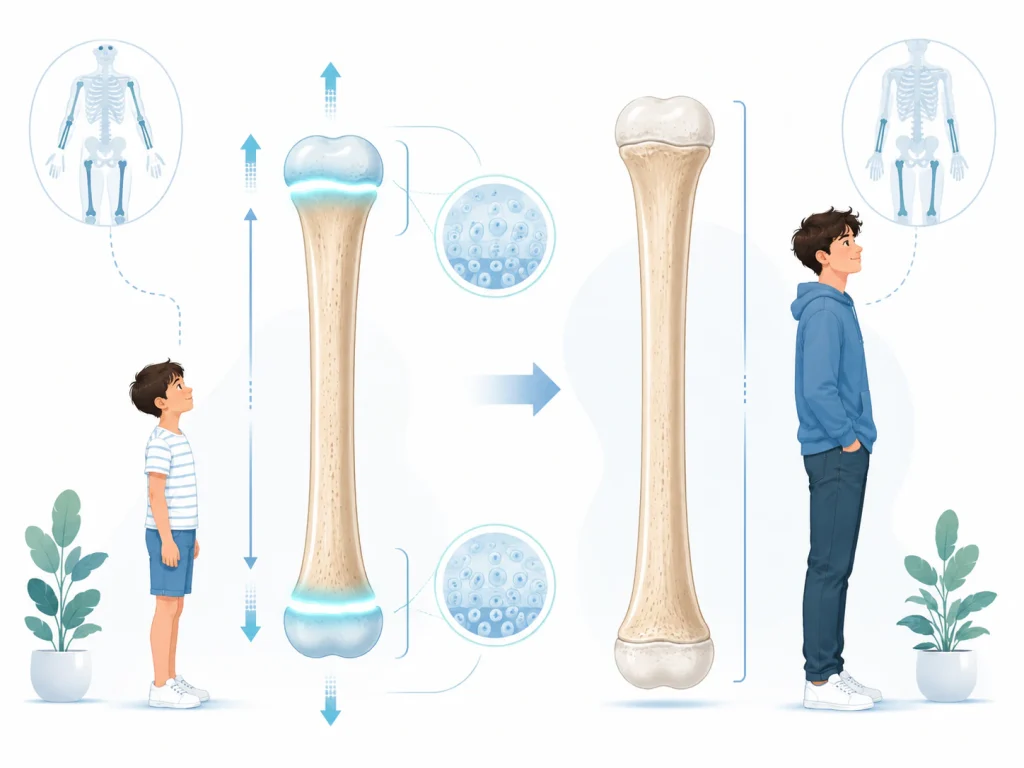
Height is influenced by many factors, including genetics, age, hormones, nutrition, sleep, physical activity, and overall health. While there is no single habit that determines how tall a person will become, daily lifestyle choices can affect whether the body has the conditions it needs for normal growth and healthy bone development.
This is especially important during childhood and adolescence, when bones are still developing and growth plates remain active. For adults, most height growth has already ended, but lifestyle habits continue to influence bone strength, posture, muscle health, and long-term skeletal wellness.
The good news is that many habits that interfere with healthy development can be improved. Understanding them can help children, teenagers, and adults make better decisions for their bones and overall health.
1. Consistently Getting Too Little Sleep
Sleep is more than a period of rest. It is an important part of the body’s recovery and regulation processes.
During childhood and adolescence, adequate sleep supports normal physical development, hormone regulation, tissue repair, immune function, and overall health. Regularly sleeping too little may make it more difficult for the body to maintain these processes efficiently.
Common causes of insufficient sleep include:
- Staying up late using smartphones
- Watching videos or playing games at night
- Irregular sleep schedules
- Excessive homework or studying late
- Caffeine consumption late in the day
- Poor sleep environments
One late night is unlikely to have a meaningful effect on growth. The bigger concern is a long-term pattern of insufficient or poor-quality sleep.
For growing children and teenagers, establishing a consistent sleep routine is therefore an important part of supporting healthy development.
2. Eating Too Little or Following Extremely Restrictive Diets
Growing bodies need energy and nutrients.
During periods of rapid growth, children and teenagers require adequate calories, protein, calcium, vitamin D, magnesium, phosphorus, and other nutrients to support normal development.
Extreme dieting can become a problem when a person consistently consumes less energy or nutrients than the body requires.
Examples include:
- Skipping meals regularly
- Extremely low-calorie diets
- Eliminating entire food groups without a nutritional reason
- Excessive fasting during adolescence
- Fear of eating certain nutrient-rich foods
- Replacing balanced meals with low-nutrient snacks
The goal is not simply to eat more. It is to eat enough of the right foods to meet the body’s nutritional needs.
A balanced diet containing protein, vegetables, fruits, whole grains, healthy fats, and calcium-rich foods can provide a much stronger nutritional foundation for growth and bone health.
Read more: Does Protein Help You Grow Taller? The Connection Between Protein and Height
3. Not Getting Enough Calcium
Calcium is one of the major minerals found in bones.
The body constantly remodels bone tissue. During childhood and adolescence, adequate calcium intake is particularly important because bones are increasing in size and mass.
A diet consistently low in calcium may make it more difficult to meet the body’s needs.
Common calcium-rich foods include:
- Milk
- Yogurt
- Cheese
- Calcium-fortified plant beverages
- Tofu made with calcium
- Certain fish eaten with bones
- Some leafy green vegetables
- Calcium-fortified foods
For people who struggle to obtain enough calcium from food, a calcium supplement may be considered depending on individual dietary needs.
However, more calcium is not automatically better. Supplements should complement a balanced diet rather than replace it.
4. Spending Too Little Time Outdoors
Vitamin D plays an important role in calcium absorption and bone health.
One way the body produces vitamin D is through exposure to sunlight. However, vitamin D status can also be influenced by diet, geographic location, season, skin characteristics, clothing, sunscreen use, and lifestyle.
Spending most of the day indoors may reduce opportunities for sunlight exposure.
At the same time, excessive sun exposure carries its own risks. The goal is not to spend long periods in intense sunlight without protection.
For people at risk of vitamin D deficiency, dietary sources or supplements may be appropriate after considering individual circumstances.
The key point is that calcium and vitamin D work together as part of a broader system supporting normal bone health.
5. Avoiding Physical Activity
Bones respond to mechanical loading.
Regular weight-bearing physical activity helps support bone strength and muscle development. Exercise also contributes to balance, coordination, posture, and overall physical fitness.
Children and teenagers can benefit from activities such as:
- Walking
- Running
- Jumping
- Dancing
- Team sports
- Swimming combined with weight-bearing activities
- Age-appropriate resistance exercises
Exercise does not magically lengthen bones or override genetic height potential.
Instead, regular physical activity helps create a healthier environment for normal development and long-term skeletal health.
For adults, staying physically active remains important even after height growth has ended because bone and muscle health continue to matter throughout life.
6. Spending Excessive Time Sitting
Modern lifestyles can involve long periods of sitting at school, work, or home.
Sitting itself does not directly make someone shorter. However, a highly sedentary lifestyle can reduce physical activity and contribute to weaker muscles, poorer physical conditioning, and less favorable posture.
For teenagers and adults, long periods of sitting can also encourage habits such as:
- Slouching
- Forward-head posture
- Rounded shoulders
- Tight hip muscles
- Weak core muscles
These changes may affect how tall and upright a person appears.
Taking regular movement breaks can help.
Simple habits such as standing up, walking around, stretching, or changing position throughout the day can reduce prolonged inactivity.
7. Poor Posture
Posture does not determine the actual length of your bones.
However, it can significantly influence how your height appears.
For example, someone who regularly stands with rounded shoulders and a forward head may appear shorter than someone who maintains a naturally upright posture.
Poor posture can also contribute to:
- Neck discomfort
- Back discomfort
- Muscle imbalance
- Reduced movement efficiency
Improving posture will not make adult bones longer, but it can help a person stand closer to their natural full height.
This is one reason posture exercises are useful for both teenagers and adults.
8. Smoking and Exposure to Tobacco Smoke
Smoking is harmful to many aspects of health, including the skeletal system.
Tobacco exposure has been associated with negative effects on bone health and healing.
For teenagers, avoiding smoking and nicotine exposure is particularly important because adolescence is a critical period of physical development.
Adults can also benefit from avoiding tobacco because maintaining strong bones becomes increasingly important as people age.
If someone currently smokes, quitting can provide benefits far beyond height or bone health.
9. Excessive Alcohol Consumption
Alcohol can negatively affect overall nutrition and bone health when consumed excessively.
Heavy alcohol consumption may interfere with nutritional intake, physical activity, hormone regulation, and bone metabolism.
For adults, maintaining moderate or avoiding alcohol consumption is part of a broader healthy lifestyle.
For children and teenagers, alcohol should be avoided.
It is important to distinguish occasional behavior from chronic excessive consumption. Long-term patterns generally matter more than isolated events.
10. Relying Too Much on Junk Food
Eating fast food or snacks occasionally does not automatically harm growth.
The concern arises when highly processed, nutrient-poor foods consistently replace balanced meals.
A diet dominated by foods that are high in calories but low in essential nutrients may make it harder to obtain adequate amounts of:
- Calcium
- Protein
- Vitamin D
- Magnesium
- Zinc
- Iron
- Vitamins
- Fiber
Instead of completely eliminating favorite foods, a more sustainable strategy is to build balanced meals around nutrient-dense foods.
For example, a meal might include:
Protein + vegetables + whole grains + healthy fats + a calcium-rich food
This approach is generally more practical than trying to follow a perfect diet.
11. Ignoring Digestive or Nutritional Problems
Sometimes the problem is not what a person eats but how well the body absorbs nutrients.
Certain digestive conditions can interfere with nutrient absorption. Persistent digestive symptoms, unexplained weight loss, chronic diarrhea, or other concerning symptoms should not simply be treated as a dietary problem.
If a child or teenager is growing significantly slower than expected, a healthcare professional can assess growth patterns and determine whether further evaluation is appropriate.
Growth should always be considered in the context of the individual’s age, sex, genetics, development stage, and overall health.
12. Constant Stress and an Unhealthy Lifestyle
Stress is a normal part of life, but chronic stress combined with poor sleep, inadequate nutrition, and inactivity can create an unhealthy overall lifestyle.
The important point is not that stress alone automatically prevents someone from reaching their genetically determined height.
Rather, prolonged stress may contribute indirectly by affecting behaviors such as:
- Sleep
- Appetite
- Physical activity
- Eating patterns
- Daily routines
For teenagers, maintaining a predictable routine, getting enough sleep, staying active, eating regularly, and having supportive relationships can contribute to healthier development.
13. Expecting Supplements to Replace Healthy Habits
This is one of the most common mistakes in the height-support market.
A supplement cannot replace:
- Adequate nutrition
- Sufficient sleep
- Regular exercise
- Healthy body weight
- Good lifestyle habits
- Appropriate medical care when needed
Calcium supplements can help people meet calcium requirements when dietary intake is insufficient, but calcium alone cannot override genetics or reopen closed growth plates.
The same principle applies to products containing vitamin D, magnesium, zinc, protein, or other nutrients.
Supplements should be viewed as part of a nutritional strategy rather than a shortcut to becoming taller.
14. Can Hito Calcium Be Part of a Healthy Routine?
For people who have difficulty meeting their calcium needs through diet, Hito Calcium can be incorporated as a convenient source of calcium as part of a broader nutrition and bone-health routine.
The role of a calcium supplement is primarily to help support adequate calcium intake and normal bone health.
It should not be presented as a guaranteed height-increasing product, particularly for adults whose growth plates have already closed.
A sensible routine may combine:
- A balanced diet
- Adequate protein
- Calcium-rich foods
- Appropriate vitamin D intake
- Regular physical activity
- Sufficient sleep
- Good posture
- A calcium supplement when appropriate
This approach focuses on supporting the body’s nutritional and skeletal needs rather than relying on one product or one nutrient.
15. What Should Teenagers Focus on Most?
For teenagers who are still growing, the priority should be overall health rather than obsessing over height.
A practical daily routine might look like this:
Morning
Start the day with a nutritious breakfast containing protein and other essential nutrients.
During the day
Eat balanced meals and stay physically active.
After school
Spend time moving rather than remaining seated for the entire afternoon.
Evening
Complete homework while taking regular movement breaks.
Before bed
Reduce screen exposure and establish a consistent bedtime routine.
Long term
Maintain healthy eating, regular activity, adequate sleep, and appropriate medical care.
These habits support normal development without creating unrealistic expectations about height.
Read more: Can Calcium Supplements Help You Grow Taller? Facts vs. Myths
16. What About Adults?
For adults, the situation is different.
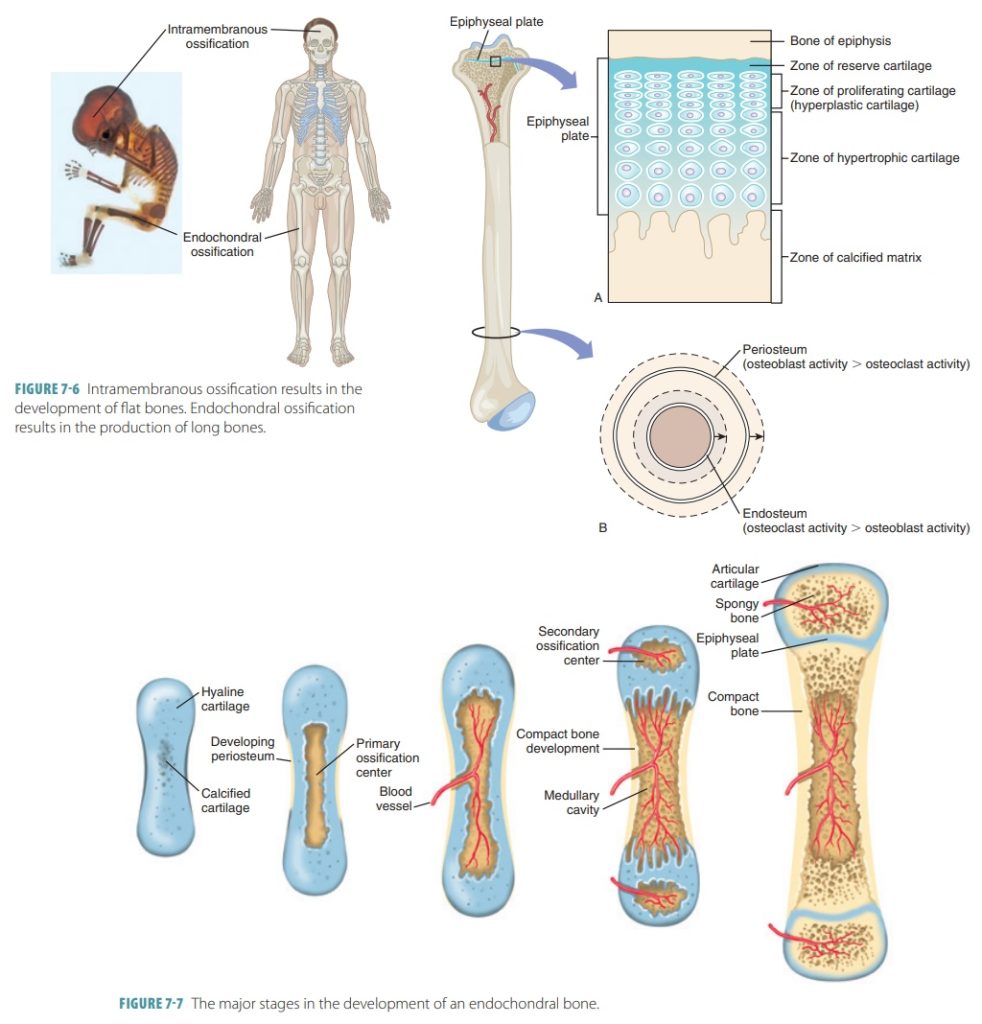
Once the growth plates have closed, lifestyle changes generally cannot make the long bones longer.
However, healthy habits remain extremely important.
Adults can still improve:
- Bone strength
- Muscle strength
- Posture
- Balance
- Physical fitness
- Nutritional status
- Long-term skeletal health
Someone who improves their posture and strengthens their core and back muscles may also appear taller and more upright, even though their actual bone length has not changed.
This distinction is important when evaluating products or programs that promise dramatic adult height increases.
The Bigger Picture: Height Is Not Controlled by One Habit
It is tempting to search for one habit that explains why someone is tall or short.
In reality, height is a complex biological trait.
Genetics plays a major role, while nutrition, hormones, health conditions, sleep, physical activity, and environmental factors also contribute to growth and development.
A healthy lifestyle cannot guarantee a specific height.
What it can do is help provide the conditions needed for normal development and help protect bone and muscle health throughout life.
For children and teenagers, the focus should be on supporting healthy growth rather than chasing unrealistic height targets.
For adults, the focus should shift toward maintaining strong bones, good posture, muscle health, and overall physical wellness.
Final Thoughts
There is no single habit that determines how tall a person will become. However, consistently poor sleep, inadequate nutrition, extreme dieting, physical inactivity, tobacco exposure, excessive alcohol consumption, and neglecting bone-health needs can work against overall physical development and skeletal wellness.
The best approach is simple: eat well, sleep enough, stay active, maintain healthy routines, and give your body the nutrients it needs.
Calcium is one important part of this picture. If dietary calcium intake is insufficient, a product such as Hito Calcium may help complement a balanced diet.
Most importantly, avoid quick-fix promises. Healthy growth and strong bones are built through consistent habits over time.
Frequently Asked Questions
1. Can bad habits stop a teenager from growing taller?
Poor nutrition, inadequate sleep, certain health problems, and other unfavorable conditions can interfere with normal development. However, no single habit determines final height.
2. Does staying up late make you shorter?
Occasionally staying up late does not mean you will become shorter. The concern is chronic insufficient sleep, particularly during childhood and adolescence when the body is undergoing significant development.
3. Can skipping meals affect height growth?
Consistently inadequate nutrition can make it harder for a growing body to obtain the energy and nutrients it needs. Regular balanced meals are important during growth.
4. Does sitting too much make you shorter?
Sitting does not shorten your bones. However, prolonged inactivity can contribute to weaker muscles and poor posture, which may affect how tall you appear.
5. Can poor posture reduce actual height?
Poor posture does not shorten your bones, but it can prevent you from standing at your full natural posture and may make you appear shorter.
6. Can calcium supplements make adults taller?
Calcium supports normal bone health but does not make adult long bones grow longer after growth plates have closed.
7. What is the most important habit for healthy growth?
There is no single most important habit. Adequate nutrition, sleep, physical activity, healthy body weight, and appropriate healthcare all contribute to healthy development.
8. Can Hito Calcium replace a healthy diet?
No. Hito Calcium should complement a balanced diet rather than replace nutritious foods, adequate protein, physical activity, and healthy lifestyle habits.
