
Blog
Nutrients for Kids & Teens: The Foundation for Comprehensive Development

Th7
During the developmental stage from childhood to adolescence, the body requires a large amount of essential nutrients to ensure comprehensive development in physical, intellectual, and emotional aspects. The article below will help you better understand the nutrients for kids & teens, as well as how to effectively supplement nutrition at each age to provide a strong foundation for their physical and intellectual growth.
Why is it necessary to supplement nutrients for kids & teens?
Childhood and adolescence are stages when the body grows rapidly, both physically and mentally. Providing sufficient nutrients during this time plays a decisive role in height, weight, bone structure, learning ability, and immune strength. Without adequate essential micronutrients, children may experience stunted growth, malnutrition, poor academic performance, and increased susceptibility to illness.

During school age and puberty, the brain and nervous system require a lot of energy to function effectively. Nutrients such as iron, zinc, DHA, and B-group vitamins help improve memory and concentration. When lacking these nutrients, children often feel tired, have trouble focusing, are easily stressed by schoolwork, and their academic performance may be affected.
Read more: Supplement to help kids grow taller
The immune system of children is also not fully developed, making them more vulnerable to viruses and bacteria. When nutrients for kids & teens are properly supplemented, the body can build an effective defense against illnesses and shorten recovery time after being sick. In addition, an unbalanced diet in childhood can have long-term consequences such as obesity, diabetes, high blood pressure, or short stature in adulthood.
Nutrition for children during their developmental stage not only affects their physical health but also plays a role in shaping their psychology and self-confidence. Children who are properly nourished tend to be healthy, active, cheerful, and socially adaptable.

The most important nutrients for kids & teens
Children and teenagers not only need enough energy from daily meals, but also need to be supplemented with essential micronutrients to support the development of bones, muscles, the brain, and the immune system. Below are the most important nutrients for kids & teens that need attention.
Calcium and Vitamin D – Bone and height development
Calcium is the primary mineral that makes up bones and teeth. Throughout childhood and especially during puberty, the demand for calcium increases to meet the rapid growth in height. Without enough calcium, children are prone to rickets, stunted growth, and early-onset osteoporosis in adulthood.
Vitamin D helps the body effectively absorb calcium from the intestines. If a child’s diet lacks vitamin D, then even with sufficient calcium, it won’t be effective and may even cause abnormal deposits in the body.
Calcium and vitamin D-rich food sources: milk, yogurt, cheese, sardines, salmon, egg yolks, mushrooms, and sunlight (helps synthesize natural vitamin D).

Iron – Blood formation and enhanced concentration
Iron is an essential component of hemoglobin – the substance that transports oxygen to the body’s tissues. During periods of rapid growth, iron needs increase to support blood production, especially in girls after puberty due to the onset of menstruation. Iron deficiency causes anemia, making children tired, pale, less focused, drowsy, and slower in learning.
Iron-rich food sources: red meat, animal liver, seafood, eggs, soybeans, spinach, and legumes. Plant-based iron should be eaten with vitamin C-rich foods to enhance absorption.
Zinc – Physical growth and immunity
Zinc is a key nutrient for children and teenagers with many health roles. It is a micronutrient that promotes growth, cell development, improves appetite, and enhances immune function. Zinc deficiency makes children eat poorly, get sick easily, have slow wound healing, and be more prone to diarrhea or skin inflammation. Especially, zinc helps regulate hormonal activity during puberty, supporting full development in both physical and sexual aspects.
Zinc-rich food sources: seafood (especially oysters), beef, chicken, eggs, nuts (pumpkin seeds, almonds), and soybeans.

Omega-3 (DHA, EPA) – Brain and vision development
Omega-3 is a group of essential fatty acids that the body cannot synthesize on its own, most notably DHA and EPA. DHA makes up a large part of the brain’s gray matter and the retina, supporting brain development, memory, and learning ability. EPA helps reduce inflammation, regulate mood, and improve blood circulation. Children who get enough Omega-3 are often alert, focused, quick to react, and less prone to behavioral disorders.
Omega-3-rich food sources: salmon, mackerel, sardines, chia seeds, flaxseeds, walnuts, fish oil.
B vitamins – Energy metabolism and nervous system support
B vitamins (B1, B2, B3, B5, B6, B12, folate…) are essential vitamins for children, helping convert nutrients into energy, supporting blood cell production, and maintaining stable nervous system function. This group of vitamins is especially important for children and students during intense learning periods. B vitamin deficiency can cause fatigue, insomnia, memory loss, and irritability.
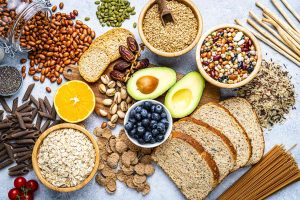
Food sources: whole grains, meat, fish, eggs, milk, legumes, dark leafy greens.
Other vitamins and minerals
- Vitamin A helps protect the eyes, enhance vision, support immunity, and promote cell development
- Vitamin C is an antioxidant, increases iron absorption, and strengthens the immune system
- Vitamin E and selenium help protect cells from damage and prevent premature aging
- Magnesium is needed for the activity of more than 300 enzymes in the body, helps relax muscles, and improves sleep
- Iodine supports the thyroid, brain development, and metabolism regulation
Food sources: fresh fruits, vegetables, nuts, seafood, eggs, milk, and iodized salt.
Suggestions for effective nutrient supplementation for children and adolescents
To ensure that children and adolescents receive sufficient nutrients, it is important not only to consider the nutritional needs for each age group but also to pay attention to the appropriate supplementation methods according to age, physical condition, and lifestyle habits.
Read more: Height Increase Pills After 25: Are They Still Effective?
First and foremost, a diverse and balanced diet is the most important foundation for children to access essential nutrients for their development. Daily meals should include all food groups from carbohydrates, protein, and fats to vegetables and fresh fruits. Try to vary the dishes regularly to make meals more appealing while ensuring children receive all necessary vitamins and minerals from natural foods.

In addition to nutrition, physical activity plays an important role in helping the body absorb and metabolize nutrients more effectively. Children should be encouraged to engage in at least 60 minutes of physical activity each day, from light activities like walking and cycling to sports such as swimming, football, or badminton—appropriate to their age and personal interests.
Moreover, sufficient and quality sleep is also essential. This is the time when the body secretes growth hormone and performs recovery and tissue-building processes, which are especially important for children going through puberty. Young children need 10–12 hours of sleep per day, while adolescents should maintain 8–10 hours.
Finally, parents should help build healthy eating habits, maintain a relaxed atmosphere during meals, and avoid putting pressure on the child. Nurturing a healthy body starts with simple but consistent daily changes.

For children who are picky eaters, have poor appetite, or show signs of nutrient deficiency (such as slow weight gain, frequent illness, or poor academic performance), parents may consider using nutritional supplements or specialized nutritional products. However, it is important to choose reputable nutrients for kids & teens that are age-appropriate, clearly sourced, and consult with a nutritionist or pediatrician before long-term use.
Hito, with a variety of products such as Canxi Hito, Hito Tall, Hito A+, Hito Yum, etc., offers diverse nutritional supplements for children, providing essential nutrients to support their care and optimal development. If parents have any questions about nutrition, don’t hesitate to contact Hito’s nutrition experts for the most detailed consultation.
