
Blog
8 Best Protein-Rich Foods to Support Height Growth You Should Know

Th6
It’s not just calcium that boosts height development—scientific research confirms that protein is also a key nutrient that helps the body grow taller and stronger with an ideal physique. Fortunately, protein-rich foods for height growth are affordable, easy to find, and can be turned into a wide variety of everyday meals.
> The Best Arginine Supplements for Height Growth – Save This List Now!
Why Is Protein Important for Height Development?
Many people believe that calcium is the most crucial element for height growth in children and teenagers. However, scientific studies have shown that focusing on calcium alone is not enough. Another essential nutrient that must not be overlooked is protein.
It’s no coincidence that experts recommend protein-rich foods to promote height growth. Alongside fats and carbohydrates, protein is one of the three essential macronutrients needed to maintain a healthy body. Proteins are made up of amino acids, which are vital for building and maintaining blood, hair, skin, nails, muscles, bones, as well as cells in the endocrine and immune systems.
Thanks to protein, the body gains energy, synthesizes DNA, RNA, hormones, and enzymes. It also helps repair and grow muscles, keeping the body strong, alert, and healthy. In short, protein is a crucial nutrient for normal physical development and overall well-being. Especially, protein also plays an important role in promoting the growth and development of height by providing key elements for bones and muscle tissue, helping bones lengthen and grow. Protein produces collagen—a component of bones and connective tissues—that supports the growth of bone and cartilage. It also actively contributes to muscle development; a strong and toned muscular system creates favorable conditions for bone extension and height development. Additionally, protein enhances calcium absorption. Certain amino acids in protein, such as Arginine and Lysine, help the body produce growth hormone (GH), which stimulates height growth.
How much protein is enough?
To maintain good health and optimal development, the recommended protein intake varies by age. According to nutritional studies by the World Health Organization (WHO), to best support height growth, you should pay attention to selecting protein-rich foods based on the following recommended daily intake:
- Children aged 1–3 years: 15–20g of protein/day
- Children aged 4–8 years: 20–30g of protein/day
- Children aged 9–13 years: 35–50g of protein/day
- Teenagers aged 14–18 years: 60–75g of protein/day
- Adults >19 years: 60–80g of protein/day
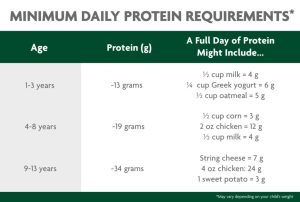
This amount will help optimize height development, and make the body stronger and healthier. For those who play sports, engage in intense physical activity, or have difficulty developing physically, it may be necessary to consume 1.2–2.0g of protein per kilogram of body weight per day.
Top Protein-Rich Foods for Fast Height Growth
Protein is essential, but there are 9 amino acids that the body cannot synthesize on its own — they must be obtained from food. Additionally, a varied and balanced diet helps ensure the body gets enough protein and other nutrients for optimal health and development. Below are some of the most protein-rich foods that support height growth and overall health.
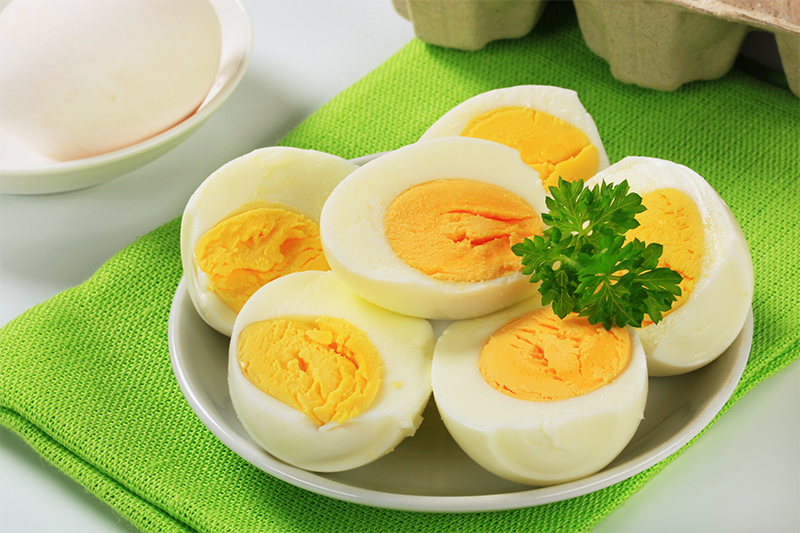
Eggs
Eggs are affordable, easy to find, rich in protein and other nutrients. One egg contains about 5–6g of protein, along with healthy fats, antioxidants, vitamins, and minerals — especially vitamin D, which enhances calcium absorption and supports height development.
Chicken
Chicken is rich in protein. 100g of chicken can provide about 23–25g of protein, low in fat, and especially high in vitamin B12 — a water-soluble vitamin that plays a crucial role in height development and maintenance. Eating chicken also provides taurine — an amino acid that regulates bone formation and growth.
In addition to chicken, you can also choose pork, beef, and other poultry, which are also excellent sources of protein beneficial for the body and height development.
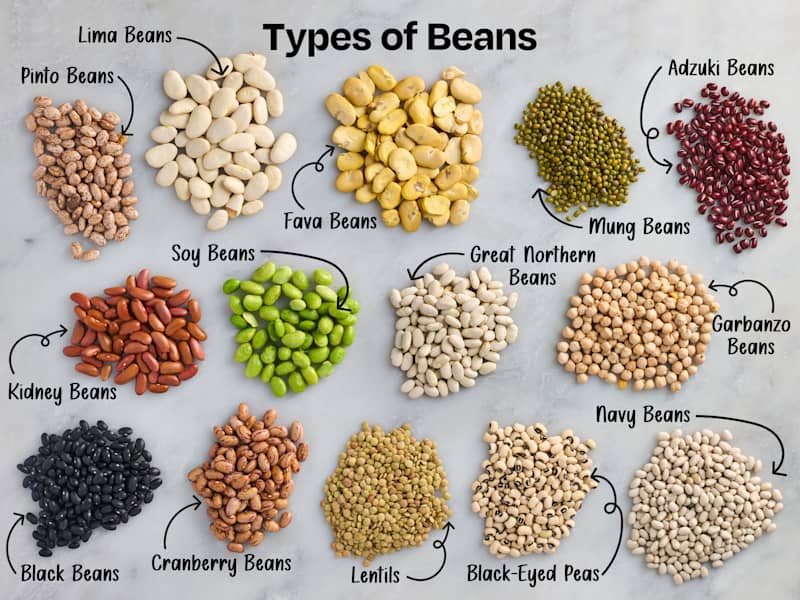
Legumes
For vegetarians, soybeans are one of the best protein-rich foods for height growth. The plant-based protein found in soybeans, lentils, and mung beans has been shown to boost the secretion of IGF-1 hormone, which supports height improvement. Soy protein is a complete protein, containing all 9 essential amino acids, along with fiber, vitamins, and antioxidants beneficial to health. Just 100g of boiled soybeans provides around 16g of protein for the body.
Quinoa
Similar to soybeans, quinoa is a plant-based complete protein that contains all 9 essential amino acids the body cannot synthesize on its own. Each serving of quinoa also delivers a significant amount of manganese, folate, and phosphorus — all vital micronutrients for bone health.
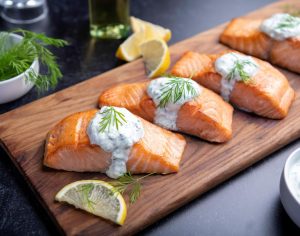
Salmon
Salmon is one of the most nutrient-rich fatty fish. Just 100g of salmon provides about 20g of protein, along with omega-3 fatty acids, B vitamins, selenium, potassium, and more. Numerous studies have shown that the omega-3 fatty acids in salmon are closely linked to bone health and aid in bone formation, helping to maximize both height and muscle development.
Milk and dairy products
When it comes to the best protein-rich foods to support height growth, milk and its derivatives such as cream, cheese, and yogurt are indispensable. These foods are not only rich in protein but also packed with calcium and vitamin D3 — essential nutrients that help strengthen bones and optimize height development. A 250ml glass of fresh milk supplies around 8–10g of protein. However, if you are lactose intolerant, it’s best to avoid milk and dairy products.
Almonds
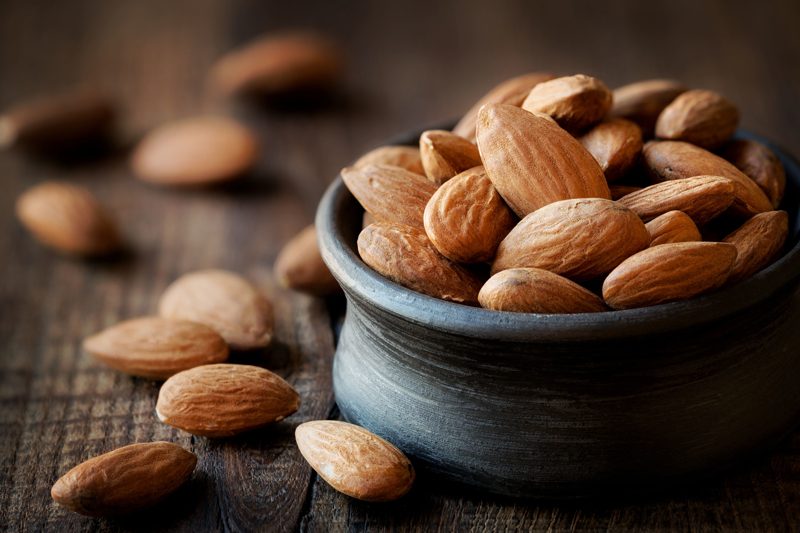
Almonds are a highly nutritious nut and offer more protein compared to many other nuts. A single serving (28g or about 23 almonds) provides approximately 6g of protein, along with calcium, magnesium, and vitamin E. These nutrients help nourish bone cells, strengthen bones, and support height growth.
Whey protein
For teenagers and adults, whey protein powder is an abundant source of protein. One scoop of whey can provide 20–23g of protein, making it ideal for building muscle and supporting bone development.
Things to keep in mind when choosing protein-rich foods for height growth
Clearly, protein is a vital nutrient that supports a healthy and well-developed body. If you want to increase your height, protein must be a regular part of your diet. However, when selecting protein-rich foods to support height growth, it’s important to include a balance of both animal-based and plant-based protein sources. Prioritize natural proteins from eggs, lean meats, milk, and legumes. For vegetarians, it’s essential to consume a variety of protein-rich foods—especially complete proteins—to avoid nutritional deficiencies. Examples include:
Brown rice + lentils
Oats + chia seeds + plant-based milk
Tofu + green vegetables + quinoa
Hito is an ideal supplement to support height growth and overall health
Even if you’re aiming to grow taller, consuming excessive protein in each meal is not recommended, as it can put a heavy burden on the liver and kidneys, potentially causing dehydration or constipation. It’s best to follow the recommended daily intake of protein and combine it with essential vitamins, minerals, healthy fats, and carbohydrates to support comprehensive body development. Additionally, you can incorporate moderate amounts of protein, calcium, and vitamins from supplements to promote height growth effectively. Especially, increasing your intake of Arginine-rich foods for height growth can help stimulate GH (growth hormone) production and support better height improvement.
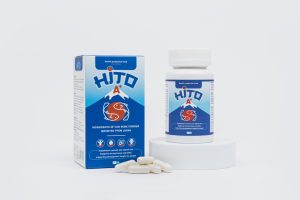
Canxi Hito is a protein-supporting height growth supplement enriched with organic calcium sourced from cod fish bone powder and Japanese red algae, along with vitamin D2 and vitamin K3 to maximize calcium absorption. Notably, Hito also provides key nutrients to support bone development, such as Type II Collagen, magnesium, B vitamins, zinc, and amino acids like Arginine and Lysine. Using Hito alongside a well-balanced diet and proper rest routine can naturally boost GH hormone production, significantly enhance height, and reduce the risk of osteoporosis and musculoskeletal pain.
