
Blog
Plant-Based Sources of Calcium: A Complete Guide for Dairy-Free Diets

Th10
For decades, milk has been promoted as the main way to get enough calcium. But many people do not drink milk, whether because of lactose intolerance, a dairy allergy, cultural food traditions, or a vegetarian or vegan lifestyle. The good news is that a well-planned plant-based diet can still provide meaningful amounts of calcium. The key is knowing which foods to choose, how much they contain, and how well your body can absorb the calcium they offer.
This guide covers the most reliable plant-based sources of calcium, the factors that influence absorption, and practical meal ideas to help you meet your daily needs without dairy.
Why Plant-Based Eaters Need to Plan Calcium Intake
Calcium is essential for building and maintaining strong bones and teeth, and it supports muscle function, nerve signaling, and heart rhythm. Studies have found that people following vegan diets often have lower average calcium intakes than people who eat dairy, which may affect bone health over time if not addressed.
This does not mean plant-based diets are inherently poor for bones. It simply means that calcium-rich plant foods and fortified products need to appear regularly on the menu, rather than being left to chance.
Read more: Why Is Calcium Essential for Healthy Bones?
Top Plant-Based Sources of Calcium
1. Calcium-set tofu
Tofu made with calcium sulfate (check the ingredient list) is one of the richest plant sources of calcium. Depending on the brand, half a cup of firm calcium-set tofu can provide several hundred milligrams of calcium, rivaling or exceeding a glass of milk. Tofu set with other coagulants, such as nigari (magnesium chloride), contains considerably less.
2. Fortified plant milks and juices
Many soy, almond, oat, and rice drinks are fortified to provide calcium amounts similar to cow’s milk. Fortified orange juice is another option. Because the added calcium can settle at the bottom of the carton, always shake well before pouring.
3. Low-oxalate leafy greens
Kale, bok choy, collard greens, turnip greens, and mustard greens contain calcium that the body absorbs quite well, often at a higher rate than the calcium in milk. Although the amount per serving is moderate, these greens are an excellent everyday addition to soups, stir-fries, and salads.
4. Legumes
White beans, navy beans, chickpeas, and soybeans (edamame) provide modest amounts of calcium along with protein and fiber. Tempeh, a fermented soybean product, is another useful source.
5. Nuts and seeds
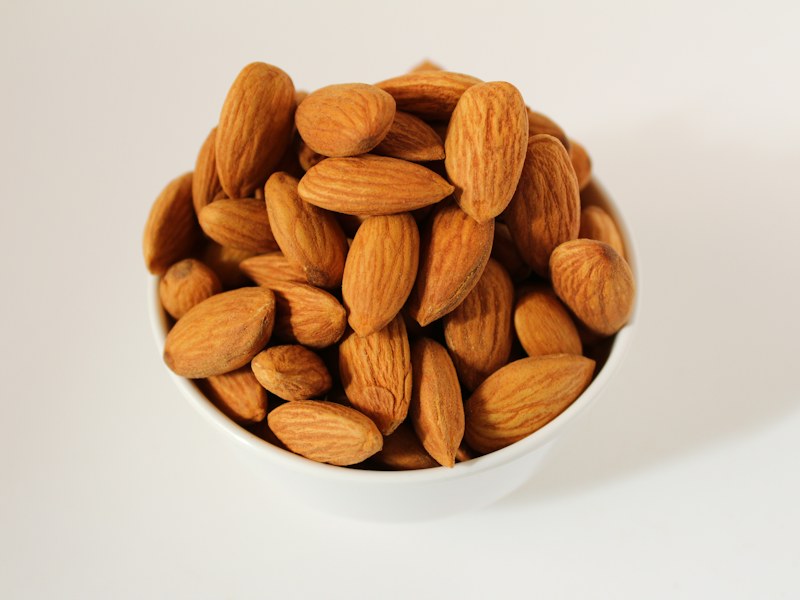
Almonds are among the most calcium-rich nuts. Sesame seeds and tahini (sesame paste) also contribute calcium, especially when made from unhulled seeds. Chia seeds provide calcium in a convenient form that can be added to breakfasts and snacks.
6. Dried figs and other fruits
Dried figs provide a surprising amount of calcium for a fruit. Oranges also contribute smaller amounts. For more fruit options, see Fruits Rich in Calcium.

Understanding Calcium Absorption from Plants
The amount of calcium listed on a nutrition label is not the full story. What matters is how much your body can absorb, known as bioavailability. Several compounds found in plants affect this:
- Oxalates bind calcium tightly. Spinach, Swiss chard, and beet greens are high in calcium on paper, but very little of it is absorbed because of their oxalate content. They are still nutritious foods, just not reliable calcium sources.
- Phytates in whole grains, legumes, nuts, and seeds can reduce calcium absorption. Soaking, sprouting, fermenting, and cooking can lower phytate levels.
- Fiber in very large amounts may slightly decrease absorption, though the overall health benefits of fiber remain significant.
This is why low-oxalate greens like kale and bok choy are often recommended over spinach for people who rely on plants for calcium.
Nutrients That Help Calcium Work
Calcium does not work alone. To support bone health effectively on a plant-based diet, pay attention to these partner nutrients:
- Vitamin D – essential for absorbing calcium. Plant foods contain little vitamin D, so sunlight, fortified foods, or supplements are usually necessary.
- Vitamin K – found abundantly in leafy greens and involved in bone protein function.
- Magnesium – plentiful in nuts, seeds, legumes, and whole grains.
- Protein – needed for the bone matrix; plant eaters can meet needs with legumes, tofu, tempeh, and seitan.
Read more: Magnesium for Stronger Bones: Why This Mineral Matters
Sample Day of Plant-Based Calcium
Here is an example of how plant-based foods can add up over a day:
- Breakfast: Overnight oats made with fortified soy milk, topped with chia seeds and chopped dried figs
- Snack: A small handful of almonds
- Lunch: Chickpea and kale salad with a tahini dressing
- Dinner: Stir-fried calcium-set tofu with bok choy and broccoli over brown rice
- Drink: A glass of calcium-fortified orange juice or plant milk
Combined, a menu like this can approach or meet the daily recommended intake for most adults, though exact amounts depend on brands and portion sizes.
Tips for Families and Growing Children
Children and teenagers following plant-based diets have especially high calcium needs because their skeletons are growing rapidly. Parents can help by:
- Choosing fortified plant milks that also contain vitamin D and vitamin B12
- Including tofu, beans, and nut or seed butters in kid-friendly meals
- Offering smoothies made with fortified milk, greens, and fruit
- Talking with a pediatrician or registered dietitian about whether a supplement is appropriate
When a Supplement May Help
If you cannot regularly include calcium-rich plant foods or fortified products, a calcium supplement may be useful. Many people choose products that combine calcium with vitamin D3 and vitamin K2 to support absorption and utilization. Supplements should complement, not replace, a varied diet, and the dose should be discussed with a healthcare professional.
Conclusion
You do not need dairy to build and maintain strong bones. Calcium-set tofu, fortified plant milks, low-oxalate leafy greens, legumes, almonds, sesame, and dried figs can all contribute to a calcium-rich diet. By understanding how absorption works, pairing calcium with vitamin D and other supporting nutrients, and planning meals thoughtfully, vegetarians, vegans, and anyone avoiding dairy can give their bones the support they need for life.
This content is for general information and does not replace personalized advice from a doctor or registered dietitian.
